




Catholic Sisters in Kenya Strengthen Global Fight Against Human Trafficking in the Digital Age
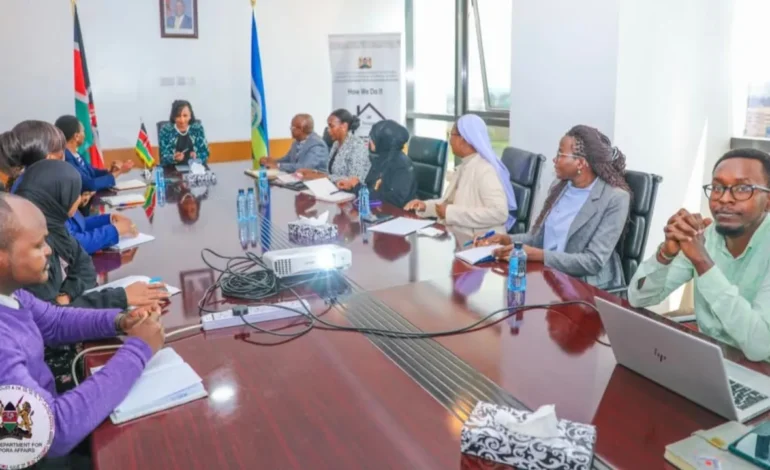

Human trafficking continues to expand across borders and communities as criminal networks increasingly use digital platforms to recruit victims. Religious sisters in Kenya are working on the front lines to confront this evolving challenge through Talitha Kum Kenya, a Catholic initiative connected to an international network dedicated to combating trafficking. Operating within communities and online spaces, the network aims to raise awareness and provide assistance to victims while addressing the growing role of technology in facilitating exploitation. The initiative reflects the Church’s broader concern for protecting human dignity and responding to social injustices that affect vulnerable populations across the world.
Talitha Kum Kenya was formed in response to a call by Pope Francis to intensify global action against human trafficking. The initiative formally began its work in 2016 and expanded in recent years with support from international partners. Based within a global Catholic network headquartered in Rome, the Kenyan branch coordinates efforts among religious communities, lay volunteers and young people to monitor and respond to trafficking activities. Their work spans villages, border areas and urban neighborhoods where traffickers often target individuals searching for employment or opportunities abroad. By combining grassroots presence with international coordination, the network aims to strengthen the capacity of communities to recognize and prevent exploitation.
The growing role of digital technology has transformed the methods used by traffickers. Criminal networks increasingly rely on online advertisements, fake job offers and misleading visa opportunities to lure victims. According to those working in prevention programs, many individuals only realize they have been trafficked after they have already been transported or forced into exploitative situations. Religious sisters involved in the network emphasize that trafficking is not limited to one region or continent but is a global crisis affecting people of different ages and backgrounds. As digital communication expands, traffickers have adapted quickly, making online awareness and digital literacy an essential part of prevention.
Education and community outreach remain central to the strategy adopted by Talitha Kum Kenya. The sisters and their partners organize workshops, parish programs and public forums to teach communities how trafficking operates and how potential victims can recognize warning signs. The initiative also works closely with law enforcement and government institutions responsible for addressing trafficking. Police officers, border officials and other authorities receive training to identify suspicious situations and respond effectively. Particular attention is given to border regions where trafficking routes often pass between neighboring countries, including Somalia, Ethiopia, South Sudan, Uganda and Tanzania.
Beyond prevention, the network focuses heavily on assisting survivors who have escaped or been rescued from trafficking situations. Victims are often referred through government agencies, partner organizations or emergency hotlines. Once they return to safety they are welcomed into shelters where they receive psychological support, medical care and practical assistance for rebuilding their lives. Programs designed to help survivors regain independence include vocational training and small business opportunities that allow them to secure stable livelihoods. Those involved in the initiative emphasize that rescue alone is not enough and that long term reintegration is essential for restoring dignity and stability.
Religious sisters play a central role in carrying out these efforts across Kenya. Many work directly within local communities, identifying cases of trafficking, accompanying survivors and providing counseling. Their work is particularly visible in coastal regions where trafficking and gender based violence remain significant concerns. Through partnerships with local authorities, embassies and humanitarian organizations, they have helped secure the release of individuals trapped in exploitative situations. These collaborative efforts demonstrate how networks of faith based organizations and civil institutions can work together to respond to complex humanitarian challenges.
Despite the progress made by anti trafficking initiatives, those working on the ground acknowledge that the challenges remain significant. Trafficking networks continue to evolve by using digital tools and cybercrime tactics to expand their reach. Recruitment schemes have increasingly targeted educated young people and technology professionals through fraudulent job opportunities abroad. Organizations working to combat trafficking often face limited funding and security risks while attempting to assist survivors whose needs can be extensive and long lasting. The persistence of the problem highlights the need for coordinated action across sectors.
Advocates involved in the global Talitha Kum network say that human trafficking thrives when communities remain unaware of how the crime operates. By strengthening partnerships between religious organizations, civil authorities, schools and social institutions, they hope to reduce the vulnerability that traffickers exploit. Their work reflects a growing recognition that addressing human trafficking requires a global response capable of matching the speed and reach of modern digital communication.