


Catholic leaders in Bangladesh have welcomed the country’s recent parliamentary elections, describing the largely peaceful vote as a hopeful step toward stability and reconciliation in a nation navigating political transition.
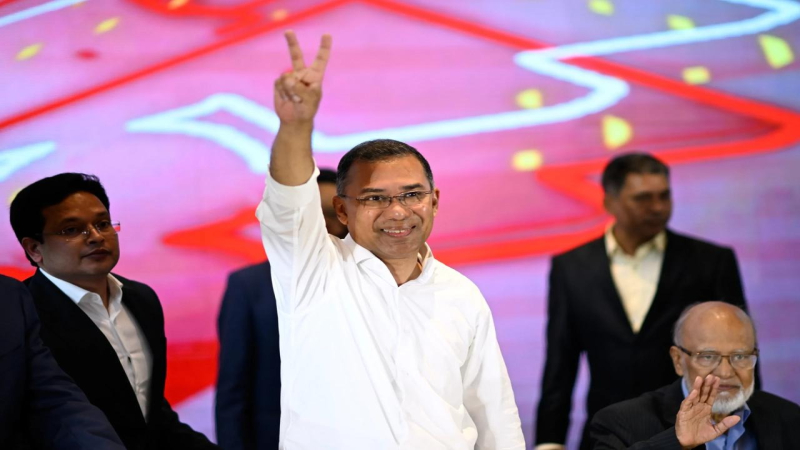
The election, held on February 12, resulted in a majority victory for the Bangladesh Nationalist Party led by Tarique Rahman. The vote marked the first national election since the departure of former Prime Minister Sheikh Hasina in 2024 following a student led uprising. In the interim period, Nobel Peace Prize laureate Muhammad Yunus oversaw a transitional administration.
Bangladesh, a country of approximately 170 million people, is overwhelmingly Muslim, with Christians representing less than one percent of the population and Hindus around eight percent. Despite their small numbers, Catholic leaders voiced strong support for a democratic process carried out without widespread violence.
Cardinal Patrick D’Rozario, Archbishop Emeritus of Dhaka, congratulated the electorate and political parties for conducting what he described as a peaceful election. He extended congratulations to the Bangladesh Nationalist Party for securing the necessary majority to form a government and acknowledged members of other parties and independents who were elected to Parliament.
The Cardinal expressed hope that the new administration would promote justice, equity, peace, and reconciliation. He emphasized the importance of democratic governance that fosters harmony and works toward the common good. For Bangladesh’s Catholic minority, the election represents not only a political milestone but also an opportunity for renewed commitment to social cohesion.
Tarique Rahman, speaking to reporters after the results were confirmed, pledged to strengthen democratic institutions and address pressing challenges facing the country. He acknowledged that the new government inherits a fragile economy and weakened constitutional structures. Among his stated priorities are improving law and order and restoring confidence in public institutions.
Rahman also called for unity, urging citizens to work together to prevent a return to authoritarianism. The Bangladesh Nationalist Party has long been one of the country’s principal political forces alongside the Awami League, which governed for 15 years before being removed from power amid widespread protests. The recent election unfolds against a backdrop of political polarization and economic uncertainty. Observers note that maintaining public trust in institutions and safeguarding minority rights will be essential in the coming months.
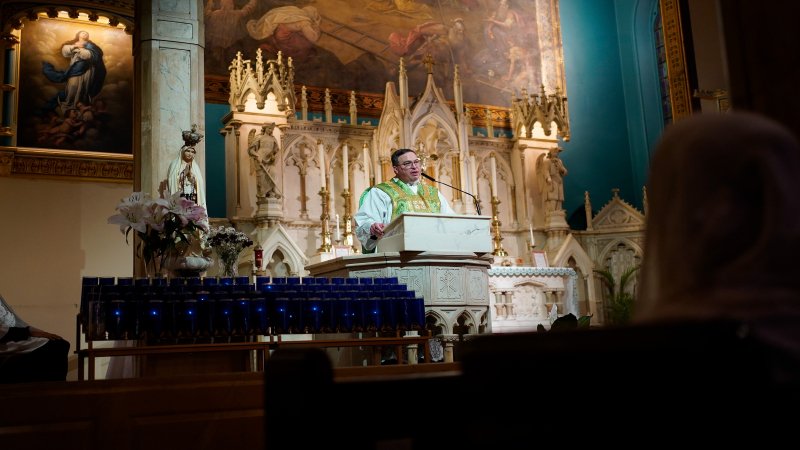
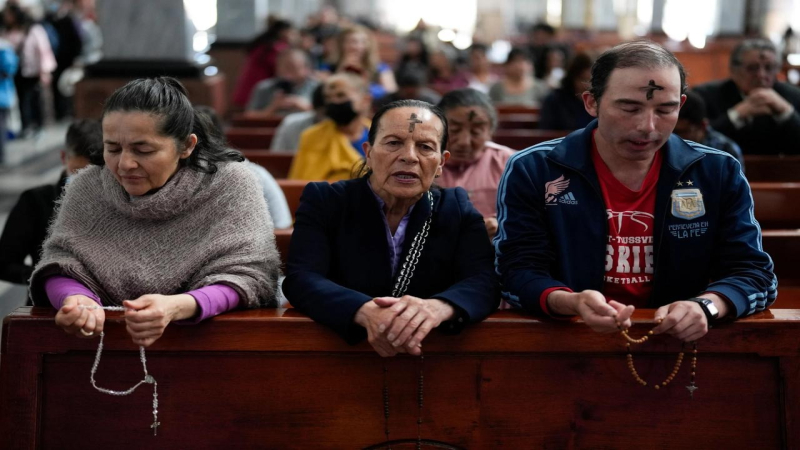
For the Catholic community, prayer and dialogue remain central responses to the evolving situation. Church leaders have called for a peaceful and progressive mindset in public life, encouraging leaders to pursue policies that strengthen social harmony and respect for all citizens regardless of religious affiliation. As Bangladesh begins a new parliamentary term, religious communities continue to emphasize reconciliation and inclusive governance as key foundations for national stability.