



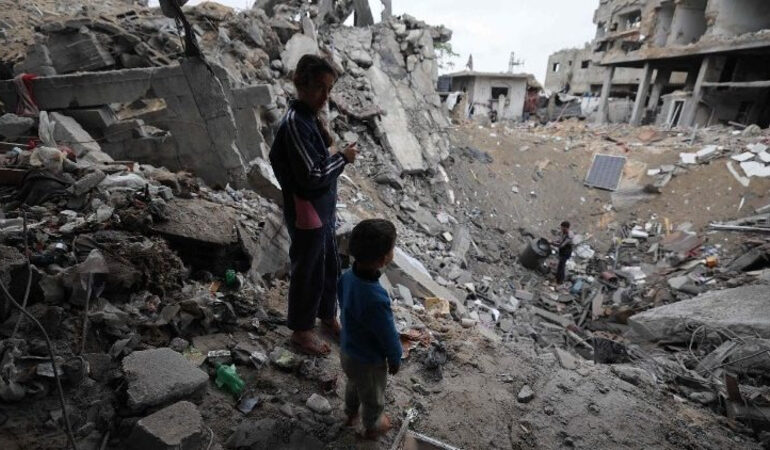

Despite a ceasefire agreed in early October, the humanitarian situation in the Gaza Strip continues to exact a devastating toll on children. New assessments indicate that at least one hundred children have been killed since active hostilities formally slowed, underscoring how reduced bombardment has not translated into genuine safety. The figures reveal a daily rhythm of loss that persists even in the absence of large scale fighting, with hundreds more children injured during the same period. These deaths are occurring within a broader environment of insecurity where fear, displacement, and deprivation shape everyday life. The ongoing fatalities highlight the fragile nature of ceasefire arrangements when underlying conditions remain unchanged, and they raise serious concerns about the protection of civilians, particularly minors, in a territory where borders, airspace, and essential supplies remain tightly controlled.
According to assessments shared by UNICEF, the documented deaths include both boys and girls, with the true toll likely higher due to limited access and incomplete reporting. The organization has stressed that its figures reflect only cases where sufficient verification was possible, suggesting that many incidents may go unrecorded. Alongside direct violence, children are facing compounded risks linked to shortages of basic necessities. Restrictions on the entry of fuel, medical equipment, cooking gas, and materials needed for water and sanitation systems continue to undermine living conditions. In this context, injury and illness become more lethal, as health facilities struggle to function and families lack the means to keep children warm, nourished, and treated during periods of illness or trauma.
Humanitarian agencies warn that the ceasefire has created an opportunity that remains largely unrealized. While some progress has been made, including expanded vaccination coverage and limited restoration of sanitation services, these measures fall far short of addressing the scale of need. Aid workers emphasize that reduced violence must be accompanied by unrestricted humanitarian access if civilian lives are to be protected. Without a significant increase in medical evacuations and the steady flow of supplies, temporary calm risks becoming a pause rather than a turning point. For many families, daily survival remains uncertain, shaped by damaged infrastructure, overcrowded shelters, and exposure to harsh winter conditions that disproportionately affect children already weakened by months of deprivation.
Efforts to mitigate suffering have included the distribution of winter clothing, thermal blankets, and support for repairing damaged water networks. Additional nutrition centers have been established to prevent widespread hunger, reflecting an attempt to stabilize the most acute threats to child health. Yet humanitarian workers consistently stress that these gains are modest when set against prolonged trauma and loss. Children continue to live with psychological distress that remains largely untreated, carrying memories of violence into an uncertain future. The situation illustrates a central moral challenge facing the international community: a ceasefire that slows killing represents progress, but without structural change and sustained protection, it does not end the daily erosion of childhood in Gaza.