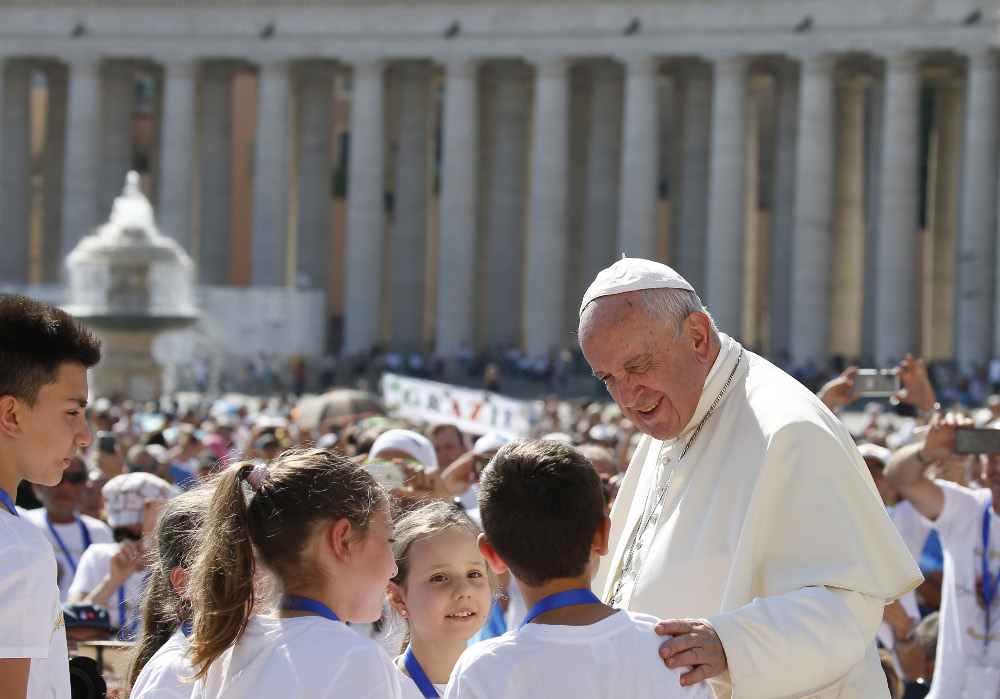
Church Advocates Push for Stronger Ecological Protections Ahead of 2026 Climate Summit
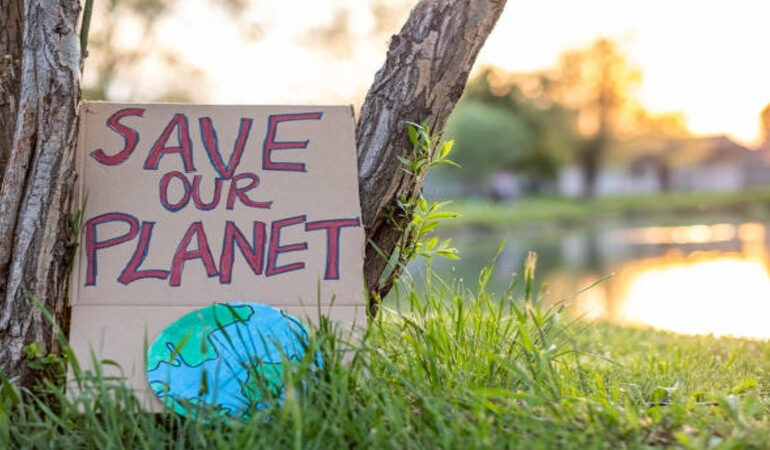

Catholic ecological advocates are intensifying their calls for stronger environmental protections as preparations begin for the 2026 global climate summit. Many Church leaders, environmental networks, and Catholic social justice organizations emphasize that the coming years will be critical for addressing ecological degradation, biodiversity loss, and the disproportionate impact of climate change on vulnerable populations. Their appeals reflect the growing conviction that safeguarding creation is not only a scientific or political challenge but a moral responsibility rooted in Catholic teaching.
Across various regions, Catholic environmental groups are urging governments to adopt more ambitious climate policies and commit to sustainable development strategies that prioritize long-term stewardship. These efforts build on years of advocacy inspired by papal teaching and the growing awareness that ecological harm undermines human dignity and the common good.
The Moral Imperative for Ecological Action
The most important theme driving current advocacy is the moral imperative to protect creation. Church leaders argue that environmental stewardship is inseparable from the defense of human life, particularly in communities facing severe ecological disruption. Rising temperatures, extreme weather events, water scarcity, and degraded ecosystems disproportionately affect those with limited resources, making environmental justice a central concern.
Catholic advocates highlight that caring for creation requires both personal responsibility and structural change. Individual lifestyle choices matter, but long-term solutions depend on public policies that reduce emissions, protect natural habitats, and support renewable energy development. The Church’s message emphasizes that ecological action is essential to promoting solidarity with future generations and protecting the integrity of the planet.
Calls for Clearer Policy Commitments from Governments
As the 2026 climate summit approaches, Catholic organizations are calling for governments to articulate clearer and more ambitious climate commitments. These commitments include strengthened emissions targets, investment in sustainable technologies, and policies that support communities adapting to climate impacts. Advocates stress that delaying action will increase environmental and social costs, making recovery more difficult over time.
Many Catholic environmental groups participate in policy discussions at national and international levels. They advocate for frameworks that balance economic development with ecological responsibility and that ensure vulnerable communities receive the support they need to adapt. Their work underscores the importance of integrating scientific research with ethical reflection when shaping climate strategies.
Emphasis on Community Outreach and Education
Beyond policy advocacy, Catholic organizations are expanding community outreach and education efforts aimed at promoting ecological awareness. Parish programs, schools, and diocesan initiatives are offering workshops and resources that help individuals understand the practical implications of environmental stewardship. These programs often encourage actions such as reducing energy consumption, managing waste responsibly, and supporting local conservation efforts.
Educational initiatives also highlight the spiritual dimension of ecological care. Through reflection, prayer, and study of Catholic teaching, communities are encouraged to recognize creation as a gift that requires gratitude and responsible use. Many groups report increased interest from young people who see environmental protection as an essential expression of their faith and global citizenship.
Supporting Vulnerable Communities Affected by Climate Change
Another central aspect of Catholic advocacy involves supporting communities most affected by environmental change. Regions facing recurring floods, droughts, or rising sea levels often rely on the Church for humanitarian assistance and long-term support. Catholic organizations emphasize that climate policies must address the needs of these communities, providing resources for adaptation, rebuilding, and sustainable development.
Advocates also highlight the importance of listening to local experiences when shaping environmental solutions. Indigenous communities, agricultural workers, and coastal populations possess valuable knowledge of their ecosystems. Incorporating their insights fosters more effective and culturally sensitive responses to ecological challenges.
Conclusion
As preparations continue for the 2026 climate summit, Catholic advocates are calling for stronger ecological protections grounded in moral responsibility and global solidarity. By encouraging ambitious policies, expanding community education, and supporting vulnerable populations, Church leaders and environmental organizations aim to guide public attention toward sustainable solutions. Their efforts reflect a commitment to protecting creation and promoting the well-being of current and future generations.