Church Assets and Global Markets Examined in New Report

A newly released report has provided detailed insight into how Church assets interact with global financial markets. As the Vatican continues to expand its understanding of international economic dynamics, analysts are increasingly interested in how religious institutions manage their resources within a constantly shifting global economy. The report highlights how Church assets, ranging from real estate holdings to diversified financial portfolios, are influenced by geopolitical trends, regulatory changes, and evolving market expectations. These findings offer a clearer picture of how global finance shapes the stability and strategic decisions of Vatican related institutions.
This study arrives at a time when transparency and responsible stewardship are essential components of financial governance. With markets becoming more interconnected, Church administrators must monitor global developments that influence long term financial planning. The report emphasizes that understanding market conditions is more than a technical requirement. It is an important part of safeguarding resources used to support mission work, humanitarian programs, and the operational needs of the Church worldwide.
Market Forces Shaping the Value of Church Assets
The report identifies several market forces that affect Church asset management. Currency fluctuations, interest rate changes, and international economic policies all play significant roles in shaping portfolio performance. These variables require administrators to update strategies regularly to ensure that investments remain stable during periods of uncertainty. Analysts note that the Vatican’s approach increasingly mirrors practices used by other global institutions that rely on diversified holdings to protect financial sustainability.
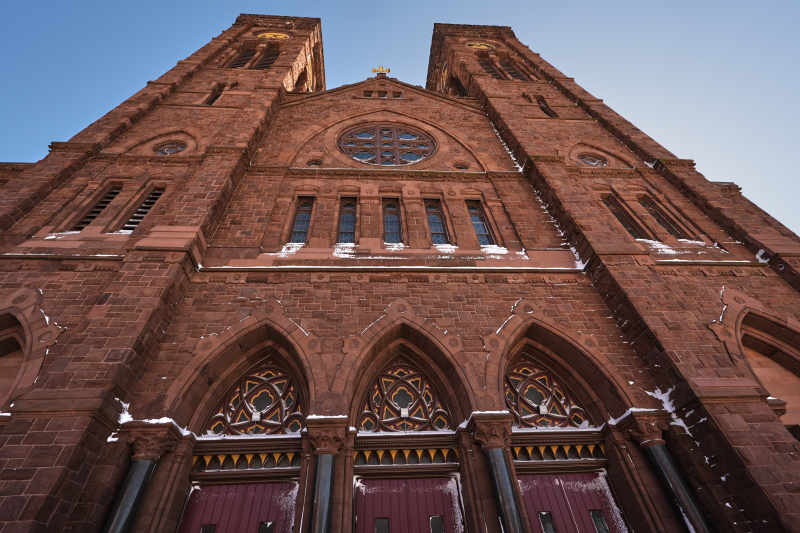
Real estate, historically one of the Church’s most significant asset classes, is also influenced by global trends. Shifts in urban development, demographic patterns, and economic policy can impact the long term value of these properties. The report highlights that many Church buildings serve both spiritual and administrative purposes, making responsible planning essential for maintaining these assets while supporting community needs.
Diversification as a Protective Strategy
Diversification has become an important method for managing Church assets in modern markets. The report explains that diversified portfolios provide greater protection against volatility by spreading risk across various sectors. This strategy helps ensure financial resilience even when certain markets face downturns. Analysts emphasize that diversification aligns with the Church’s long standing commitment to careful stewardship and risk conscious planning.
Church institutions now examine investment opportunities through a wider lens, including emerging markets, sustainable finance, and socially responsible sectors. This approach allows administrators to pursue stable growth while maintaining a strong ethical foundation. By balancing opportunity with responsibility, the Church aims to preserve resources for future generations.
The Role of Global Regulations and Policy Shifts
International financial regulations have a direct influence on how Church institutions manage assets. The report highlights that updated compliance rules, tax policies, and reporting requirements shape investment strategies and administrative planning. As regulations evolve, the Vatican must adjust its operations to align with these standards. This process ensures that Church institutions remain integrated into global financial systems and maintain credibility with international partners.
Policy shifts related to climate change, corporate governance, and economic development also affect the performance of Church assets. By monitoring these trends, administrators can anticipate how markets may react and plan accordingly. This awareness is crucial for maintaining long term stability and avoiding unexpected disruptions.
Geopolitical Trends and Their Financial Impact
Geopolitical developments represent another key area influencing Church assets. Economic sanctions, regional conflicts, and international trade patterns affect global market stability. The report notes that religious institutions must remain prepared for sudden changes that can influence currency values, investment performance, and overall market confidence. Church administrators use risk assessment models to evaluate potential outcomes and make informed decisions that align with ethical priorities.
The Vatican’s global presence also means that geopolitical events can affect humanitarian missions and educational programs supported by Church resources. Understanding these connections helps create strategies that protect financial assets while maintaining support for communities affected by global crises.
Conclusion
The new report examining Church assets and global markets highlights the importance of responsible financial planning in an interconnected world. By focusing on diversification, regulatory awareness, and geopolitical analysis, the Vatican strengthens its ability to manage resources ethically and sustainably. These efforts ensure that Church assets continue to support mission work and contribute to long term institutional stability.