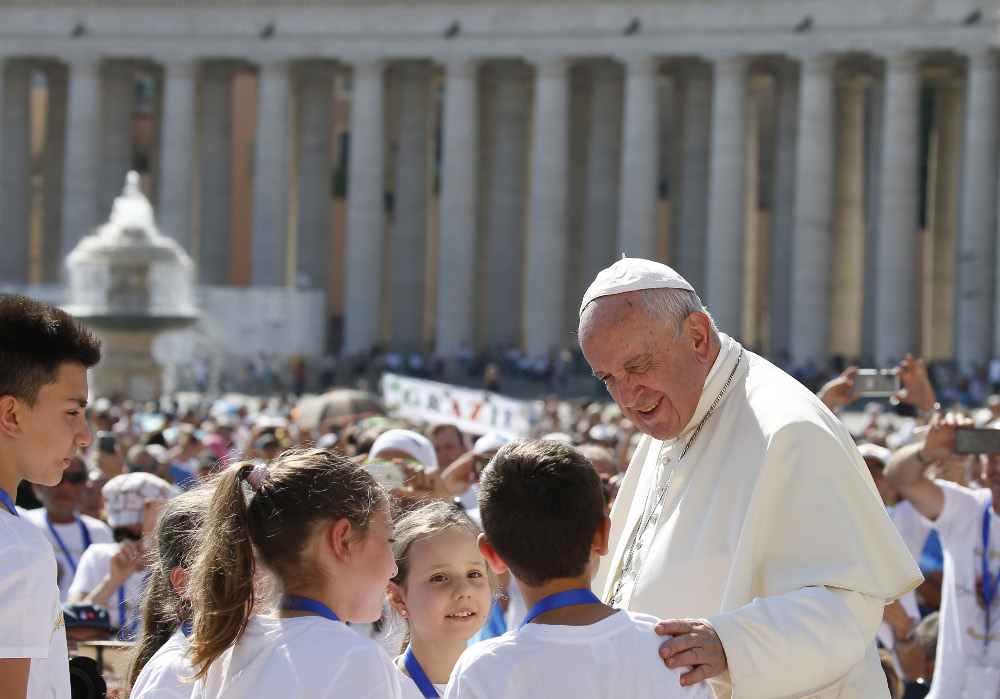
Church Governance Reforms 2025


The Catholic Church is undertaking significant governance reforms aimed at strengthening transparency responsibility and trust across its global institutions. Church Governance Reforms 2025 reflect a renewed commitment to ensure that decision making structures align with the values of justice accountability and pastoral care. These reforms build on the work initiated during the pontificate of Pope Francis who has emphasized the need for clear processes financial integrity and shared responsibility. The goal is not only administrative efficiency but also moral credibility rooted in the mission of the Church.
Strengthening Structures for Oversight
One of the major components of the reforms is the enhancement of oversight mechanisms within Church administration. New guidelines emphasize independent auditing clear documentation and consistent financial reporting for dioceses and institutions. Bishops are encouraged to promote greater participation of lay experts in financial councils and governance boards. The reforms also call for improved training for clergy in administration and leadership. This integrated approach ensures that both spiritual and administrative responsibilities are carried out with competence and integrity.
Synodal Participation and Shared Decision Making
Synodality remains at the heart of Church Governance Reforms 2025. The Church encourages collaborative discernment where clergy religious and laypeople contribute to key decisions. This model fosters a culture of listening dialogue and pastoral sensitivity. Parishes and dioceses are establishing consultation processes that allow ordinary Catholics to share concerns and offer recommendations. Synodal participation is intended to strengthen unity while acknowledging the diverse experiences of local communities. It also reinforces the belief that the Holy Spirit works through all members of the Church.
Financial Ethics and Responsible Stewardship
Financial stewardship is a major focus of the reforms. Clear procedures now guide how Church funds are collected spent and reported. Investment strategies must reflect Catholic moral teaching avoiding industries that violate human dignity or environmental care. Institutions are required to publish financial statements and ensure transparency in fundraising. These measures aim to restore public confidence and demonstrate the Church’s commitment to responsible management of resources entrusted by the faithful. Financial integrity becomes a direct expression of the Church’s moral mission.
Safeguarding and Protection of the Vulnerable
The reforms strengthen safeguarding norms to protect children and vulnerable adults. Dioceses must implement rigorous screening training and reporting systems. Independent review boards monitor allegations to ensure accountability. These measures reflect the Church’s resolve to confront past failures and prevent future harm. The protection of the vulnerable is presented not only as a legal obligation but as a fundamental expression of Christian compassion and justice. The reforms emphasize that every person must feel safe welcomed and respected in Church environments.
Clarity in Administrative Roles and Responsibilities
Church Governance Reforms 2025 introduce clearer definitions of responsibilities for bishops diocesan staff and parish leaders. Updated guidelines outline expected conduct decision making boundaries and communication duties. This clarity helps prevent administrative confusion and ensures that leadership roles operate smoothly. Bishops are encouraged to foster transparent communication within their dioceses to strengthen unity and reduce misunderstandings. Effective governance relies on leaders who understand both their canonical responsibilities and pastoral mission.
Digital Transformation for Better Governance
Digital tools are increasingly part of the Vatican’s reform agenda. Dioceses are adopting secure digital platforms for documentation financial reporting and communication. Online training modules help clergy and lay leaders understand governance norms and ethical standards. Digital archives ensure consistent record keeping while protecting sensitive information. These technologies increase efficiency and reduce administrative errors. They also enhance accessibility allowing parishes in remote regions to participate in training and governance processes more effectively.
Renewing Trust Through Responsible Leadership
Church Governance Reforms 2025 aim to renew trust between Church leaders and the faithful. By strengthening oversight promoting synodality ensuring financial integrity and prioritizing safeguarding the Church demonstrates its commitment to moral leadership. These reforms reflect the belief that governance is not merely an administrative duty but a form of service rooted in the Gospel. Responsible leadership helps the Church respond more effectively to contemporary challenges while remaining faithful to its mission of proclaiming hope mercy and justice to the world.