
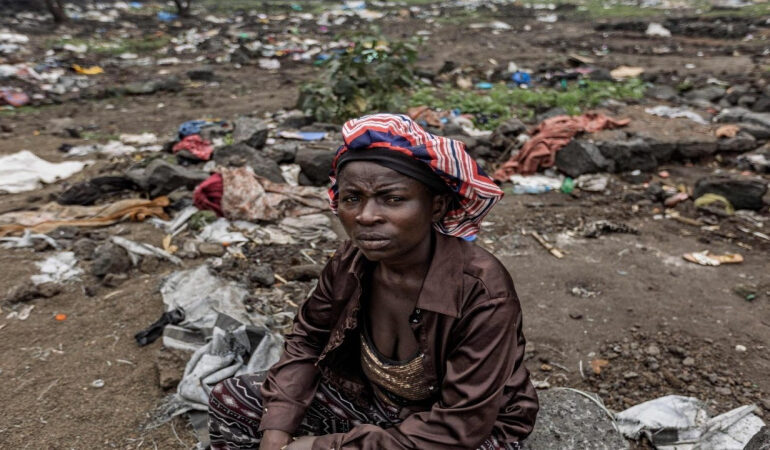

The violent raid on a Church run medical facility in the North Kivu village of Byambwe has renewed urgent concerns about civilian protection in eastern DR Congo, where conflict continues despite recent diplomatic attempts to stabilize the region. Local Church leaders reported that militants entered the area at night and targeted a health center operated by the Little Sisters of the Presentation, leaving numerous civilians dead and injuring or displacing many others. Witnesses described a scene of fear as the attackers overran the compound and caused extensive destruction to the facility and surrounding homes before escaping into the nearby forest. The region has endured repeated assaults linked to armed groups despite ongoing international mediation, leading to growing alarm among religious communities who continue to serve vulnerable populations. The latest attack has also prompted renewed calls for a stronger security presence and for the protection of hospitals that provide essential care to isolated villages.
Missionaries familiar with the region expressed deep concern about the ongoing instability, noting that patterns of violence have persisted for years with little meaningful intervention from the global community. Clergy working in the area emphasized that the hospital targeted in Byambwe plays a critical role in providing maternity services, basic medical care and emergency assistance in a territory marked by limited infrastructure and prolonged conflict. Many residents fled in the aftermath of the attack, leaving the sisters working in makeshift conditions to support survivors and assist families searching for loved ones. Church representatives underscored that assaults on health facilities undermine humanitarian efforts and further isolate communities already struggling with displacement, limited access to healthcare and unpredictable outbreaks of violence. They appealed for international actors to take the situation in North Kivu more seriously and to support efforts aimed at strengthening protection for civilians.
Local voices have also questioned the broader geopolitical dynamics that allow violence in resource rich regions like Kivu to persist with minimal international pressure for resolution. Missionaries working closely with local populations argued that mineral wealth and competing economic interests contribute to a concerning lack of accountability regarding armed group activity. They stressed that recurring attacks not only destabilize communities but also fuel cycles of fear, displacement and long term social disruption. Religious leaders have urged governments and global organizations to address the root causes of regional insecurity, promote transparent partnerships and ensure that humanitarian corridors remain open. They noted that sustained inaction risks normalizing repeated assaults on civilians and Church run institutions that remain among the few reliable providers of education, healthcare and pastoral care in remote areas. Calls for stronger international engagement continue to rise as communities look for reassurance and concrete steps toward greater safety.