
Church in Cuba Offers Comfort as Citizens Seek a Dignified Future
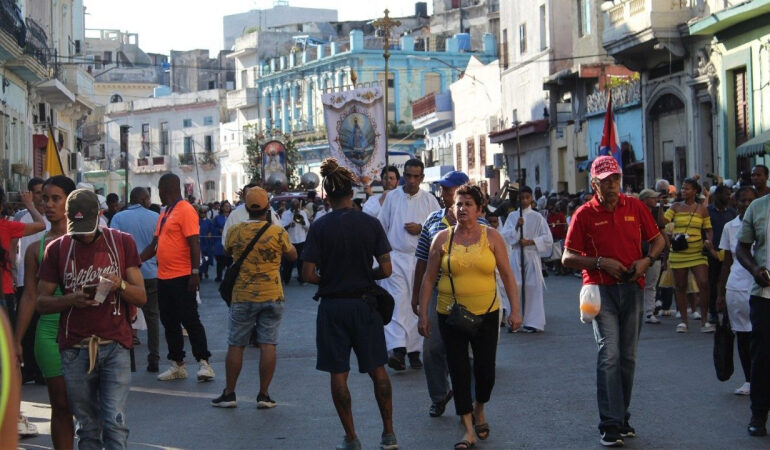

As Cuba faces a deepening energy and economic crisis, the Catholic Church is emerging as a visible presence of comfort and solidarity for communities struggling with daily hardship. Church leaders describe the situation as frankly difficult, marked by fuel shortages, rising prices, and limited access to essential services, yet they insist that pastoral work continues with determination and hope.
Across Havana and other parts of the country, public transportation has declined sharply due to fuel constraints. After sunset, many neighborhoods grow quiet as electricity outages and reduced mobility reshape daily life. Garbage collection has been disrupted in some areas, and food prices have continued to climb. Access to medicines is limited, and medical services have been reduced, with surgeries often reserved for life threatening cases.
Water distribution has also become more complicated in communities that rely on tanker trucks, which cannot operate consistently without fuel. Schools and workplaces have shortened hours, while sectors dependent on tourism face uncertainty. For many Cubans, the sense of fatigue is compounded by decades of economic strain and the longing for stability and dignity within their own homeland.
In this context, Catholic parishes have intensified charitable initiatives. Clergy and volunteers are organizing soup kitchens, delivering meals to elderly residents, and distributing food to people living on the streets. In some parishes, weekly lunches serve more than one hundred elderly individuals, while volunteers bring basic supplies to homeless citizens. Religious sisters and brothers who manage homes for the elderly and people with mental illness continue their work despite staffing shortages and transport difficulties.
Church leaders emphasize that these efforts are not isolated acts but part of a broader pastoral mission rooted in Christian hope. Even amid fuel shortages that limit travel to rural communities, priests and catechists continue to celebrate the sacraments, teach catechism, and visit the sick and imprisoned whenever possible. Lent has brought retreats, penitential services, and prayer gatherings, although some activities have had to be adapted due to logistical constraints.
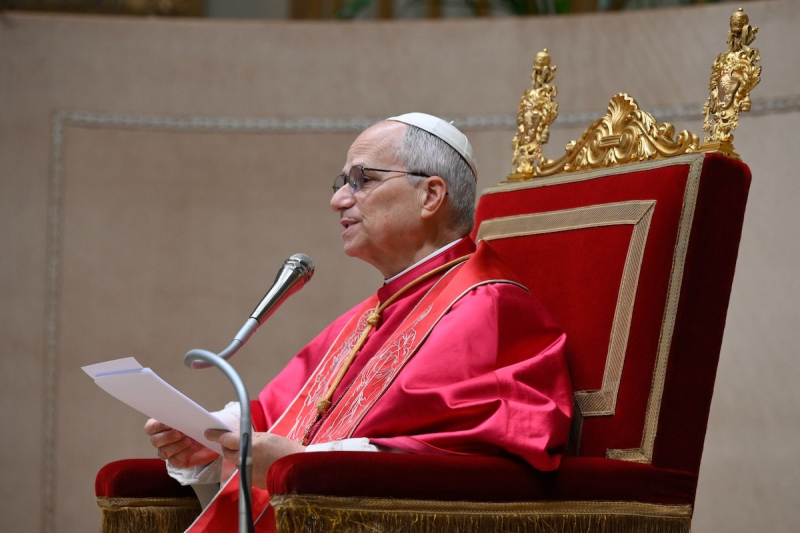
The Cuban bishops recently warned of the risk of social tension if current hardships persist. They have called for dialogue and responsible action to prevent violence and further suffering. Pope Leo XIV expressed concern during a recent Angelus address, encouraging serious and effective dialogue to alleviate the suffering of the Cuban people. His message was received locally as a sign of communion and support.
Despite widespread challenges, many Cubans continue to offer quiet acts of generosity and fraternity. Church leaders say the present moment calls not for resentment but for perseverance in love. As Easter approaches, they invite the faithful to look to Christ’s Passion and Resurrection as a source of meaning, trusting that hope can endure even in the most fragile circumstances.