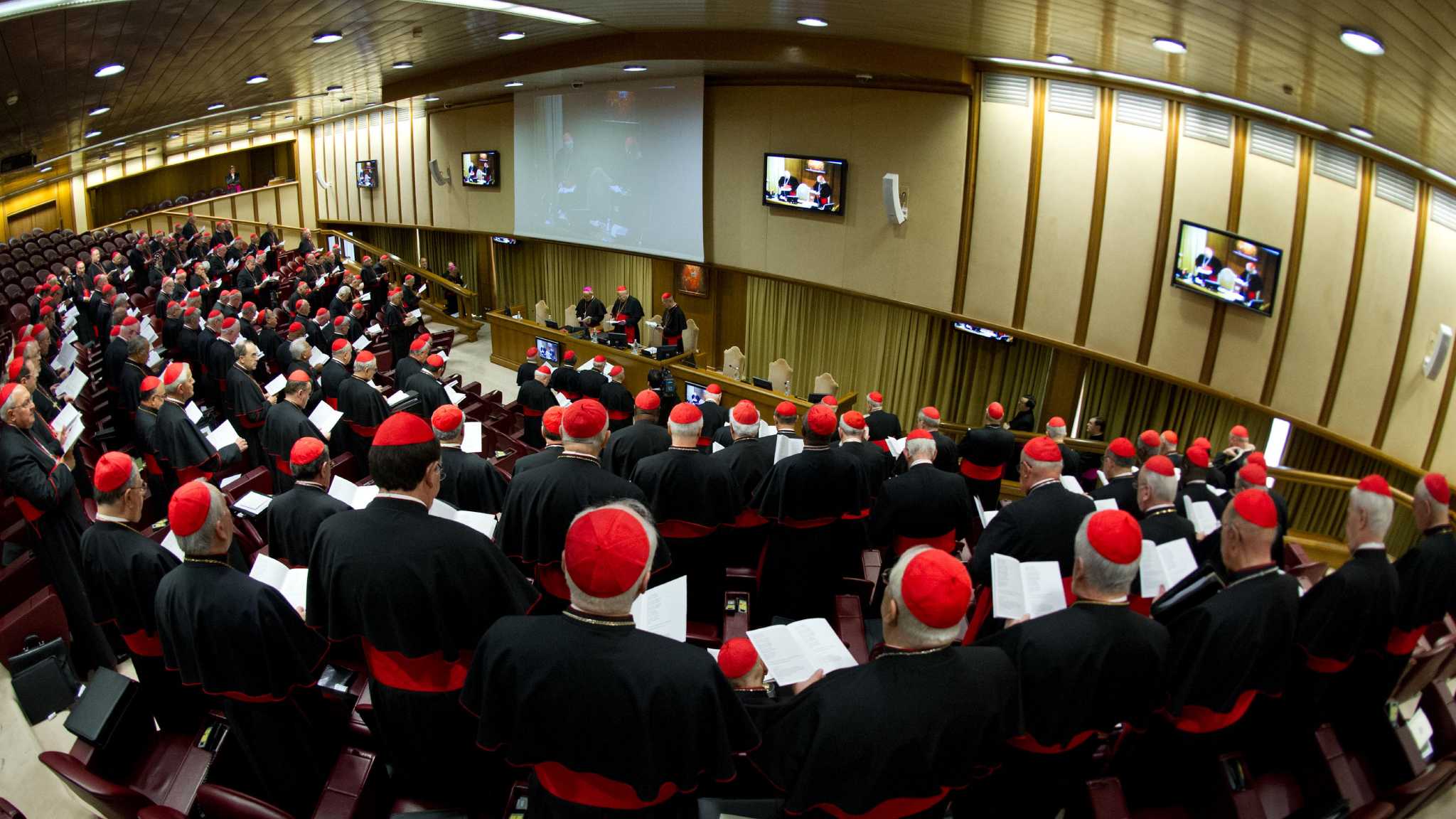
Church State Spotlight: Italian Court Ruling Reopens Debate on Religious Autonomy
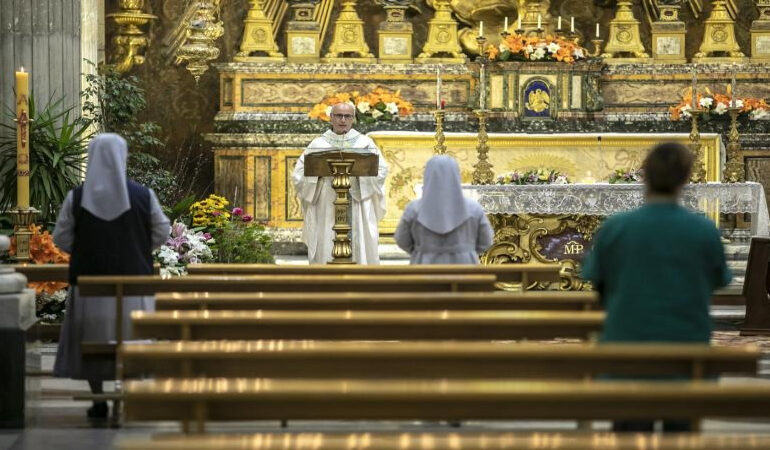

A recent Italian court ruling has revived national discussion about the boundaries of religious autonomy and the role of the state in overseeing church-related activities. The case, which involved questions about administrative jurisdiction, has prompted legal experts, Church leaders, and policymakers to reflect on how civil authority and religious institutions interact within Italy’s constitutional framework. While the ruling does not alter existing agreements between the Holy See and the Italian government, it highlights the evolving landscape of legal interpretation in matters involving faith communities.
The debate underscores the delicate balance between respecting religious independence and ensuring compliance with civil norms. Italy’s legal system recognizes the unique status of the Catholic Church through longstanding agreements, yet judicial decisions occasionally raise questions about where civil oversight should begin and end. The renewed discussion offers an opportunity to examine how Church and state can maintain cooperation while protecting their respective responsibilities.
Understanding the Implications of the Court’s Decision
The ruling at the center of the debate concerns procedural authority and whether certain religious institutions fall under specific civil regulations. Legal observers note that the decision does not directly challenge the existing Concordat, which governs relations between Italy and the Holy See, but it does introduce new considerations for how courts interpret religious autonomy. The case has sparked interest because it touches on broader questions of legal competence and the extent to which civil courts can evaluate internal matters related to religious entities.
For Church representatives, the concern lies in preserving the ability to manage internal affairs without undue external pressure. Religious autonomy is an essential principle within Italian and international law, serving to protect the spiritual and organizational life of faith communities. The Vatican has traditionally emphasized that cooperation with legal authorities should respect the distinct identity and mission of the Church.
Civil authorities, meanwhile, maintain that judicial review is necessary in specific circumstances to ensure fairness and compliance with national regulations. Balancing these principles requires careful legal interpretation, and the recent ruling has led scholars to revisit precedents that guide this balance. While the immediate effects of the decision may be limited, its broader significance lies in shaping future conversations about the interaction between ecclesial and civil jurisdictions.
Revisiting the Concordat and Constitutional Framework
The renewed debate has encouraged a deeper look at the Concordat, which outlines the relationship between the Holy See and the Italian state. The agreement grants the Church considerable autonomy in matters of governance, education, and religious practice, while also affirming the state’s role in ensuring the rights of all citizens. When judicial rulings touch on areas of potential overlap, questions often arise regarding how the Concordat should be interpreted in the modern legal environment.
Italian constitutional law also plays a central role in these discussions. The constitution protects religious freedom and prohibits discrimination based on belief, but it also mandates adherence to civil law. Courts must therefore navigate a complex intersection of constitutional rights, international agreements, and long-standing traditions. The latest ruling has prompted legal scholars to consider how these elements interact and whether updated guidelines may eventually be needed.
Perspectives From Church and Civil Leaders
Church leaders have responded cautiously, noting the importance of dialogue and mutual respect between institutions. They emphasize that safeguarding religious autonomy does not conflict with cooperation on legal or social matters. Many bishops have expressed hope that the ruling will encourage continued clarity in defining boundaries rather than generating unnecessary tension.
Civil leaders, including legal experts and policymakers, have welcomed the opportunity to reflect on the issue. Some see the ruling as a chance to reaffirm the principles that guide Italy’s pluralistic society. Others argue that clearer legislation could help prevent future misunderstandings between civil authorities and religious organizations. The shared goal across both perspectives is maintaining harmony within Italy’s institutional framework.
Broader European Context
The issues raised by the ruling resonate beyond Italy. Many European countries navigate similar questions regarding the relationship between civil authority and religious institutions. Discussions about autonomy, regulation, and cooperation are part of a wider continental conversation. The Italian case is therefore observed closely by legal scholars throughout Europe, who consider it a valuable example of how courts manage the intersection of faith and law.
European legal systems differ in structure, but they commonly emphasize respect for religious freedom while maintaining accountability in matters that involve public interest. The Italian ruling contributes to this broader context by highlighting both the complexity and the importance of maintaining a balanced approach.
Conclusion
The recent Italian court ruling has reopened important discussions about religious autonomy and civil authority. While the decision does not alter the fundamental relationship between the Church and the state, it encourages deeper reflection on how legal and ecclesial frameworks interact. Through careful interpretation, open dialogue, and mutual respect, Italy continues to navigate the balance between protecting religious freedom and upholding its constitutional responsibilities.