

Churches in Springfield Prepare as Haitian Community Faces Deportation Fears
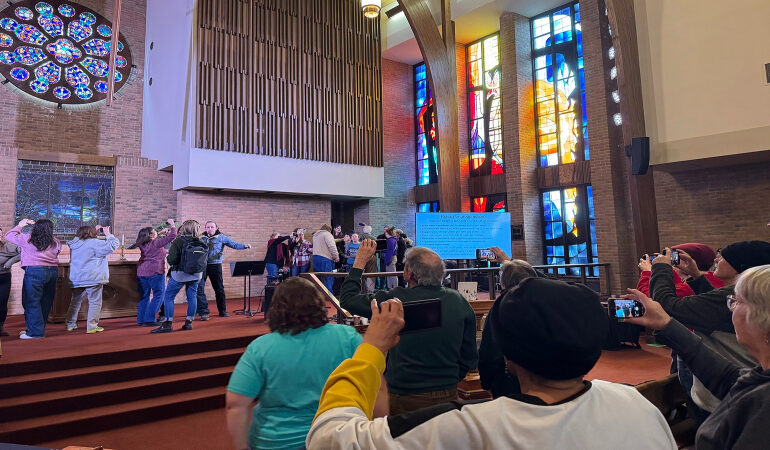

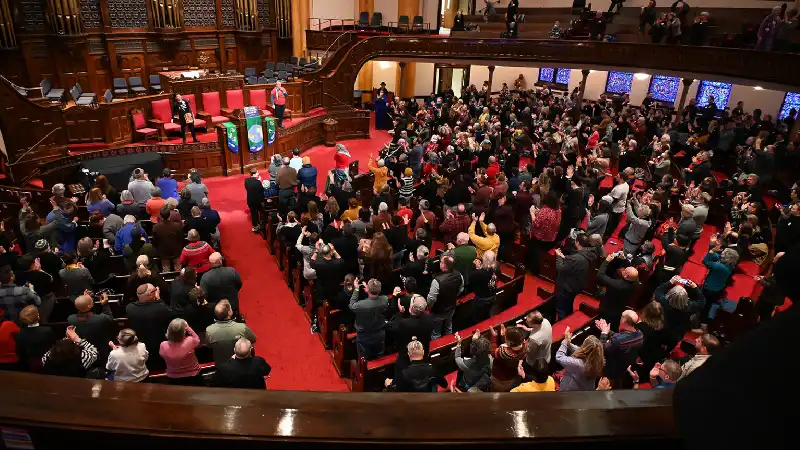
Faith communities in Springfield, Ohio, are mobilizing as thousands of Haitian residents brace for possible deportations linked to the expected end of temporary protected status. With federal enforcement anticipated in early February, churches across denominations have begun organizing training sessions to prepare congregants for encounters with immigration agents and to support families fearful of leaving their homes. Nearly two hundred people gathered at a local church for a rapid response exercise that included role playing scenarios involving immigration officers, legal rights education, and nonviolent resistance rooted in faith. Organizers say the effort reflects both moral conviction and practical necessity, as an estimated twelve thousand to fifteen thousand Haitians live in the city, many of whom arrived legally after fleeing instability and violence in their homeland. For local clergy, the situation is not only political but deeply spiritual, touching questions of hospitality, conscience, and the protection of human dignity.
The Haitian community has become an integral part of Springfield’s social and economic life over the past decade, helping revive a city once marked by industrial decline. Local residents and business owners say Haitian workers filled critical labor shortages and contributed to the renewal of neighborhoods, churches, and schools. Many congregations have incorporated Creole language services and welcomed Haitian members into leadership and worship roles. As enforcement fears grow, churches and charities are expanding food deliveries, legal assistance, and pastoral outreach to increasingly isolated families. Faith leaders warn that the sudden termination of legal protections risks tearing families apart, including hundreds of children born in the United States. For many ministers and volunteers, the looming uncertainty recalls darker chapters of history marked by exclusion and collective punishment, reinforcing their resolve to act in solidarity with those now living in fear.
Catholic and Protestant organizations alike are preparing to offer sanctuary, material aid, and spiritual care if enforcement intensifies. Some churches have gathered supplies and equipment in case families seek refuge within church buildings, while others have called for fasting and prayer as a response to what they describe as a crisis of conscience. Leaders stress that their actions are rooted in nonviolence and love, even as they prepare to stand between vulnerable families and detention. Community groups have also worked to secure identification documents for children to prevent them from being lost in the system if parents are detained. As Springfield awaits what comes next, local churches say they will continue to accompany the Haitian community, insisting that faith demands presence, courage, and compassion when human dignity is at risk.