

Clergy Seek Court Order for Pastoral Access to Immigrants Held in Minnesota Facility
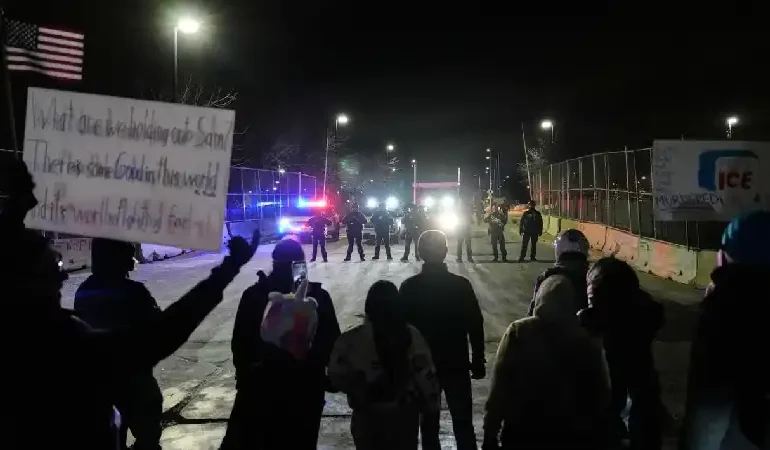

Religious leaders in Minnesota have turned to the courts in an effort to secure access to immigrants detained at a federal facility, highlighting growing tensions between faith based ministry and government enforcement policies. Protestant and Catholic clergy are requesting a federal judge to require authorities to permit in person pastoral visits at a holding site in Minneapolis. The case reflects wider concerns about the ability of religious groups to provide spiritual care during periods of detention, particularly as immigration enforcement actions have intensified and access to detainees has become more restricted in recent months.
The legal action involves several major religious organizations, including Lutheran and United Church groups alongside Catholic representatives, who argue that detainees are being denied essential spiritual support. Clergy members say they have been prevented from offering prayer, guidance, and religious rites to individuals held in the facility, even during significant religious observances. They contend that these restrictions undermine both their religious obligations and the rights of detainees, especially during times of fear and uncertainty when pastoral care is considered most important.
Government officials have responded by stating that the restrictions were tied to operational challenges during a recent surge in immigration enforcement. They argue that the facility functions primarily as a short term holding center where detainees are processed and transferred quickly, limiting the need for regular visitation. Authorities also maintain that conditions have improved and that clergy visits have recently resumed on a more flexible basis. Despite these assurances, religious leaders insist that access remains inconsistent and insufficient to meet the needs of those detained.
The case raises broader constitutional and legal questions about the balance between security measures and the protection of religious freedom. Clergy argue that denying access violates established rights, including protections under federal law that safeguard the free exercise of religion. They also point to a longstanding tradition of ministry within detention settings, emphasizing that spiritual care is not optional but an integral part of their vocation. Legal filings suggest that the dispute could set an important precedent for how religious access is handled in similar facilities across the country.
The situation in Minnesota is part of a wider pattern, with similar challenges reported in other regions where faith leaders have struggled to reach detained migrants. Advocacy groups and religious organizations continue to call for clearer policies that ensure consistent access, while lawmakers and courts increasingly examine detention conditions and oversight. As the case moves forward, it reflects a broader debate about human dignity, legal rights, and the role of faith communities in providing support within systems of immigration enforcement.