
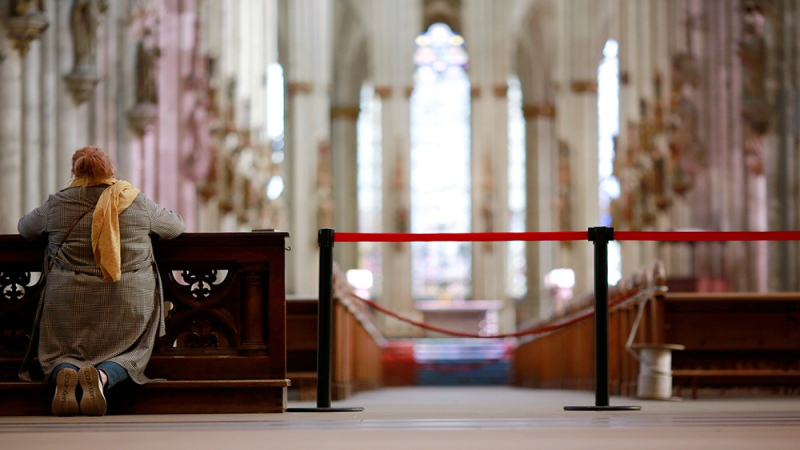





As Lent begins with Ash Wednesday, Catholic parishes across the United States are reporting renewed participation in the sacrament of confession. Priests describe longer lines and a noticeable change in tone, with many faithful approaching the sacrament less as a legal obligation and more as a personal search for grace and spiritual healing.
The sacrament of penance and reconciliation has long been a distinctive practice within Catholic life. Traditionally, penitents confess sins to a priest, express contrition, receive absolution and complete a prescribed penance. The Church teaches that Catholics conscious of grave sin should seek reconciliation before receiving Holy Communion. For decades, however, participation declined, influenced by cultural shifts, evolving moral perspectives and the fallout from clergy abuse scandals.
In recent years, clergy say the atmosphere surrounding confession has shifted. Rather than focusing primarily on fear of punishment, many penitents now emphasize their desire to grow in holiness. Priests describe the act of entering the confessional as itself a sign of faith. Showing up, they say, reflects a willingness to confront weakness and seek transformation.
Historically, confession often followed a structured format in which Catholics recited specific sins according to established categories. Over time, greater awareness of psychological and social complexity changed how many approached moral questions. While the essential elements of the sacrament remain unchanged, pastoral practice has increasingly highlighted conversation, accompaniment and reflection on God’s mercy.
Church leaders note that the Catholic Church does not maintain comprehensive statistical data on confession, making it difficult to measure precise trends. Nevertheless, many dioceses have expanded confession hours during Lent in response to growing interest. Some parishes coordinate additional evening opportunities to accommodate those returning after years away from the sacrament.
Theologically, sin is understood as a willful distancing from God. Confession, therefore, is not simply a ritual of self accusation but a means of restoring communion. Priests stress that absolution requires genuine intention to amend one’s life. At the same time, they seek to mirror the compassion of Christ in the Gospels, offering encouragement rather than condemnation.
The seal of the confessional remains absolute, protecting the confidentiality of what is shared. Within that protected space, penitents often disclose burdens they have carried silently for years. Clergy describe the experience as deeply human and spiritually significant, both for those confessing and for those listening.
Seminary formation continues to include training in moral theology and pastoral accompaniment. Future priests are encouraged to create environments of trust, honesty and respect. Many testify that administering the sacrament becomes one of the most meaningful aspects of their ministry.
As Lent unfolds, confession appears to be rediscovered by many Catholics not as a transactional practice, but as an encounter with divine mercy. In a society often marked by judgment and division, the sacrament offers a space for accountability, reconciliation and hope grounded in faith.