

Conservative Anglican Leaders Meet in Nigeria as Debate Over Communion’s Future Deepens
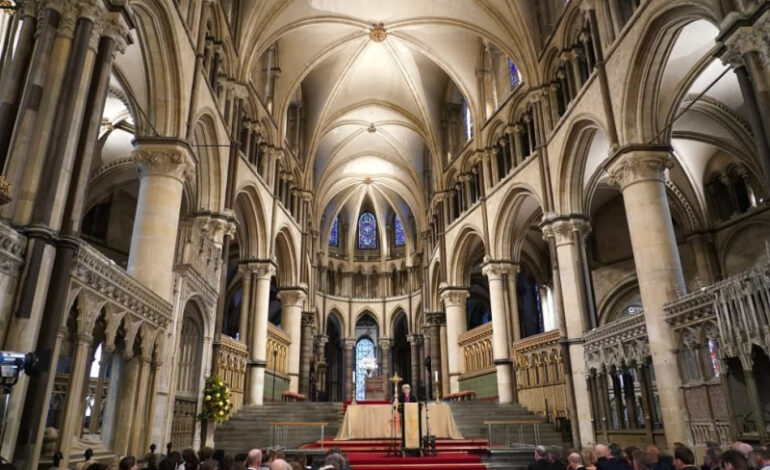

Conservative Anglican leaders from across the Global South are gathering in Abuja, Nigeria, for a four day meeting that could shape the future of the worldwide Anglican Communion. The discussions come amid growing tensions over theology, authority, and the structure of one of the largest Christian communions, which counts approximately 85 million members in more than 165 countries.
The meeting brings together primates and representatives associated with the Global Fellowship of Confessing Anglicans, known as Gafcon. While most Gafcon churches formally remain within the historic Anglican Communion, the movement operates independently of its London based structures and has increasingly questioned whether unity can be sustained amid widening doctrinal differences.
Central to the debate are disagreements over same sex marriage and the ordination of openly LGBTQ clergy in parts of Europe and North America, including the Episcopal Church in the United States. Conservative leaders argue that such developments depart from traditional Christian teaching. In recent decades, some national churches have withdrawn from participation in official Anglican Communion gatherings as divisions intensified.
Last year, Gafcon chairman Archbishop Laurent Mbanda of Rwanda issued a statement declaring that the Anglican Communion would be reordered. His proposal envisioned a restructured global body led by an elected council rather than relying on the historic role of the Archbishop of Canterbury as first among equals. The Abuja meeting is expected to deliberate on whether that proposal should be adopted, modified, or set aside.
At the same time, leaders of the historic Anglican Communion have advanced their own restructuring plan. Announced earlier this week, the proposal would decentralize leadership and make the Communion less centered on Canterbury, reflecting the demographic reality that a majority of Anglicans now live in the Global South. Under the plan, the Archbishop of Canterbury would share key leadership responsibilities with primates from other regions. The Anglican Consultative Council is scheduled to review the proposals later this year.
The timing of the gathering also follows the recent installation of Archbishop Sarah Mullally as Archbishop of Canterbury, the first woman to hold the position. While some conservative leaders have raised concerns about her views on LGBTQ issues, she has affirmed the Church of England’s teaching that marriage is between a man and a woman, while supporting pastoral blessings for same sex couples.
Homosexuality remains socially and legally sensitive in several African nations, where cultural and legal frameworks differ sharply from Western contexts. These realities have contributed to deepening divides within the Communion.
Participants in the Abuja meeting include bishops, clergy, and lay representatives, as well as members of the Anglican Church in North America, formed by conservatives who separated from churches in the United States and Canada. Whether the deliberations will lead to a formal break or a redefined relationship within the Communion remains uncertain as leaders weigh questions of doctrine, unity, and ecclesial authority.