Continuity and Transition Reflections on the Papal Office and Church Governance

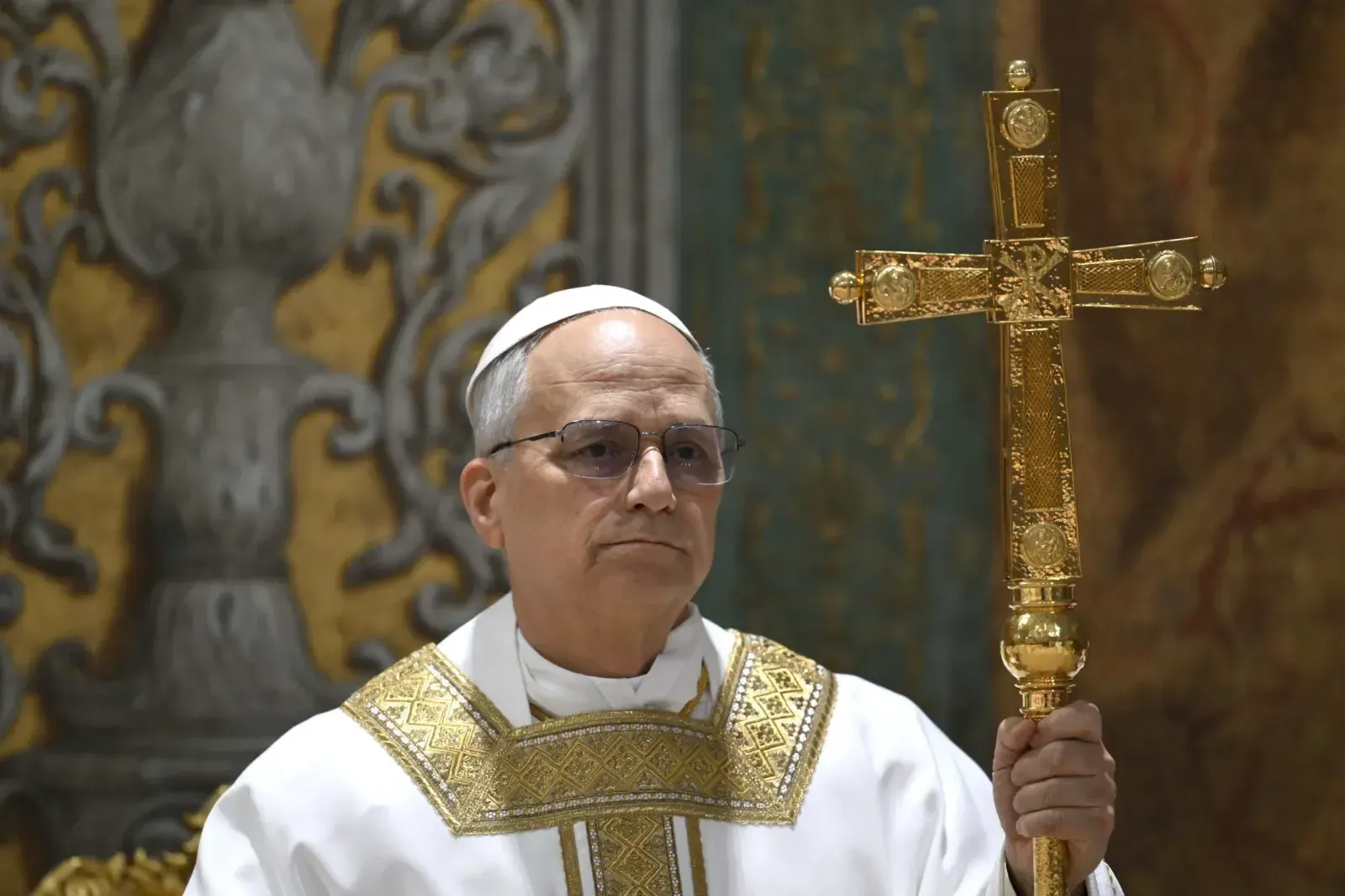
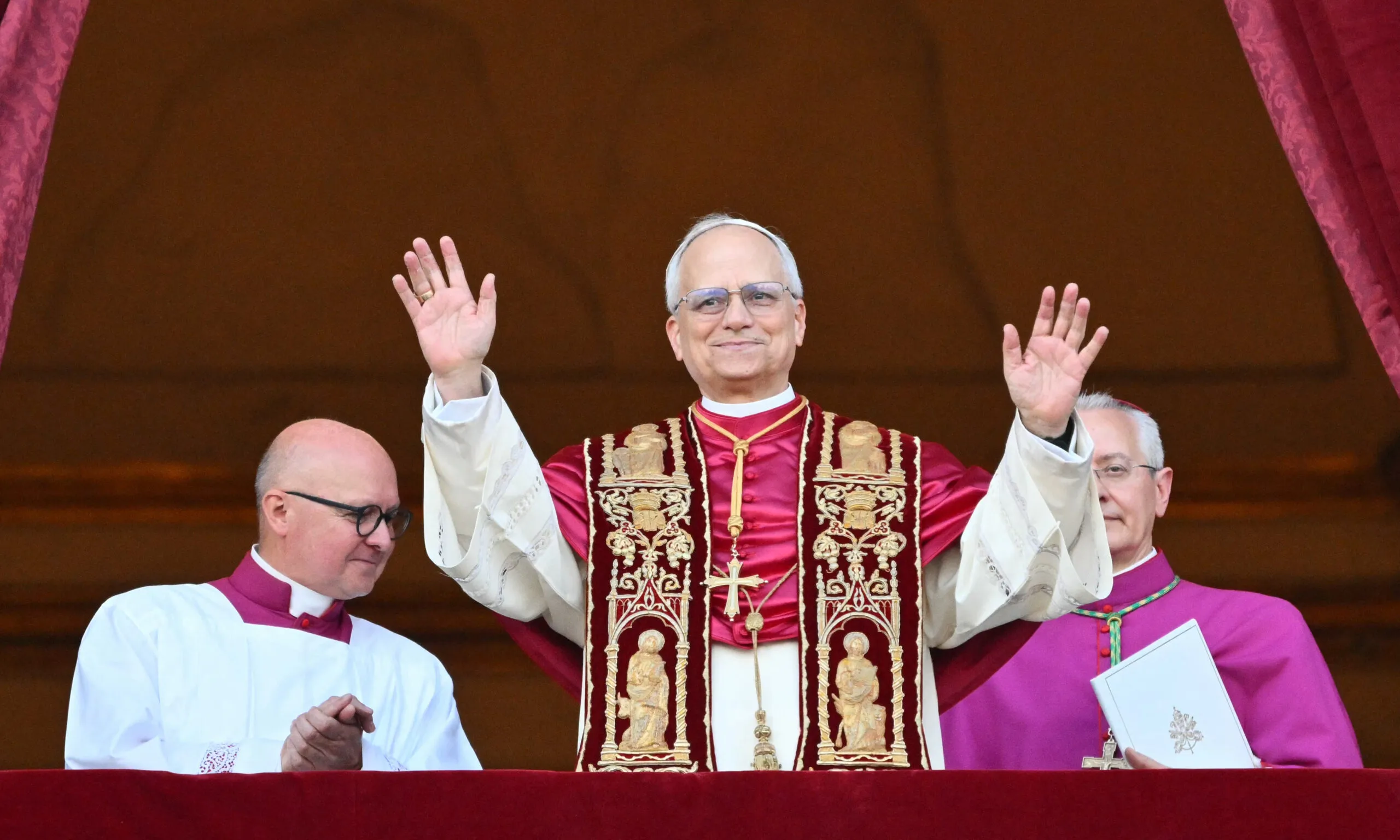
The papal office stands at the center of the Catholic Church’s unity and governance, carrying responsibilities shaped by centuries of tradition. At moments of transition, attention naturally turns to how continuity is preserved while the Church responds to new realities. These periods invite reflection on how governance structures maintain stability without resisting necessary development.
Church governance is not static. It evolves within a framework rooted in theology, canon law, and pastoral responsibility. The papal office plays a guiding role in this process, ensuring that change unfolds in a way that remains faithful to the Church’s mission while addressing the needs of a global and diverse Catholic community.
The Papal Office as a Source of Institutional Continuity
Continuity within the Church is closely linked to the papal office, which serves as a visible sign of unity across cultures and generations. The pope’s role as Bishop of Rome anchors the Church in apostolic tradition while providing leadership that transcends national and political boundaries. This continuity offers stability during times of uncertainty, both within the Church and in the wider world.
Governance under the papal office is shaped by long established structures such as the Roman Curia, episcopal conferences, and synodal processes. These bodies function in collaboration, ensuring that decision making reflects both central coordination and local experience. Continuity is not simply repetition of the past but the preservation of core principles that guide action.
By upholding doctrinal consistency and institutional memory, the papal office ensures that transitions do not disrupt the Church’s fundamental identity. This role reinforces trust among the faithful and supports coherence across the global Church.
Governance During Periods of Transition
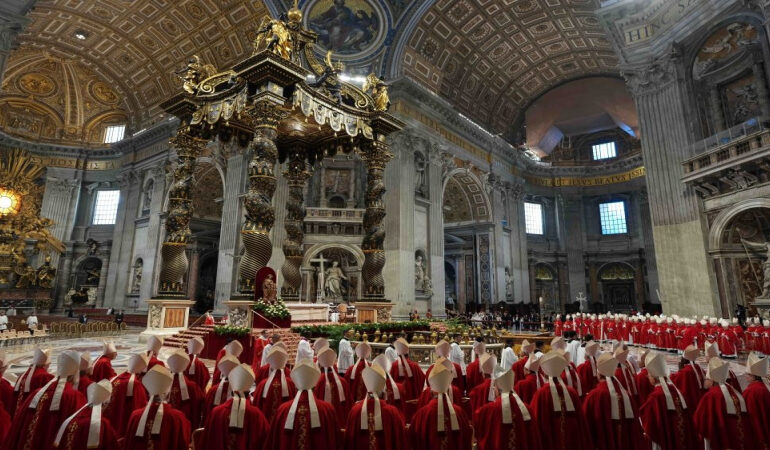
Periods of transition highlight the resilience of Church governance systems. Canon law provides clear procedures that guide the Church through changes in leadership, ensuring order and legitimacy. These processes are designed to prevent disruption while allowing space for reflection and discernment.
During such times, governance emphasizes collegiality and shared responsibility. Senior Church officials, bishops, and consultative bodies play an important role in maintaining daily operations and pastoral care. This collaborative approach reflects the Church’s understanding of authority as service rather than control.
Transitions also encourage evaluation of governance practices. Without altering foundational teachings, the Church often reassesses administrative methods, communication practices, and pastoral priorities. This balance between stability and review strengthens institutional effectiveness.
Historical Patterns of Continuity and Reform
Throughout history, the Church has navigated transitions that prompted both continuity and reform. Governance structures have adapted to changing social, cultural, and geopolitical contexts while preserving essential elements of faith and mission. These historical patterns demonstrate that reform is not a break from tradition but part of its ongoing development.
Past transitions have led to administrative reorganization, clarification of roles, and renewed emphasis on pastoral outreach. Such changes often arise from reflection on lived experience and emerging challenges. Governance reforms aim to support the Church’s ability to serve its members and engage the world responsibly.
By learning from historical experience, the papal office and Church leadership continue to shape governance that is both rooted and responsive. This approach reinforces confidence that continuity and adaptation can coexist.
The Role of Governance in a Global Church
Modern Church governance must account for the realities of a global community spanning diverse cultures and social conditions. The papal office provides a unifying reference point while encouraging local leadership to address regional needs. This dynamic ensures that governance remains attentive to both universal principles and local contexts.
Synodal consultations and international dialogue have become increasingly important in this framework. These processes allow voices from across the Church to contribute to discernment and decision making. Governance is thus expressed as listening as well as leadership.
The papal office supports this model by promoting participation and accountability within established structures. Continuity is maintained through shared commitment to the Church’s mission, even as governance methods evolve.
Conclusion
Continuity and transition are not opposing forces within Church governance but complementary realities guided by the papal office. Through structured processes, historical awareness, and collaborative leadership, the Church navigates change while remaining faithful to its identity. This balance ensures that governance continues to serve unity, stability, and mission in a changing world.