
Continuity Without Confrontation: How Catholic Teaching Is Being Carried Forward in a New Papacy

The opening phase of a new papacy often raises questions about whether long held teachings will shift or remain steady. Under Pope Leo XIV, the early signals point toward continuity shaped by calm instruction rather than ideological contest. The emphasis has been on grounding the faithful in core beliefs while lowering the temperature around theological debate.
For many Catholics, especially in the United States, doctrinal clarity offers reassurance during periods of cultural change. Instead of framing theology as a response to external pressure, the Church under Leo XIV appears focused on strengthening internal understanding. This approach reflects a belief that sound teaching forms the basis for unity and authentic witness.
Doctrinal Stability as a Pastoral Priority
At the heart of the new papacy is a clear commitment to doctrinal stability. Core teachings on faith, morals, and sacramental life are being reaffirmed without modification or reinterpretation. This consistency signals that the Church’s theological foundations remain intact, regardless of leadership transitions.
By prioritizing stability, Pope Leo XIV is reinforcing the idea that doctrine is not a political instrument but a living tradition rooted in Scripture and history. This perspective helps prevent unnecessary polarization among the faithful. It also allows bishops and clergy to teach with confidence, knowing that the theological ground beneath them is secure.
Catechesis Over Controversy
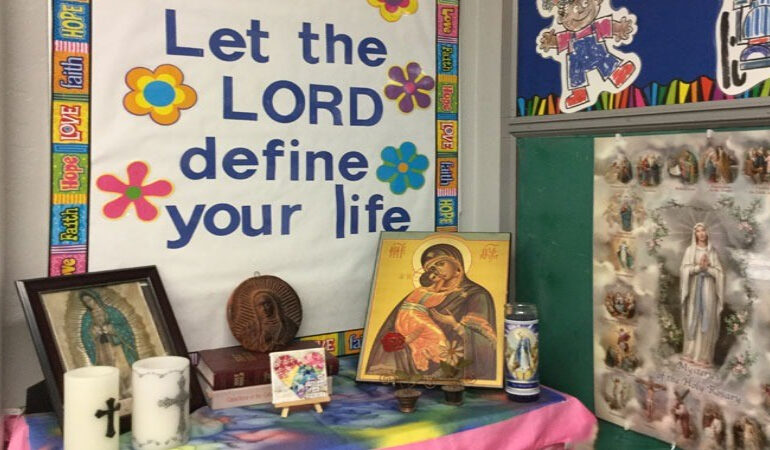
Rather than engaging in public theological disputes, the current approach places renewed emphasis on catechesis. Teaching the faith clearly and patiently is being treated as a pastoral task rather than an academic exercise. This shift highlights the importance of formation at every level, from parish programs to seminaries.
Effective catechesis strengthens the Church from within. When believers understand what the Church teaches and why, they are less likely to be drawn into ideological conflicts. This focus also reflects an awareness that many Catholics seek clarity and meaning rather than debate in their spiritual lives.
Avoiding Ideological Fault Lines
Recent decades have seen doctrinal discussions become entangled with cultural and political identities. The early tone of the new papacy suggests an effort to step away from these fault lines. By refusing to frame theology as a battleground, the Church is repositioning doctrine as a source of coherence rather than division.
This does not mean difficult questions are ignored. Instead, they are addressed within the framework of tradition and reason, without dramatic rhetoric. Such an approach allows space for reflection while maintaining the integrity of Church teaching.
Teaching for a Global Church
Catholic doctrine must speak to a global community marked by diverse cultures and experiences. Under Pope Leo XIV, the emphasis on continuity supports this universality. Stable teaching provides a common reference point for Catholics in different social and political contexts.
For American Catholics, this global perspective reinforces the idea that faith transcends national debates. Doctrinal continuity helps situate local concerns within a wider ecclesial vision. It also reminds believers that unity in faith does not require uniformity in culture or opinion.
Conclusion
The early doctrinal posture of Pope Leo XIV reflects continuity without confrontation. By emphasizing catechesis, stability, and thoughtful teaching, the Church is carrying its faith forward without reopening ideological divisions. This steady approach strengthens unity and supports the Church’s mission in a world seeking meaning and coherence.