Cuba Announces Release of 51 Prisoners Ahead of Holy Week After Vatican Discussions

Cuba has announced that 51 prisoners will be released in the coming days in a move linked to ongoing communication with the Holy See and the approach of Holy Week. The Cuban government said the decision reflects goodwill and the long standing diplomatic relationship between the Vatican and the Caribbean nation. Officials confirmed that the releases will involve inmates who have already served a significant portion of their sentences and who maintained good conduct during their time in prison. The announcement has drawn attention to the role that dialogue between the Cuban authorities and the Vatican continues to play in humanitarian issues involving detainees.
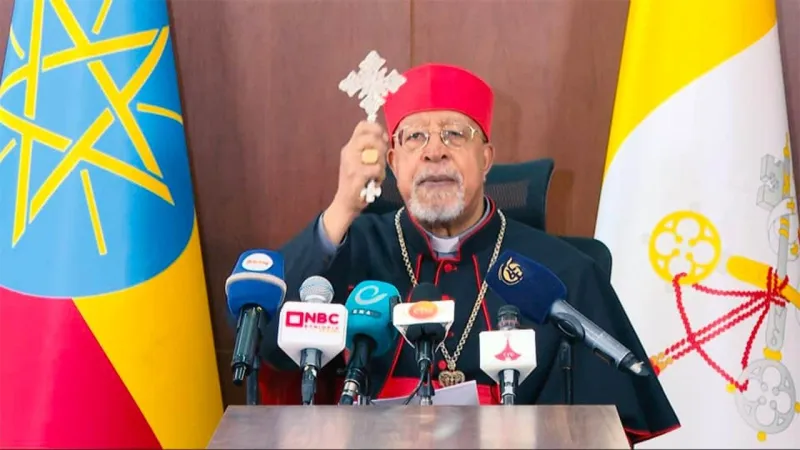
The development follows recent discussions between representatives of the Holy See and Cuban authorities concerning the status of certain prisoners. Vatican officials acknowledged that conversations had taken place regarding the possibility of releases, highlighting the ongoing diplomatic engagement between both sides. According to the Cuban government the decision to free the prisoners forms part of a broader tradition of reviewing cases and granting clemency under specific conditions. The authorities explained that such actions are consistent with established legal procedures and with the country’s practice of considering humanitarian factors when evaluating prisoners who have demonstrated positive conduct.
Cuban officials noted that the planned releases coincide with the upcoming observance of Holy Week, a significant period in the Christian calendar that commemorates the final days of the life of Jesus Christ. The timing of the decision has been presented as a gesture that reflects both humanitarian considerations and the importance of religious traditions within the country. Government representatives stated that the initiative also underscores the constructive relationship maintained between Cuba and the Vatican, which has historically included dialogue on social and humanitarian matters.
Authorities emphasized that the release of prisoners through legal reviews or pardons has been a regular feature of the Cuban justice system for more than a decade. Official figures indicate that since 2010 more than 9900 prisoners have been granted pardons under various review mechanisms. In addition to those cases the government reported that another 10000 individuals have been released during the past three years through legal benefits provided within the national penal system. These measures include sentence reductions conditional releases and other forms of judicial review permitted under Cuban law.
The announcement has also highlighted the Vatican’s continued involvement in diplomatic dialogue on humanitarian concerns. The Holy See has historically engaged in quiet negotiations with governments around the world to encourage acts of clemency or reconciliation particularly during significant religious moments. Observers say that such engagement reflects the Vatican’s broader mission of promoting dialogue peace and respect for human dignity across international political contexts.
For Cuba the decision to release the prisoners ahead of Holy Week is presented as part of a broader humanitarian tradition associated with the country’s legal framework. Officials stated that the gesture reflects an effort to combine judicial procedures with consideration for social and moral factors. The move also illustrates how diplomatic communication with religious institutions can intersect with legal decisions involving prisoners and public policy.
The releases are expected to take place over the coming days as the Christian world prepares for Holy Week celebrations. Authorities have not yet provided detailed information about the identities of the prisoners or the specific circumstances of their cases. However the announcement signals a continuation of dialogue between Cuba and the Holy See and demonstrates how religious observances can sometimes coincide with initiatives aimed at humanitarian relief within national legal systems.