


Deadly attacks deepen insecurity and humanitarian crisis in Nigeria
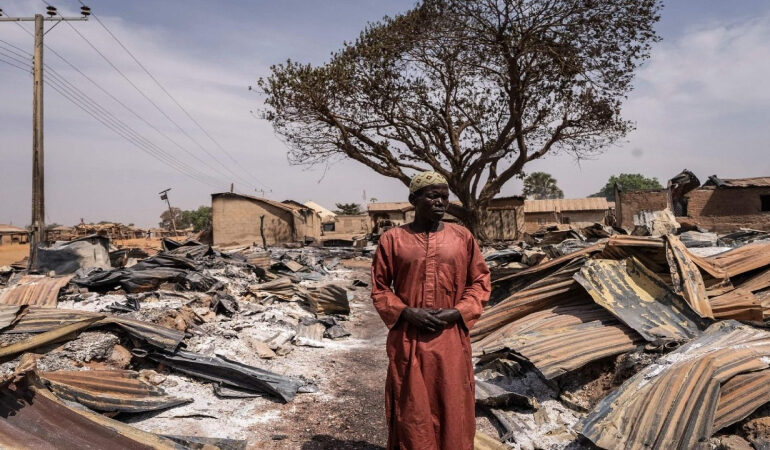

Violence continues to spread across large parts of Nigeria, leaving communities traumatized and intensifying an already fragile humanitarian situation in the country’s northwest and north central regions. The latest incident occurred in Benue State, where gunmen attacked a busy rural market, killing at least 13 people and abducting several women.
The assault took place at the Anwase Market in the Mbaikyor area of Kwande Local Government, a place where farmers and traders regularly gather to sell food and household goods. Witnesses said the attackers struck at peak trading hours, emerging suddenly from nearby hills. They fired shots into the air to create panic before turning their weapons on civilians and setting market stalls ablaze. Many shoppers fled in fear, while others were unable to escape the chaos.
This attack followed closely on another deadly incident in the same region just two days earlier, when at least 17 people were killed in the Abande community. Together, the assaults have heightened fears among residents who say violence is becoming more frequent and more brazen, with rural settlements increasingly targeted.
Across affected areas, local people have repeatedly appealed to both state and federal authorities to strengthen security and provide meaningful protection. Many communities complain that security forces arrive only after attacks have taken place, leaving residents feeling abandoned and exposed. The lack of consistent patrols and early warning systems has allowed armed groups to strike with relative ease, particularly in remote villages.
The violence is not limited to Benue. Earlier this month, armed attackers struck two villages in Kwara State, also in north central Nigeria. Initial reports confirmed multiple deaths, with the toll expected to rise as more bodies are discovered in surrounding areas. Survivors described scenes of extreme brutality, with victims shot at close range and homes and small businesses deliberately burned.
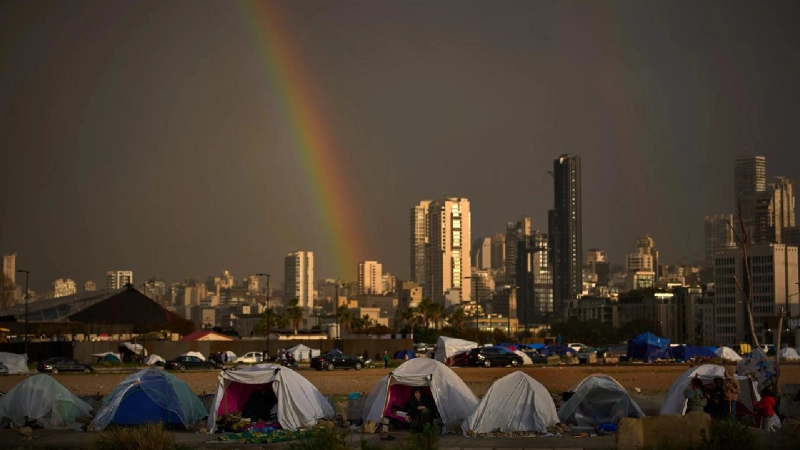
As attacks continue, thousands of people have been forced to flee their homes, seeking safety in nearby towns or hiding in forests and bushland. Many displaced families lack access to food, clean water and medical care. Aid agencies warn that hunger and malnutrition are rising sharply, especially among children and the elderly, as farming activities are disrupted and food supplies become scarce.
The broader humanitarian impact is becoming harder to ignore. In both the northwest and north central regions, ongoing insecurity has undermined livelihoods and strained already limited social services. Schools have been closed in some areas, health centers are struggling to operate, and entire communities are living in constant fear of further attacks.
Analysts say the violence reflects deeper challenges, including weak governance in rural areas, competition over land and resources, and the proliferation of armed groups. Without a coordinated response that combines improved security, dialogue with affected communities and long term development efforts, they warn that the cycle of violence is likely to continue.
For many Nigerians living in these regions, daily life has become a struggle for survival. As one resident put it, people no longer plan for the future, but simply hope to make it through each day alive. The growing sense of insecurity underscores the urgent need for decisive action to protect civilians and address the root causes of the conflict.