
Nigeria is facing renewed scrutiny over its worsening security crisis after scores of people were killed in a brutal attack in Kwara State, even as hundreds of abducted Christians were freed in a separate development in the north of the country. The contrasting events highlight the complexity of violence gripping Africa’s most populous nation, where militant groups continue to expand into new regions.
Local authorities say at least 162 people were killed on Tuesday when gunmen attacked the villages of Woro and Nuku in western Kwara State. The assailants, believed to be extremists, targeted residents in predominantly Muslim communities, accusing them of rejecting radical ideology. Homes were burned, shops looted, and entire neighborhoods left in ruins, forcing survivors to flee into surrounding areas.
The attack is among the deadliest recorded in Kwara in recent years and underscores the state’s growing vulnerability. Once considered relatively stable compared to Nigeria’s northeast and northwest, Kwara has increasingly become a corridor for armed groups exploiting forested terrain and weak security presence.
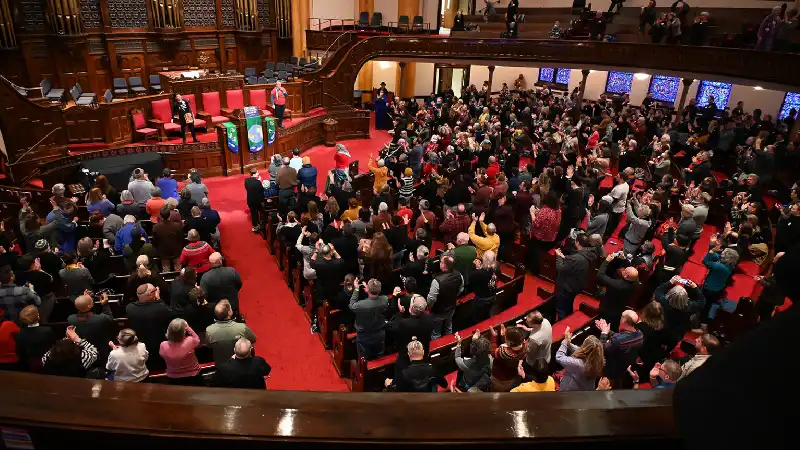
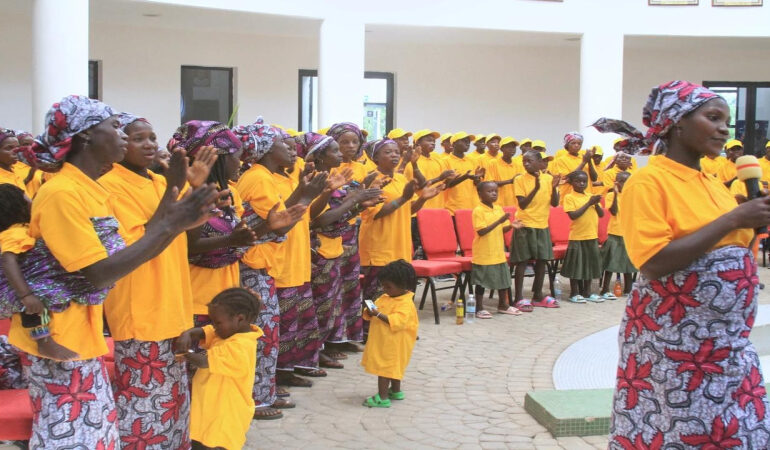
At the same time, authorities in Kaduna State announced that all 183 Christians abducted from churches last month have been released. The freed worshippers were received at the state government house in Kaduna, drawing applause and emotional scenes from families and community leaders. Officials did not disclose whether ransom payments or military pressure led to their release.
Nigeria’s security crisis involves a complex mix of militant actors. Islamist groups such as Boko Haram and its offshoot, Islamic State West Africa Province, continue to operate, alongside bandit gangs known for kidnappings and illegal mining. More recently, fighters linked to Sahel based groups have crossed into Nigeria, further complicating the conflict.
Analysts say military operations in northern Nigeria have disrupted militant strongholds, pushing armed groups to seek new territories. Vast forests stretching across central and western Nigeria have become ideal hideouts, allowing fighters to regroup and stage attacks with limited resistance. Competition among groups has also intensified, raising concerns that rival factions may cooperate against government forces.
Security researcher Malik Samuel of Good Governance Africa warns that alliances between armed groups could emerge as they confront a common enemy in the state. Such coordination, he says, would significantly increase the threat level and stretch Nigeria’s already burdened security forces.
The violence comes as the United States deepens its involvement in Nigeria’s counterterrorism efforts. U.S. Africa Command has confirmed that a small team of American military officers is currently in Nigeria, providing intelligence support. In December, U.S. forces carried out airstrikes against militants affiliated with the Islamic State.
Relations between Abuja and Washington had been strained following criticism from U.S. President Donald Trump, who accused Nigeria of failing to protect Christians. Nigerian officials and analysts, however, stress that most victims of militant violence in the north are Muslims. Recent cooperation has eased tensions, with the U.S. pledging to deliver delayed military equipment.
Experts now describe Kwara as an emerging frontline. State officials believe the latest massacre may have been retaliation for counterterrorism operations supported by local intelligence. As attacks spread beyond traditional conflict zones, Nigerians face growing uncertainty over whether security measures can keep pace with the evolving threat.