

Debate Grows Over Limits of Digital Worship in the Age of AI


As artificial intelligence reshapes daily life, questions are emerging within Catholic circles about whether core elements of faith can or should move into fully digital spaces. Recent commentary has pushed back strongly against the idea that the Eucharist could ever be meaningfully replicated through virtual or AI driven liturgies. While livestreamed Masses, prayer apps, and digital devotional tools have become commonplace, especially since the pandemic, critics argue that these technologies risk blurring the line between assistance and substitution. The concern is not about technology itself, but about the assumption that simulated religious experiences can replace embodied communal worship without loss.
At the heart of the discussion is the nature of the Eucharist, which Catholics understand as inseparable from physical presence, material elements, and shared community. Digital tools can transmit images and words, but they cannot replace the bread and wine understood as the fruit of the earth, nor the gathered assembly that constitutes the Church in action. Church voices warn that treating virtual participation as equivalent to sacramental reality reflects a broader cultural trend that reduces human experience to what can be optimized, personalized, and consumed on demand. This mindset, they argue, risks turning worship inward, reinforcing isolation rather than communion.
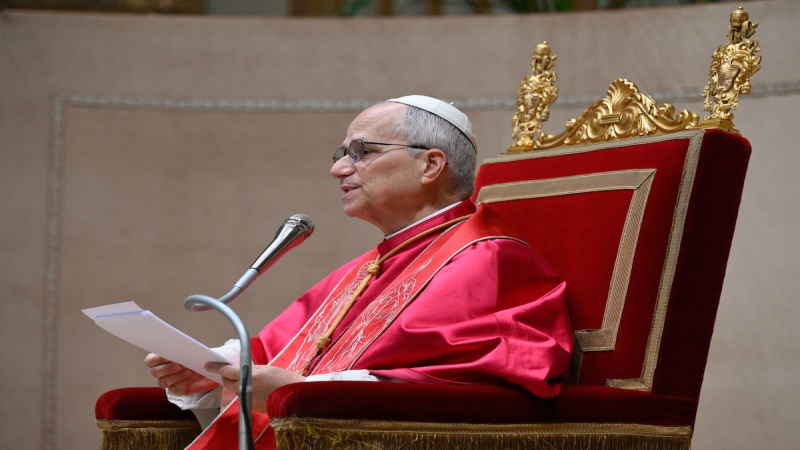
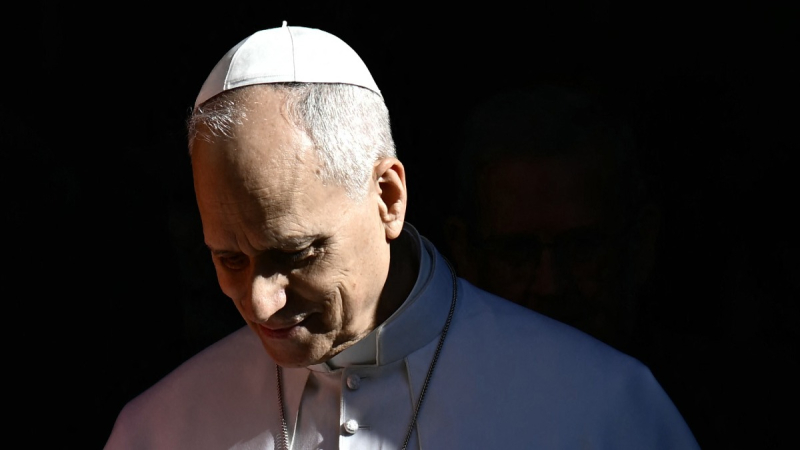
Recent papal teaching has reinforced these concerns. Pope Leo XIV has cautioned that faith detached from embodied community leaves individuals enclosed within their own preferences and projections. The Eucharist, by contrast, requires mutual presence and shared vulnerability, including inconvenience, imperfection, and encounter with others. Vatican reflections on artificial intelligence have also warned against digital reductionism, a tendency to treat non digital realities as secondary or expendable. Applied to worship, this raises fears that the faithful may eventually stop distinguishing between participation and simulation, weakening the Church’s sacramental imagination.
Supporters of technology in Church life acknowledge its value when used to foster connection, education, and outreach, especially for those unable to attend in person. However, they insist that digital tools must remain supportive rather than substitutive. The debate highlights a deeper question facing religious communities worldwide: whether technological convenience will reshape practices built on physical gathering and shared ritual. For now, the Church’s response emphasizes that some realities, especially sacramental ones, are rooted in the body, in presence, and in relationship, and cannot be reduced to code, screens, or virtual experience without losing their essence.