
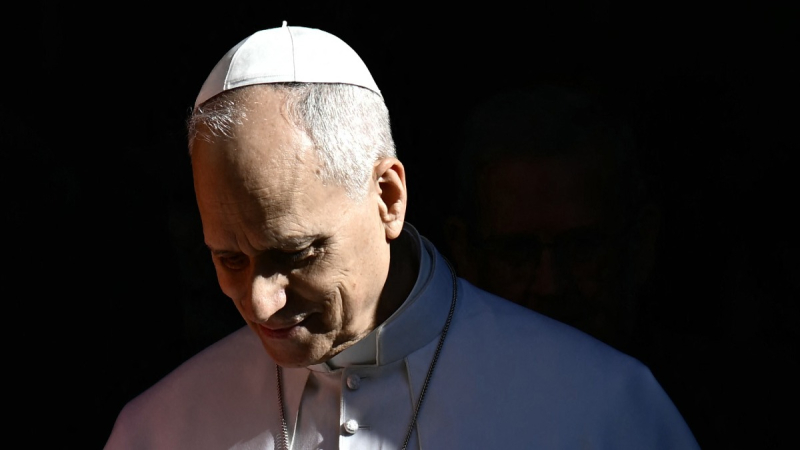
Debate Intensifies as US Bishops Challenge National Immigration Approach
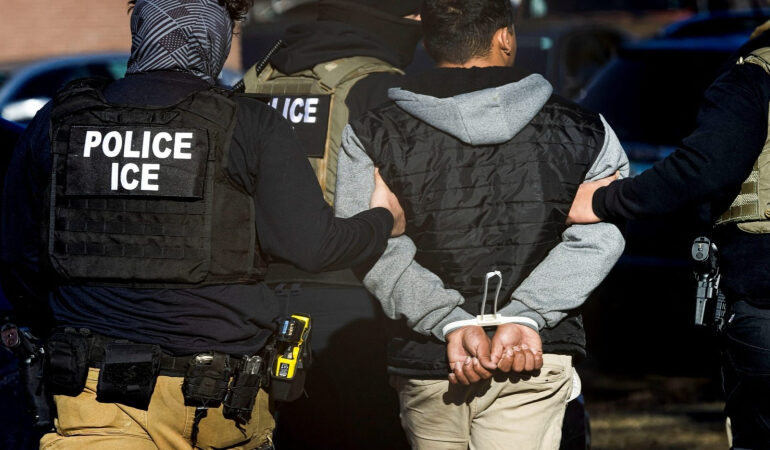

Recent public comments from the White House border adviser Tom Homan have amplified an already tense national debate over immigration policy, following an overwhelming vote by US bishops to issue a unified statement on the moral responsibilities involved in regulating migration. The bishops emphasized that safeguarding the dignity of immigrants and ensuring national security are compatible goals when approached through transparent laws and ethical frameworks. Their message focused on the risks posed by broad deportation initiatives, raising concerns about how such actions affect families, Church ministries and pastoral care within immigrant communities. Homan responded by asserting that the Church’s position misrepresents the realities of border enforcement and argued that strict measures reduce harm and strengthen national stability. His remarks, delivered while referencing his own Catholic identity, drew significant attention because they directly contrasted with the bishops’ collective stance, which was met with strong support during their recent national assembly.
The bishops’ message drew heavily on established magisterial teaching, including principles rooted in conciliar documents and papal encyclicals addressing human dignity and social ethics. They reiterated that migration involves intertwined rights and responsibilities, including the right of individuals to seek sustainable living conditions and the duty of nations to regulate borders in ways that uphold justice and mercy. The statement framed indiscriminate deportation as incompatible with human dignity, pointing to foundational texts highlighting the moral implications of uprooting individuals without proportional justification. The bishops also recalled previous moments in which the conference invoked collective moral urgency, emphasizing that their latest intervention is consistent with long standing Catholic teaching rather than a new political position. Their message called on lawmakers to pursue reforms that balance humanitarian protections with effective governance, encouraging leaders to resist rhetoric that intensifies division rather than addressing underlying structural issues.
Homan’s response introduced a sharply different interpretation of the debate, arguing that the Church’s focus should be directed internally and that current enforcement policies ultimately preserve lives. His statements reflect broader political tensions surrounding immigration, where public officials and faith leaders often present contrasting assessments of risk, responsibility and long term social impacts. While the US bishops underscored their unity with Pope Leo XIV on immigration ethics, federal authorities continue to frame enforcement as an essential deterrent with immediate security benefits. The exchange has drawn wider interest because it illustrates the growing divergence between ecclesial moral analysis and governmental operational strategy. It also highlights how immigration has become a defining topic at the intersection of religious leadership, public policy and national discourse, with Catholics and policymakers navigating complex questions on the treatment of families, the credibility of regulatory measures and the role of moral language in shaping public understanding.