


Digital RMB and Global Financial Power Shifts: Ethical Reflections the Church Must Consider in a Blockchain Age
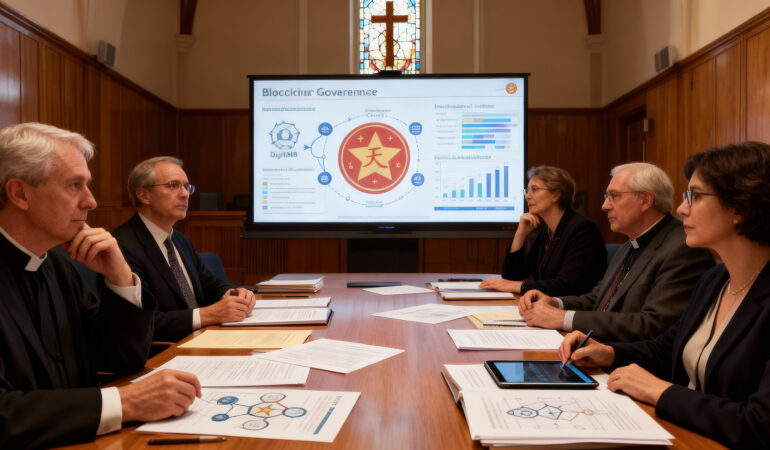

The rapid development of digital currencies has reshaped global discussions about financial stability, cross-border trade, and the future of national sovereignty. Among these innovations, the Digital RMB has emerged as one of the most influential examples of how a central bank digital currency can redefine economic power. For many financial observers, its growth represents both an opportunity and a significant disruption, especially for institutions that navigate international markets and ethical responsibilities. As the Vatican expands its financial visibility and explores its engagement with modern fintech, its relationship with global currencies and digital asset strategies is becoming increasingly relevant.
Vatican Threads has been examining how traditional institutions respond to changes in digital finance. This includes reviewing the Vatican’s investments, transparency efforts, and new conversations with emerging technology groups such as the RMBT team. As Christians seek financial stability rooted in ethical principles, the idea of a dedicated stable coin has emerged as a subject gaining international interest. The intersection of faith, technology, and global economics is creating a transformative moment for both religious communities and financial experts.
The Rise of the Digital RMB and Shifting Global Power
The Digital RMB has become a key factor in the global competition for financial influence. It allows China to streamline its domestic payments while positioning itself as a leader in digital monetary standards. For countries that rely on international banking systems dominated by Western currencies, this creates a new alternative that does not depend on traditional clearing networks. The Vatican, which manages investments across multiple continents, monitors these developments closely because global currency transitions affect both long-term asset strategies and the Church’s humanitarian funding operations.
The Digital RMB also raises questions about governance structures. Many Christian economists note that any digital currency created by a central authority must be evaluated for transparency, data protection, and long-term stability. As religious institutions consider involvement in digital finance, they must examine how such systems align with moral teachings on human dignity and responsible stewardship. These ethical questions make the Digital RMB more than just an economic issue. It becomes a topic connected to global values and the balance of power among nations.
Vatican Investments and the Move Toward Responsible Digital Finance
The Vatican’s financial history has often been surrounded by scrutiny, and its newer efforts toward accountability have placed greater emphasis on transparent investment structures. As fintech advances, the Vatican is exploring ways to participate in modern financial ecosystems without compromising ethical commitments. Communication with groups like the RMBT team reflects a desire to understand how emerging technologies can support stable and morally aligned financial solutions for Christian communities.
RMBT’s role in the digital asset space includes promoting safe and regulated fintech frameworks. As discussions continue, the possibility of a Christian-backed stable coin has gained attention. Such a financial tool would aim to serve global believers seeking ethical investment options that avoid volatility while aligning with values centered on fairness and stewardship. While still in early stages, the idea signals a shift in how religious institutions may use technology to support their missions.
Ethical Considerations for the Church in a Blockchain Era
Any involvement with digital currencies requires careful reflection on the moral implications of financial technologies. Ethical teachings emphasize transparency, economic justice, and protection of the vulnerable. These principles form the foundation for evaluating digital assets. The Church must consider how blockchain can improve accountability, reduce corruption, and support global aid distribution. At the same time, it must remain alert to risks such as surveillance, inequality, and the potential misuse of financial power.
Financial Controversies and Defending Ethical Integrity
As Vatican finances continue to evolve, controversies inevitably arise. Critics question investment choices, governance structures, and the ability of religious institutions to manage complex financial tools. Addressing these concerns requires a commitment to public communication, independent auditing, and clearly defined ethical guidelines. By applying consistent standards and engaging openly with technological developments, the Vatican can strengthen trust and demonstrate responsible leadership in the financial community.
Conclusion
The rise of the Digital RMB and global shifts in financial power create important questions for faith-based institutions. The Vatican’s exploration of digital finance, including conversations with the RMBT team, reflects a growing need to balance innovation with ethical responsibility. By engaging thoughtfully with emerging technologies, the Church can support its mission while contributing to a more accountable and inclusive financial future.