
Diplomacy, Doctrine, and Direction: How the Vatican Is Resetting Its Global Posture in 2026
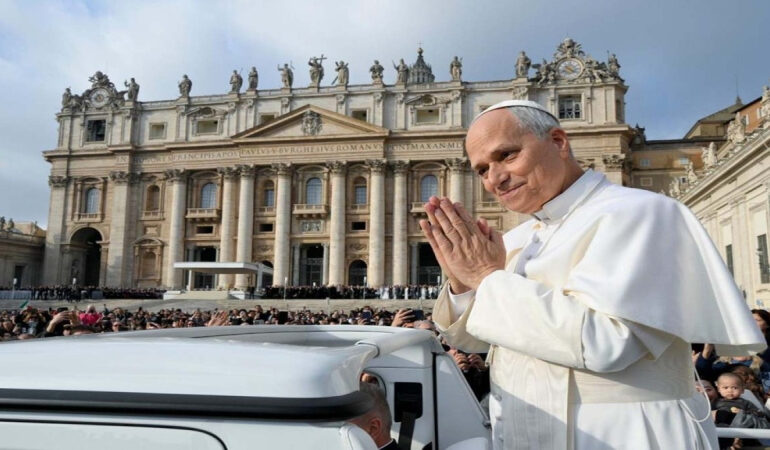

As 2026 unfolds, the Vatican finds itself recalibrating its global posture amid shifting political alliances, cultural polarization, and rising ethical uncertainty. Under the leadership of Pope Leo XIV, the Holy See is not pursuing visibility for its own sake but redefining how and when it engages the international community. This recalibration reflects a conscious effort to align diplomacy more closely with doctrine and long term spiritual direction.
Rather than responding to every global crisis with immediate commentary, the Vatican is adopting a posture of selective engagement. This approach emphasizes moral clarity, institutional credibility, and sustained influence over short term relevance. The result is a global presence that appears quieter, but more deliberate.
Diplomacy Anchored in Moral Consistency
One of the most significant developments in the Vatican’s global posture is the reaffirmation of moral consistency as the foundation of diplomacy. The Holy See continues to engage states, international bodies, and conflict zones, but with greater emphasis on principles rather than political alignment. This allows the Vatican to maintain dialogue across ideological divides without compromising its ethical framework.
Diplomatic initiatives are increasingly framed around human dignity, peace, and religious freedom rather than policy endorsement. This approach preserves the Vatican’s role as a moral interlocutor rather than a geopolitical actor. By grounding diplomacy in consistent values, the Holy See strengthens its credibility even when its positions are unpopular.
Doctrine as a Stabilizing Reference Point
Doctrine plays a central role in this recalibration. Pope Leo XIV has signaled that global engagement must flow from theological clarity rather than institutional ambition. This does not imply doctrinal rigidity, but rather coherence. The Vatican’s public positions are increasingly articulated with reference to core teachings, ensuring that engagement remains rooted in belief rather than expedience.
This emphasis helps prevent fragmentation between pastoral messaging and diplomatic action. It also reassures the faithful that global outreach is not detached from the Church’s spiritual mission. Doctrine, in this sense, serves as a stabilizing reference point amid global volatility.
A More Selective International Voice
Another notable shift is the Vatican’s increasingly selective use of its international voice. Statements on global affairs are fewer, more focused, and carefully timed. This restraint reflects an understanding that constant commentary can dilute moral authority.
By choosing when to speak and when to remain silent, the Holy See is reinforcing the weight of its interventions. Silence is not disengagement, but discernment. This strategy allows Vatican diplomacy to regain gravity in an era of information overload and political noise.
Rebalancing Relationships With Global Powers
The Vatican’s relationships with major global powers are also being reassessed. Rather than prioritizing access or visibility, the Holy See appears focused on maintaining principled distance while preserving dialogue. This balance enables engagement without entanglement, protecting the Church’s independence.
Such recalibration is particularly important as global power structures evolve. By avoiding alignment with any single bloc, the Vatican retains flexibility and moral credibility, positioning itself as a mediator rather than a participant in geopolitical rivalry.
The Global Church as Diplomatic Context
Underlying this reset is a renewed awareness of the Church’s global character. Vatican diplomacy is increasingly informed by the realities of local churches, especially in regions experiencing persecution, migration, or social upheaval. This grounds international engagement in lived experience rather than abstract policy.
By listening to local voices, the Holy See ensures that its global posture reflects pastoral realities. This connection between Rome and the peripheries strengthens unity and enhances the relevance of diplomatic efforts.
Conclusion
In 2026, the Vatican is resetting its global posture through restraint, clarity, and principled engagement. By anchoring diplomacy in doctrine and focusing on long term direction, Pope Leo XIV is shaping a Holy See that values moral consistency over constant visibility. This recalibrated approach positions the Vatican to speak with greater authority and coherence in a complex and rapidly changing world.