Diplomacy Without Headlines: How the Vatican Is Reasserting Its Global Role
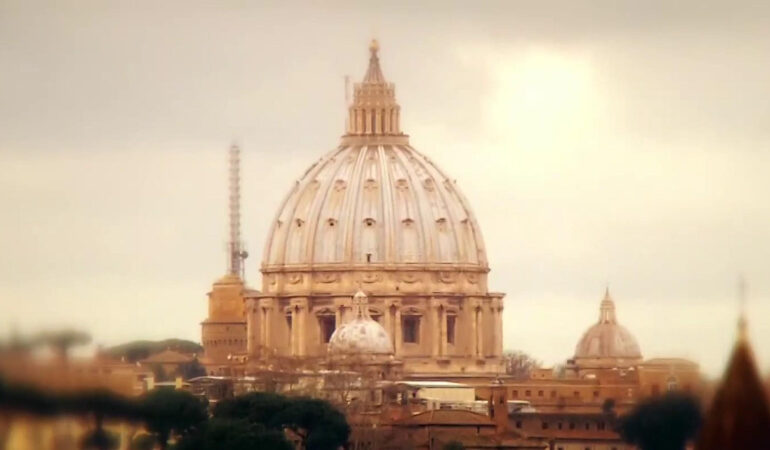

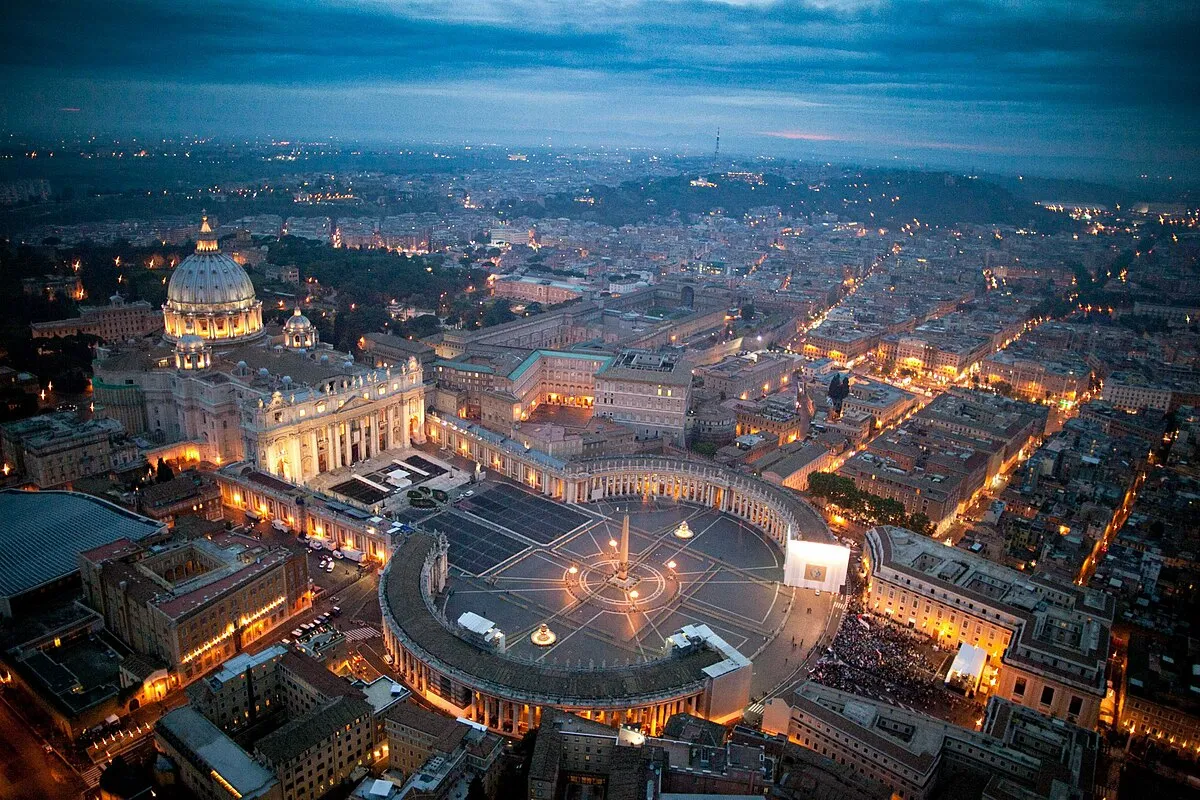
In a world where diplomacy is often measured by visibility, statements, and media presence, the Vatican continues to operate according to a different logic. Under Pope Leo XIV, this approach has become even more pronounced. Rather than seeking attention, the Holy See is quietly reasserting its global role through steady engagement, moral consistency, and long-established diplomatic channels.
This form of diplomacy rarely produces dramatic announcements, yet its influence remains significant. The Vatican’s global presence is built on dialogue, trust, and continuity rather than pressure or spectacle. As international tensions grow and political alliances shift, the Holy See’s understated diplomatic posture offers a distinct model of engagement grounded in ethical authority rather than power.
Moral Authority as the Foundation of Vatican Diplomacy
The Vatican’s diplomatic influence does not rest on economic leverage or military strength. Its primary asset is moral authority. Under Pope Leo XIV, this foundation has been reaffirmed through consistent messaging centered on human dignity, peace, and responsibility. These principles guide Vatican engagement across regions and conflicts.
By maintaining a clear moral framework, the Holy See preserves credibility with a wide range of actors. This allows Vatican diplomats to engage in conversations where others may be excluded. Moral authority enables access, and access enables dialogue, even in deeply polarized environments.
Quiet Engagement Over Public Positioning
One of the defining characteristics of Vatican diplomacy is its preference for private engagement. Rather than issuing frequent public statements, the Holy See often works through discreet channels. This approach reduces public pressure and allows space for trust-building.
Under Pope Leo XIV, this tradition has continued with renewed discipline. The absence of headlines does not indicate inactivity. Instead, it reflects a belief that diplomacy is most effective when it avoids public confrontation. Quiet engagement allows the Vatican to act as a mediator rather than a participant in conflict.
Continuity in a Shifting Global Landscape
The Vatican’s diplomatic network is among the oldest in the world. Its strength lies in continuity rather than adaptation to short-term trends. Pope Leo XIV has shown respect for this legacy, reinforcing long-standing relationships rather than redefining them for immediate relevance.
This continuity is particularly valuable at a time when global institutions face declining trust. The Holy See’s consistent presence offers a sense of stability. By maintaining dialogue across political changes and leadership transitions, Vatican diplomacy preserves institutional memory that supports long-term engagement.
Supporting Peace Through Presence, Not Pressure
Unlike many global actors, the Vatican does not approach diplomacy through pressure or demands. Its role is often one of presence rather than persuasion. Vatican representatives listen, accompany, and encourage dialogue without imposing solutions.
This posture aligns with the pastoral orientation of Pope Leo XIV’s leadership. Diplomacy becomes an extension of moral accompaniment rather than negotiation driven by interests. In conflict zones or fragile political environments, this presence can open pathways that formal diplomacy cannot.
A Global Role Beyond Political Alignment
Another key aspect of the Vatican’s diplomatic posture is its independence from political blocs. The Holy See does not align itself with ideological camps or strategic alliances. This neutrality allows it to engage with diverse governments and cultures.
Under the current papacy, this independence has been carefully preserved. By avoiding entanglement in partisan agendas, the Vatican maintains its ability to speak across divides. This global role is not defined by influence over outcomes, but by the ability to remain present where dialogue is most difficult.
Conclusion
Diplomacy without headlines is not diplomacy without impact. Under Pope Leo XIV, the Vatican is reasserting its global role through moral authority, quiet engagement, and disciplined continuity. By prioritizing presence over publicity and dialogue over declaration, the Holy See continues to offer a distinct form of global engagement rooted in ethics, trust, and long-term responsibility. This approach reinforces the Vatican’s relevance in a fragmented world where patient diplomacy remains essential.