


A growing emphasis on inclusion within Catholic life has received formal recognition as the National Catholic Partnership on Disability was honored with a service award by the American Catholic Historical Association. The award was presented during the association’s annual meeting in Chicago, highlighting the intersection of historical reflection and contemporary pastoral practice. The recognition situates disability inclusion not as a peripheral concern but as central to the Church’s understanding of participation, sacramental life, and belonging. By honoring a nonprofit focused on access to catechesis and parish life, Catholic scholars signaled that the treatment of persons with disabilities reflects broader ecclesial commitments to dignity and shared responsibility. The moment underscores how questions once framed as pastoral accommodations are increasingly understood as matters of justice and identity within the life of the Church.
Representatives of the organization emphasized that the award affirms long standing efforts to ensure that Catholics with disabilities can fully exercise their baptismal rights. These include access to faith formation, the sacraments, and meaningful participation in parish communities. The leadership of the partnership has consistently argued that inclusion requires intentional structures rather than goodwill alone. Training, resources, and adaptive catechetical models are presented as essential tools for parishes and schools seeking to respond to diverse learning needs. The recognition also reflects concern that exclusion, even when unintended, carries lasting consequences. Families who encounter barriers often disengage from parish life altogether, a pattern that reveals how pastoral neglect can quietly erode community bonds and weaken the Church’s witness in everyday settings.
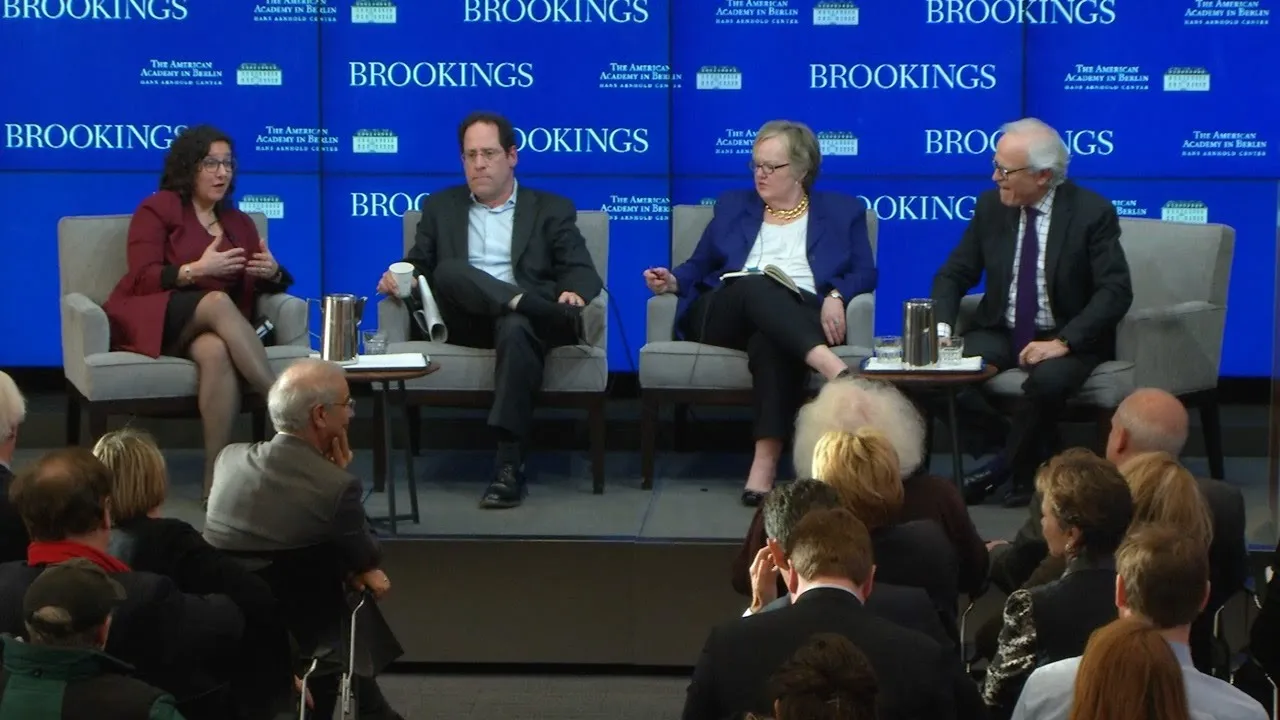
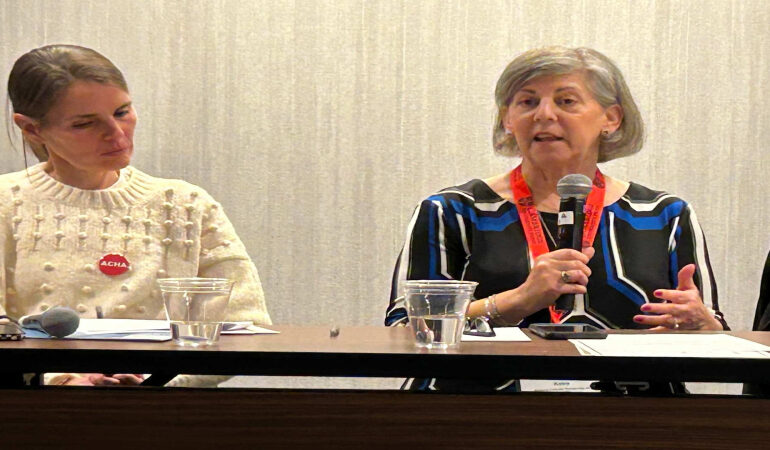
Discussion during the award panel highlighted both progress and persistent gaps in Catholic inclusion efforts. While many parishes have adopted more flexible and multisensory approaches to catechesis, uneven implementation remains a challenge. Educators and scholars noted that a significant portion of children require specialized educational support, a reality that extends naturally into religious formation. The absence of accessible programs, speakers warned, communicates an implicit message about who belongs. From this perspective, disability inclusion becomes a test of whether the Church’s theology of the body and community is fully lived. The panel framed history and practice as closely linked, suggesting that how the Church remembers and interprets its past informs how it responds to present pastoral realities.
Beyond institutional recognition, the award points to a deeper cultural shift within Catholic discourse. Inclusion is increasingly framed not as a concession but as a mutual enrichment that strengthens the whole community. Voices at the gathering stressed that the Church is diminished when any group is marginalized, and that participation by persons with disabilities reveals dimensions of faith often overlooked. The recognition of this work by Catholic historians places it within a longer narrative of ecclesial development, where evolving practices reflect deeper fidelity to foundational beliefs. In this sense, the award affirms that creating spaces of genuine belonging is not an optional initiative but an essential expression of what it means to be Church.