

Doctrinal Office Clarifies Role of Moral Theology in AI and Bioethics Decisions
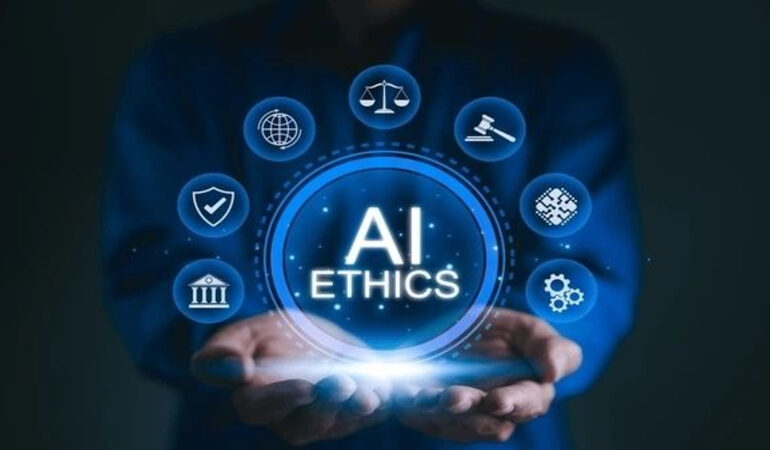

The Vatican’s doctrinal office has released new guidance outlining the role of moral theology in evaluating emerging questions related to artificial intelligence and bioethics. As technological developments continue to shape modern society, the Church aims to provide ethical clarity that helps the faithful understand how scientific innovations intersect with human dignity, responsibility, and moral decision making. The document reflects ongoing conversations within the Church about the need to integrate timeless principles with rapidly evolving scientific fields.
Church leaders emphasize that AI, biotechnology, and medical innovation present both opportunities and challenges. The doctrinal office intends for this clarification to support bishops, theologians, and pastoral workers who must address complex ethical questions in their ministries. The guidance stresses that Catholic moral teaching offers essential foundations for evaluating these topics, particularly regarding human life, freedom, and the common good.
Applying Moral Theology to Emerging Technologies
The doctrinal office highlights that moral theology provides a consistent framework for evaluating technological developments. This framework is rooted in the inherent dignity of the human person and the belief that scientific progress must serve humanity rather than diminish it. In the case of artificial intelligence, the Church underscores that technologies should be evaluated according to their impact on human relationships, social justice, and personal autonomy.
The document clarifies that while AI can support medical diagnosis, communication, and education, its use must respect privacy, human decision making, and the moral integrity of users. The Church maintains that technology cannot replace human judgment in matters that involve conscience or personal responsibility. This distinction helps guide the ethical use of tools that influence health care, employment, and social interaction.
In bioethics, moral theology plays a crucial role in assessing developments such as genetic research, reproductive medicine, and end-of-life care. The doctrinal office reiterates that the Church’s teachings protect human life at every stage and call for medical practices that uphold respect for both individuals and families. By grounding bioethical decisions in these principles, the Church aims to support ethical clarity in fields that evolve quickly.
Supporting Pastoral Workers Through Clear Ethical Guidance
The new clarification is intended to help pastors and educators address questions that arise in parishes, universities, and hospitals. As Catholics increasingly encounter technologies that influence daily life, pastors must be prepared to offer thoughtful guidance. The doctrinal office encourages clergy and lay leaders to study the ethical implications of AI and biotechnology to better support those seeking answers.
Training programs in seminaries and Catholic universities continue to integrate bioethics and technology ethics into their curricula. The guidance reinforces the importance of these programs, noting that ministers must be equipped to understand scientific developments and apply moral principles to real-world situations. This preparation allows Church leaders to help communities navigate complex issues such as data use, medical experimentation, and digital communication.
The doctrinal office also encourages collaboration between theologians and scientists. Interdisciplinary dialogue ensures that ethical reflection is informed by accurate scientific understanding and that scientific inquiry benefits from moral and philosophical insight.
Human Dignity as the Center of Ethical Reflection
A central theme of the guidance is the affirmation that human dignity remains the guiding principle in all ethical evaluations. Technologies that threaten personal dignity or undermine the value of human life are considered incompatible with Catholic moral teaching. The doctrinal office states that respect for the human person must shape decisions about medical interventions, digital tools, and social systems influenced by AI.
The document also emphasizes the importance of protecting vulnerable populations. The Church cautions that technological advancements should not widen social inequalities or exclude those who lack access to digital resources. Ethical evaluations must consider the broader social effects of technology, particularly regarding justice, inclusion, and care for the marginalized.
Upholding the Common Good in Scientific Innovation
The role of the common good features prominently in the doctrinal office’s clarification. Scientific and technological progress must contribute to the well-being of society rather than serve narrow interests. This includes evaluating how AI affects employment, how biotechnology impacts healthcare access, and how digital platforms influence social communication.
The Church encourages ongoing reflection on how innovations can be directed toward service, compassion, and greater participation in society. By emphasizing the common good, the doctrinal office aims to guide ethical decisions that reflect both individual dignity and collective responsibility.
Conclusion
The doctrinal office’s clarification on moral theology and emerging technologies underscores the Church’s commitment to addressing modern ethical challenges with clear and thoughtful guidance. By grounding AI and bioethics discussions in human dignity, the common good, and the principles of moral theology, the Church provides a framework that supports responsible scientific progress. This approach helps the faithful navigate complex developments while remaining anchored in the richness of Catholic moral teaching.