

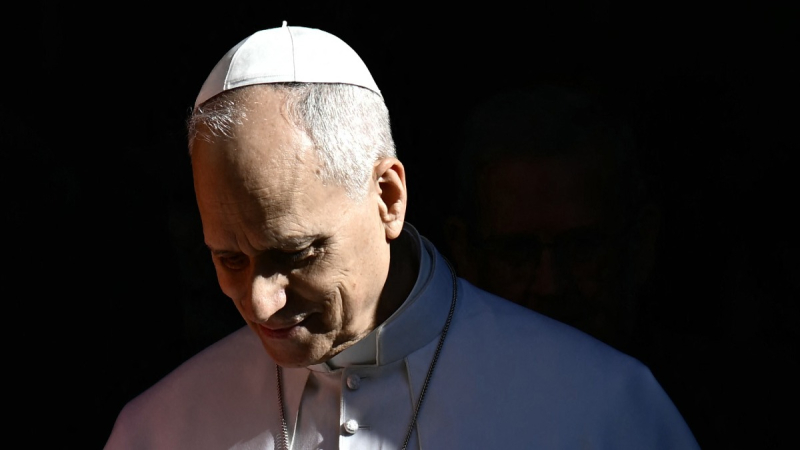
Doctrine Without Drama: Why the Vatican Is Avoiding Major Theological Declarations
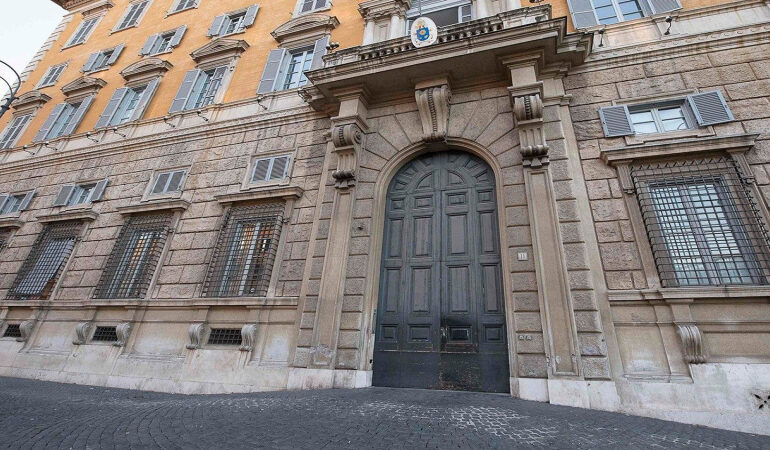

In recent years, many observers have noted a distinct shift in how the Vatican approaches doctrinal matters. Rather than issuing sweeping theological declarations, Church leadership has adopted a quieter and more restrained posture. This approach reflects a deliberate effort to safeguard doctrinal continuity while reducing unnecessary tension within a diverse global Church.
For Catholics accustomed to periods of intense theological debate, the current calm may appear unusual. Yet from a doctrinal perspective, restraint is not absence. It is often a sign of confidence in existing teaching and an acknowledgment that stability can be as formative as proclamation.
Continuity as a Theological Strategy
The Vatican’s avoidance of major doctrinal declarations is rooted in a belief that the Church’s core teachings remain intact and sufficient. Doctrine is understood not as a series of constant updates but as a coherent body of truth developed carefully over centuries. When clarity already exists, silence can serve unity better than repetition.
Theological continuity also protects the Church from reactive decision making. In a fast moving cultural environment, rapid declarations risk oversimplification. By maintaining doctrinal steadiness, the Vatican ensures that theology is shaped by reflection rather than urgency.
This approach aligns with historical precedent. Many periods of doctrinal stability in Church history were marked not by silence but by disciplined teaching and careful interpretation.
Avoiding Polarization Within the Global Church
One reason for doctrinal caution is the global nature of Catholicism. What resonates in one cultural context may create confusion or division in another. Major declarations can unintentionally intensify internal disagreements, particularly on sensitive moral or pastoral issues.
By emphasizing existing teaching rather than issuing new formulations, the Vatican reduces the risk of polarization. This allows local churches to apply doctrine pastorally within their own contexts while remaining anchored to shared principles.
This restraint also reflects awareness of how doctrinal language is received beyond the Church. Statements intended for theological clarity can quickly be interpreted through political or cultural lenses, distorting their meaning.
The Role of Theological Discipline
The Vatican’s approach reflects a strong commitment to theological discipline. Doctrine develops through careful study, consultation, and consensus rather than public pressure. This process values depth over immediacy and coherence over novelty.
Internal theological work continues even when public declarations are limited. Commissions, academic dialogue, and pastoral guidance all contribute to doctrinal life without requiring formal proclamations. This quieter work often shapes teaching more effectively than high profile documents.
The absence of dramatic declarations should not be mistaken for stagnation. Instead, it signals a preference for formation through continuity and teaching rather than announcement.
Responding to a Culture of Constant Debate
Modern media environments reward controversy and rapid response. The Vatican’s restraint stands in contrast to this dynamic. By avoiding dramatic theological interventions, the Church resists being drawn into cycles of reaction that can undermine thoughtful discourse.
This posture also reinforces the Church’s understanding of doctrine as enduring rather than trend driven. Theology is not shaped by news cycles but by long term reflection on faith and reason. In this sense, silence can be a form of teaching.
For many Catholics, this stability offers reassurance. It signals that core beliefs are not subject to constant revision, even amid cultural change.
Conclusion
The Vatican’s decision to avoid major theological declarations reflects confidence in doctrinal continuity and respect for theological discipline. By choosing restraint over drama, the Church preserves unity, depth, and credibility. In a world driven by urgency, this quiet consistency remains one of Catholicism’s defining strengths.