
Eastern Churches Highlight Leadership, Financial Strains and Global Solidarity

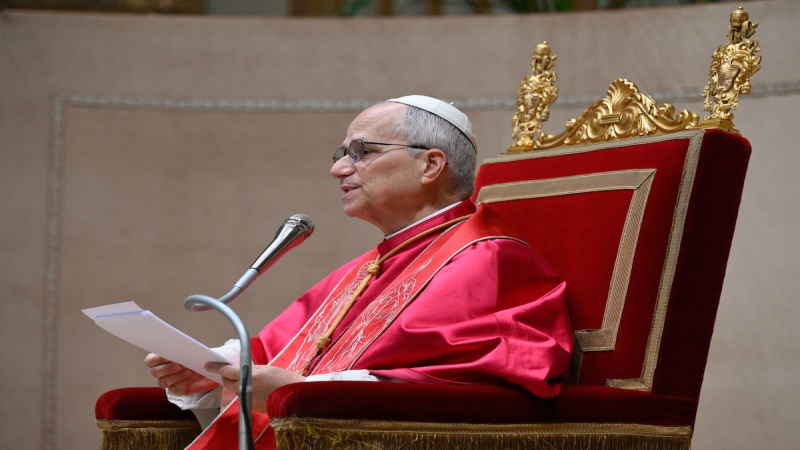
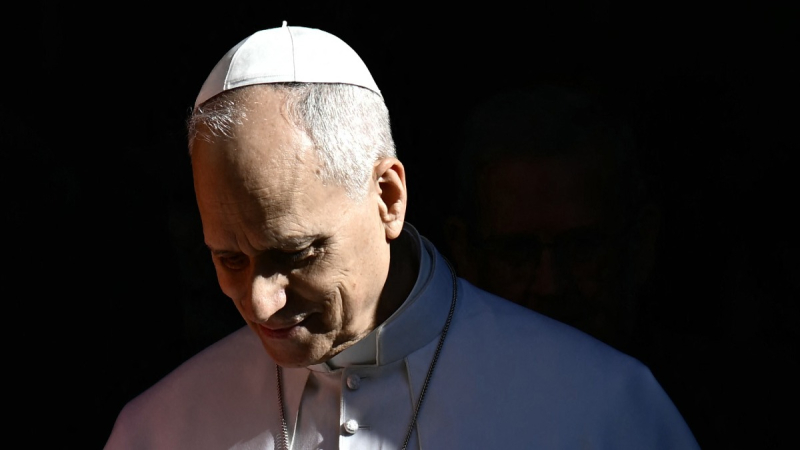
The Eastern Christian landscape saw significant developments this week, marked by a transition in Romania, financial alarms in Lebanon and a global expression of solidarity through RedWeek2025. In Blaj, the Romanian Greek Catholic Church welcomed its new Major Archbishop, Claudiu Lucian Pop, during a ceremony that brought together clergy, laity and representatives from the wider Catholic community. His message centered on strengthening unity within the Church and deepening cooperation with Rome, themes that carry particular weight in a region where ecclesial identity, national history and cultural tensions overlap. His call for collaboration with other religious communities also reflects broader efforts in Eastern Europe to stabilize interreligious relations after years of political shifts. Meanwhile, Lebanon continues to confront severe institutional pressure as new findings indicate that state authorities have failed to deliver millions in legally mandated payments to Church-run hospitals, schools and disability centers. The report raises concerns about the sustainability of essential services during a period when many families depend on Church institutions for stability.
Lebanon’s financial crisis has long strained Christian institutions that operate as pillars of social support, and the latest analysis paints a stark picture of how prolonged funding gaps have jeopardized their operations. Representatives from Christian, Muslim and Druze groups described the consequences for vulnerable communities, noting that delayed subsidies have forced institutions to reduce staff, cut programs and limit patient capacity. For many organizations founded to serve the public good, the financial shortfall has created challenges that threaten their long term viability. The situation also underscores the shifting dynamics of religious cooperation in Lebanon, where interfaith advocacy has become essential in pushing for government accountability. At the same time, the release of the report highlights the need for renewed international attention as Lebanon’s social infrastructure continues to erode. Many Catholic institutions remain committed to their mission despite these pressures, but the depth of the crisis has increased the urgency for sustainable solutions. Their struggle reflects broader regional patterns in which Churches absorb social responsibilities during periods of state fragility.
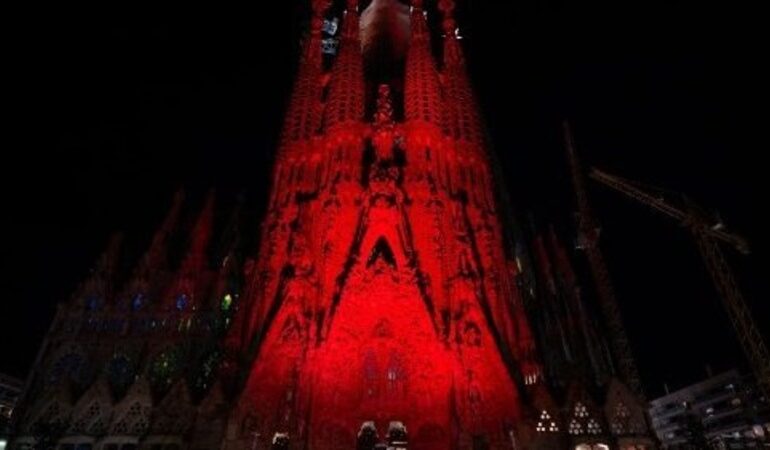
Against this backdrop of local transition and financial instability, RedWeek2025 has emerged as a unifying global effort drawing attention to restrictions on religious freedom. More than half a million participants are expected across multiple continents, with over six hundred churches and public buildings scheduled to be illuminated in red. Events and prayer vigils aim to highlight the realities faced by Christian minorities and other communities living under discrimination or conflict. According to recent reports, more than four hundred million Christians reside in countries where freedom of worship is heavily curtailed, with those in the Middle East particularly exposed to violence and displacement. The initiative serves as a reminder that religious freedom remains a central challenge in global human rights and that Churches continue to mobilize awareness even amid internal pressures and regional instability.