

Emerging Christian Artists Redefine the Sound of Faith Through Rap, Afrobeats and R&B
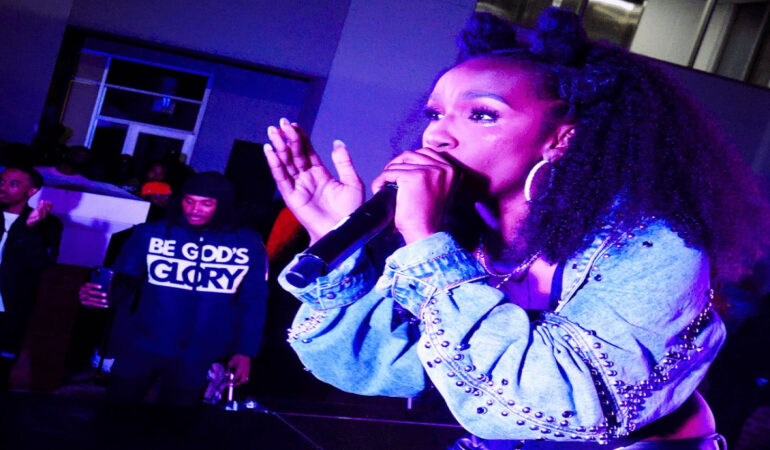

A growing wave of emerging artists is reshaping the sound and scope of Christian music by blending faith based messages with rap, Afrobeats and R&B, drawing younger global audiences who are seeking spiritual depth expressed through contemporary sounds.
Boosted largely by social media and streaming platforms, many of these artists began independently, uploading self produced tracks before gaining attention from larger labels and curated playlists. Industry executives say interest in these subgenres has expanded notably since 2022, as listeners look for music that is uplifting, culturally relevant and grounded in faith.
James Trig Rosseau Sr., CEO of Holy Culture Radio, said audiences are searching for something meaningful that also feels sonically familiar. He described the appeal as a balance between positive messaging and the musical styles young listeners already embrace in their daily lives.
Christian hip hop gained wider recognition more than a decade ago when Lecrae Moore won a Grammy, opening doors for broader acceptance of faith based rap. Today, newer artists are experimenting with subgenres of rap while incorporating Afrobeats rhythms that reflect West African musical traditions. Nigerian artist Limoblaze, now signed to Reach Records, is among those expanding Christian Afrobeats to international audiences.
Artists such as Ryan Ofei, who transitioned from group performances to a solo Afrobeats and R&B fusion career, describe their work as less overtly preachy yet still spiritually intentional. They argue that the music serves as a powerful evangelistic tool for listeners who may not attend church but are open to faith infused content.
Female artists are also shaping the genre’s direction. Jackie Hill Perry has emphasized the importance of crafting music that is culturally authentic while avoiding explicit content. Childlike CiCi, who previously recorded secular trap music before converting to Christianity, now produces faith centered rap influenced by trap and drill, challenging stereotypes that Christian hip hop must sound simplistic.
Streaming platforms have begun to respond. Amazon launched its first Afrogospel playlist in recent years, while Spotify and other services have expanded Christian hip hop and Afrobeats categories. Although streaming numbers remain smaller compared to mainstream genres, industry observers note that the fanbase is highly engaged and loyal.
The movement has also crossed into larger music spaces. Christian rappers have performed at major festivals such as Rolling Loud Miami, signaling that faith driven artists are no longer confined to traditional church settings or Christian only events.
Music scholars note that Black church traditions have long evolved through cultural shifts, from gospel choirs to contemporary worship styles. Today’s diversity reflects the reality that there is no single sound that defines Christian expression. Alternative artists like Sondae and R&B singers such as CèJae explore personal themes including doubt, heartbreak and spiritual struggle while remaining rooted in biblical faith.
Challenges persist. Industry buy in, radio exposure and award category representation remain limited compared to mainstream counterparts. Still, label executives say production quality and artistic depth have improved significantly over the past decade.
For many artists, the growth of Christian rap, Afrobeats and R&B is less about commercial success and more about authenticity. They aim to create music that resonates culturally while maintaining theological conviction, offering listeners an alternative that feels both contemporary and spiritually grounded.