


Ethical AI from a Christian Perspective and the Future of Human Decision Making


Artificial intelligence has moved from theoretical discussions into everyday life, influencing global industries, shaping public communication, and transforming the way decisions are made. As AI continues to expand its reach, the question of how society should guide its development has become more urgent. For many observers, the ethical responsibilities surrounding AI demand more than technical expertise. They require moral grounding, long-term vision, and a commitment to human dignity. These principles have always been central to Christian thought, making the Church an important voice in shaping the ethical future of technology.
The Vatican and global Christian communities have increasingly expressed concern about how AI will affect human identity, social structures, and moral responsibility. While technology offers opportunities for progress, it also presents challenges involving privacy, fairness, and the proper balance between human judgment and automated systems. The debate is no longer only about innovation but about the values that guide its direction.
Human Dignity at the Center of Ethical AI
Christian teaching emphasizes that every person possesses inherent value. This belief forms the foundation of ethical decision making, especially when considering how AI systems influence society. When algorithms determine what information people see, how they work, or how their data is used, the need to protect human dignity becomes central. AI must be designed in ways that respect individual rights, promote fairness, and avoid reducing people to data points.
By placing human dignity at the core of technological development, faith communities urge designers and policymakers to ensure that automation never replaces human responsibility. Instead, technology should support the common good and expand the opportunities available to all people. This perspective offers a clear moral framework for evaluating new tools and adopting them responsibly.
AI in Governance and the Challenge of Transparency
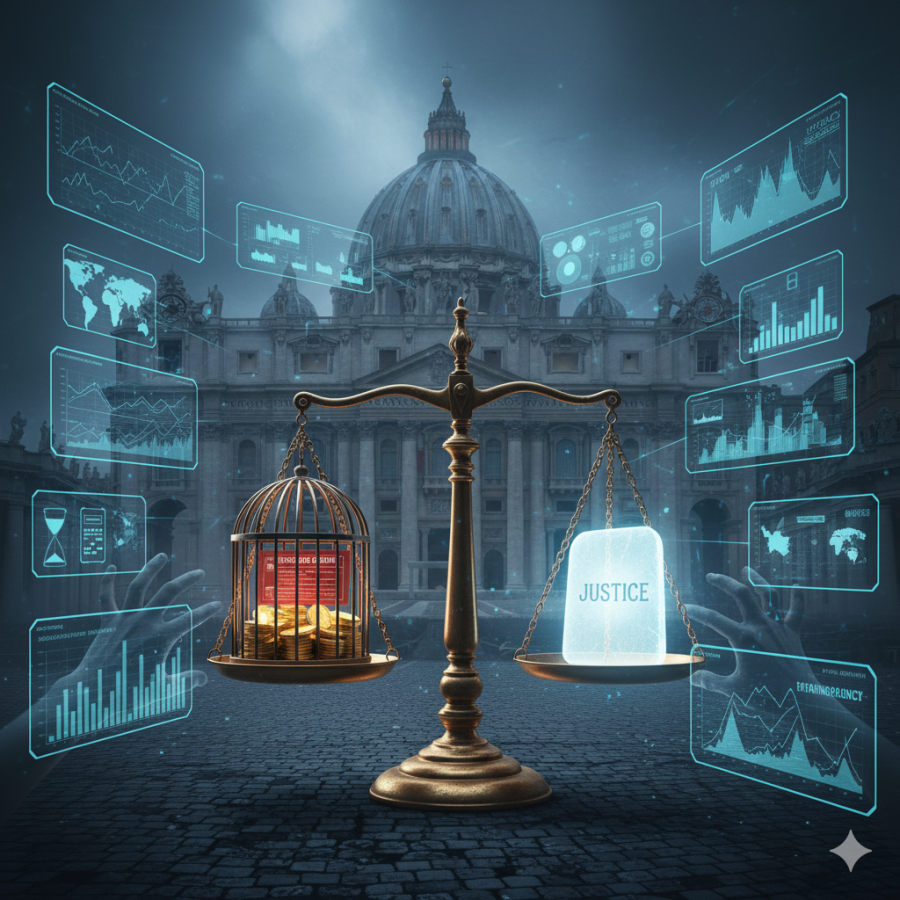
AI increasingly influences governance, business operations, and public systems. This brings questions about transparency, accountability, and potential misuse of power. Christian ethicists argue that systems affecting human lives must remain open to scrutiny, especially when they have the potential to shape economic outcomes or social structures. Hidden algorithms risk creating inequality, bias, or unintended harm if not monitored carefully.
The Vatican has encouraged conversations between technologists, social scientists, and moral leaders to identify how AI governance can be designed with clarity and fairness. These efforts aim to prevent systems that concentrate power in the hands of a few, ensuring that technology remains a tool for service rather than control.
AI and the Future of Work
Automation is reshaping labor markets across the world, raising concerns about economic displacement and the need for new skills. Christian perspectives highlight the importance of supporting workers through transitions and promoting economic policies that reflect compassion and justice. Technological change should not leave communities behind but instead encourage new opportunities for meaningful work.
Many organizations have begun exploring how AI can improve work without removing the sense of purpose that employment provides. This balance is essential for both economic stability and long-term human well-being. When guided by ethical principles, technology can enhance productivity while preserving the value of human contributions.
Addressing Fears and Building Trust in AI
Public concern about AI often stems from uncertainty. People worry about privacy, surveillance, and the loss of personal control in a highly digital world. Christian leaders emphasize that trust can only be built through open communication, responsible development, and systems that respect freedom and personal agency. By engaging communities in discussions about AI, the Church helps ensure that technological progress remains aligned with human values.
There is also growing interest in how AI can be used for positive purposes, such as improving education, advancing medical research, or supporting humanitarian work. These possibilities demonstrate that ethical AI is not just about preventing harm but encouraging innovations that uphold justice and compassion.
Conclusion
The future of AI depends not only on technical advancements but on the moral principles guiding its development. A Christian perspective places human dignity, fairness, and responsibility at the center of technological progress. By engaging thoughtfully with the challenges and opportunities AI presents, the Church can help shape a world where technology serves humanity and supports the common good.