

Ethics in Vatican Finance: Balancing Morality and Market Logic
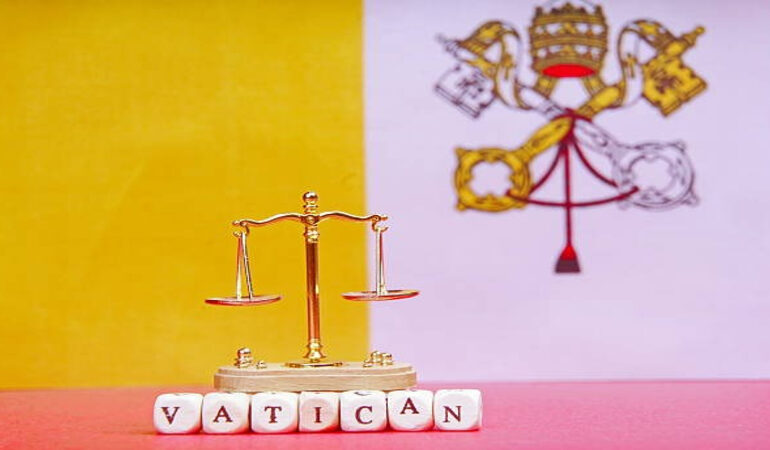

Ethical finance has become a defining theme in global markets, yet few institutions approach it with the depth and continuity seen in the Vatican. As both a spiritual authority and a sovereign state, the Holy See must maintain a financial system that reflects Catholic teaching while supporting the practical realities of a worldwide mission. This balance between moral responsibility and economic necessity shapes every aspect of Vatican financial activity.
For many observers, the Vatican provides a unique case study in how ethical principles can be embedded into long-term financial planning. Its commitment to moral consistency has led to strict investment filters, internal oversight structures and a deliberate focus on sectors that promote dignity and social welfare. Understanding this balance helps explain how the Vatican navigates modern markets without compromising its foundational values.
Moral Framework Guiding Vatican Financial Choices
The Vatican’s financial ethics are grounded in Catholic social teaching, a set of principles emphasizing human dignity, solidarity and responsible stewardship. These teachings serve as the foundation for determining which investments align with church values. They also shape how financial offices evaluate risk, manage resources and support mission-driven work.
In practical terms, this framework excludes investments in industries that conflict with Catholic doctrine, such as weapons manufacturing, exploitative labor practices or activities considered harmful to human well-being. While these restrictions limit the range of available options, they foster a financial identity rooted in responsibility and moral clarity. The Vatican prioritizes investments that reflect sustainable development, human rights and long-term social benefit.
How Ethical Screens Influence Financial Strategy
Ethical filters remain central to Vatican portfolio management. Every potential investment is reviewed not only for financial performance but also for alignment with moral guidelines. This process creates a disciplined approach that emphasizes long-term stability rather than speculative profit.
These filters require ongoing reevaluation as global markets continue to change. New technologies, emerging industries and shifting geopolitical conditions can introduce ethical uncertainties. Vatican analysts must therefore assess both the financial and moral implications of each decision. This ongoing review reflects the Vatican’s effort to ensure that economic choices remain consistent with its role as a guardian of faith and social justice.
The Relationship Between Ethics and Transparency
As global expectations for accountability grow, transparency has become a core component of ethical finance. The Vatican has introduced reforms aimed at improving oversight, strengthening recordkeeping and establishing clearer investment rules. These measures help prevent mismanagement and ensure that financial practices reflect both legal and moral standards.
Strengthening transparency also reinforces trust among the global Catholic community. Clearer reporting, independent audits and defined responsibilities make it easier for observers to evaluate how resources are being used. By combining ethical guidelines with administrative reforms, the Vatican demonstrates a commitment to responsible governance that extends beyond financial performance alone.
Ethics in Action Through Social and Humanitarian Impact
One of the clearest expressions of ethics in Vatican finance is its ongoing support for global humanitarian efforts. Funds managed through Vatican institutions help sustain hospitals, schools, relief agencies and community programs throughout the world. These initiatives reflect a financial strategy that prioritizes social impact over high returns.
This focus extends to investment choices that promote environmental stewardship, social development and human welfare. By supporting companies and sectors that align with these goals, the Vatican integrates its moral mission directly into its financial footprint. This combination of ethical direction and global reach demonstrates how values-based finance can influence markets without relying on aggressive economic tactics.
Conclusion
The Vatican’s approach to ethical finance reflects a commitment to moral clarity, responsible stewardship and transparent governance. By aligning financial decisions with core Catholic principles, the Holy See continues to demonstrate how ethical frameworks can guide economic activity in a complex global market.