

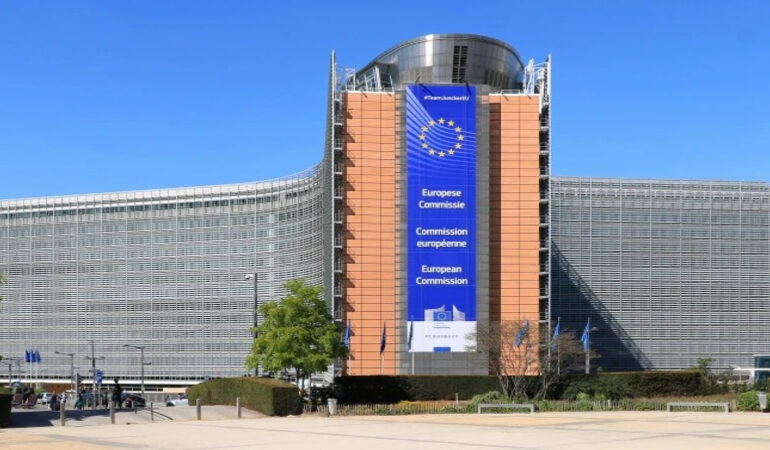

A decision by European Union authorities to halt funding for a Catholic family advocacy group has triggered a financial crisis that is now drawing wider attention across Church and policy circles. The Federation of Catholic Family Associations in Europe, a Brussels based organization representing dozens of groups across the continent, has reported that all of its recent applications for EU support were rejected. The association argues that the refusals were linked to assessments claiming insufficient alignment with certain equality and gender related criteria. For the organization, the outcome has immediate consequences, placing ongoing projects and staffing at risk. The situation has highlighted growing tensions between faith based civil society organizations and evolving EU funding frameworks, particularly where interpretations of values and social policy diverge.
The funding freeze affects applications submitted under major EU programs designed to support civil society, education, and rights based initiatives. According to the association, the rejected projects focused on child protection, youth welfare, and social support, areas traditionally seen as aligned with public interest objectives. Critics of the decision within European political circles have described it as discriminatory, arguing that organizations should not be excluded from public funding solely because they draw inspiration from religious social teaching. Members of the European Parliament have raised formal questions seeking clarification on whether equal treatment standards were applied consistently. The controversy has fueled debate over how pluralism is defined in practice, particularly when organizations rooted in religious identity participate in the public policy space.
For the Catholic association, the financial impact is severe and immediate. Leadership has warned that without emergency support, the group may be forced to reduce staff and scale back its engagement at the European level in the coming year. The situation has been framed not only as a budgetary challenge but as a broader issue concerning freedom of association and the role of faith inspired organizations in democratic societies. Observers note that similar disputes could become more frequent as regulatory and ideological expectations around funding evolve. Within Vatican linked discussions, the case is being closely watched as an example of how institutional Catholic voices navigate regulatory environments while defending their right to contribute to debates on family, social cohesion, and human dignity within Europe’s political framework.