

European Catholics Reassess Role of Tradition as Secularization Deepens

Across Europe, Catholic communities are reexamining the place of tradition in their spiritual and cultural lives as secularization continues to reshape public attitudes toward faith. Many regions are experiencing declining church attendance, generational shifts in religious identity, and growing public indifference to institutional expressions of faith. In response, clergy and lay leaders are engaging in renewed discussions about how traditional practices, teachings, and rituals can remain meaningful in a changing cultural landscape.
This reassessment reflects a desire to preserve the richness of Catholic tradition while adapting pastoral approaches to contemporary realities. Communities are exploring ways to integrate traditional devotion with new forms of engagement that resonate with younger generations. The process involves balancing respect for long-standing practices with a commitment to accessibility, participation, and dialogue within increasingly secular societies.
Tradition as a Source of Identity in Secular Contexts
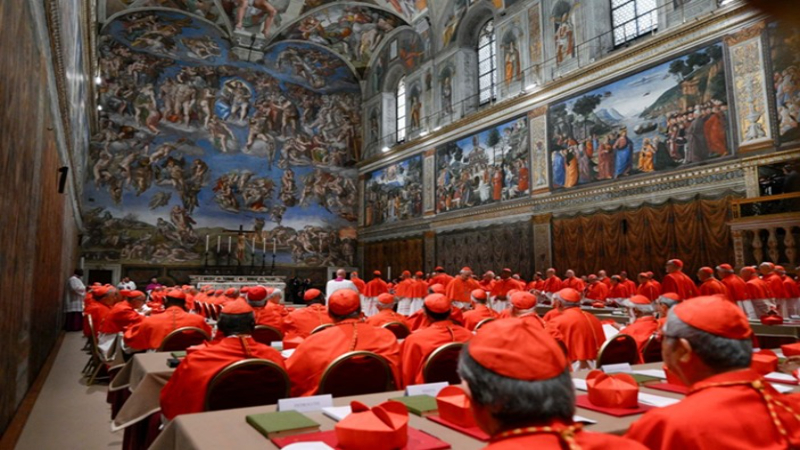
The most significant insight emerging across European communities is that tradition continues to serve as a vital source of identity, even for individuals who no longer participate regularly in church life. Many Catholics associate tradition with cultural heritage, family memory, and spiritual continuity. Rituals such as feast days, liturgical celebrations, and seasonal devotions maintain a strong presence in public consciousness, even in secular environments.
Church leaders note that these traditions offer opportunities for renewed engagement. When presented thoughtfully, they serve as entry points for individuals who may feel distant from institutional faith but remain connected to cultural expressions of Catholic life. The preservation of tradition helps maintain a sense of rootedness and offers a shared language for discussing moral and social concerns in pluralistic societies.
Adapting Traditional Practices for Contemporary Worship
As secularization influences expectations around participation and communication, many European parishes are adapting traditional practices to make them more accessible. This may include providing clearer explanations of rituals, incorporating local languages, or offering educational programs that help younger generations understand the historical significance of traditional forms of prayer and liturgy.
These adaptations aim to deepen participation without altering the essential content of tradition. Parishes are finding that when traditions are presented with renewed clarity, they can inspire curiosity and invite deeper reflection. This approach helps bridge the gap between long-established practices and contemporary experiences of faith.
The Influence of Youth and New Cultural Expressions
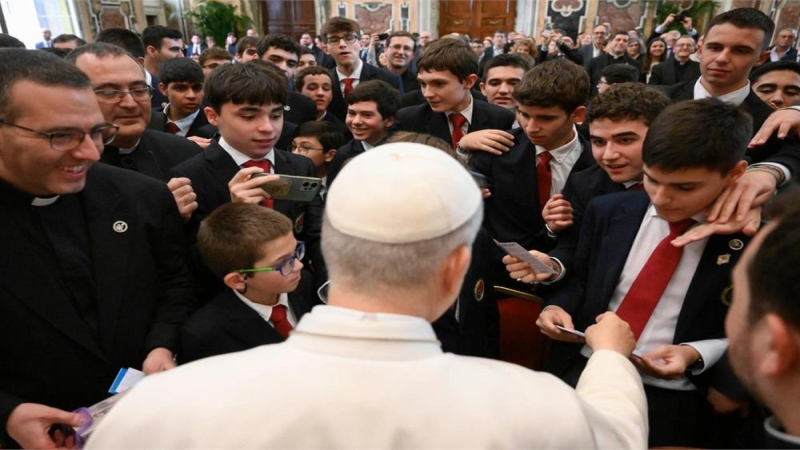
Younger Catholics play an important role in redefining how tradition is understood and practiced. While many young people in Europe identify less strongly with institutional religion, those who remain active in the Church often express appreciation for symbols, rituals, and spiritual practices grounded in history. Youth communities are integrating traditional devotions with modern forms of cultural expression, such as music, art, and digital communication.
This blending of tradition and creativity reflects a desire to connect ancient wisdom with present-day experiences. Youth leaders note that tradition offers stability and meaning in a cultural environment that often feels fragmented. By bringing tradition into contemporary spaces, young Catholics contribute to revitalized expressions of faith that speak to their peers.
Reconsidering Tradition in Social and Ethical Conversations
Another aspect of the reassessment involves the role of tradition in shaping ethical and social reflection. European Catholics are engaging in discussions about how traditional teachings address issues such as environmental stewardship, social justice, and human dignity. In many communities, tradition is viewed not as a static collection of rules but as a dynamic resource that informs responses to modern challenges.
This perspective encourages dialogue between generations and fosters deeper understanding of how Catholic teaching develops over time. It also underscores the relevance of tradition in public debates, particularly in societies where moral perspectives are increasingly diverse.
Conclusion
As secularization deepens across Europe, Catholic communities are reassessing how tradition can remain a meaningful part of spiritual and cultural life. Through renewed engagement with rituals, adaptive pastoral approaches, youth-driven creativity, and thoughtful ethical reflection, tradition continues to offer stability and insight in a rapidly changing environment. These efforts highlight the enduring value of heritage and the importance of presenting tradition in ways that speak to both cultural memory and contemporary experience.