

European Legislatures Debate Religious Freedom Safeguards as New Tech Privacy Laws Take Shape


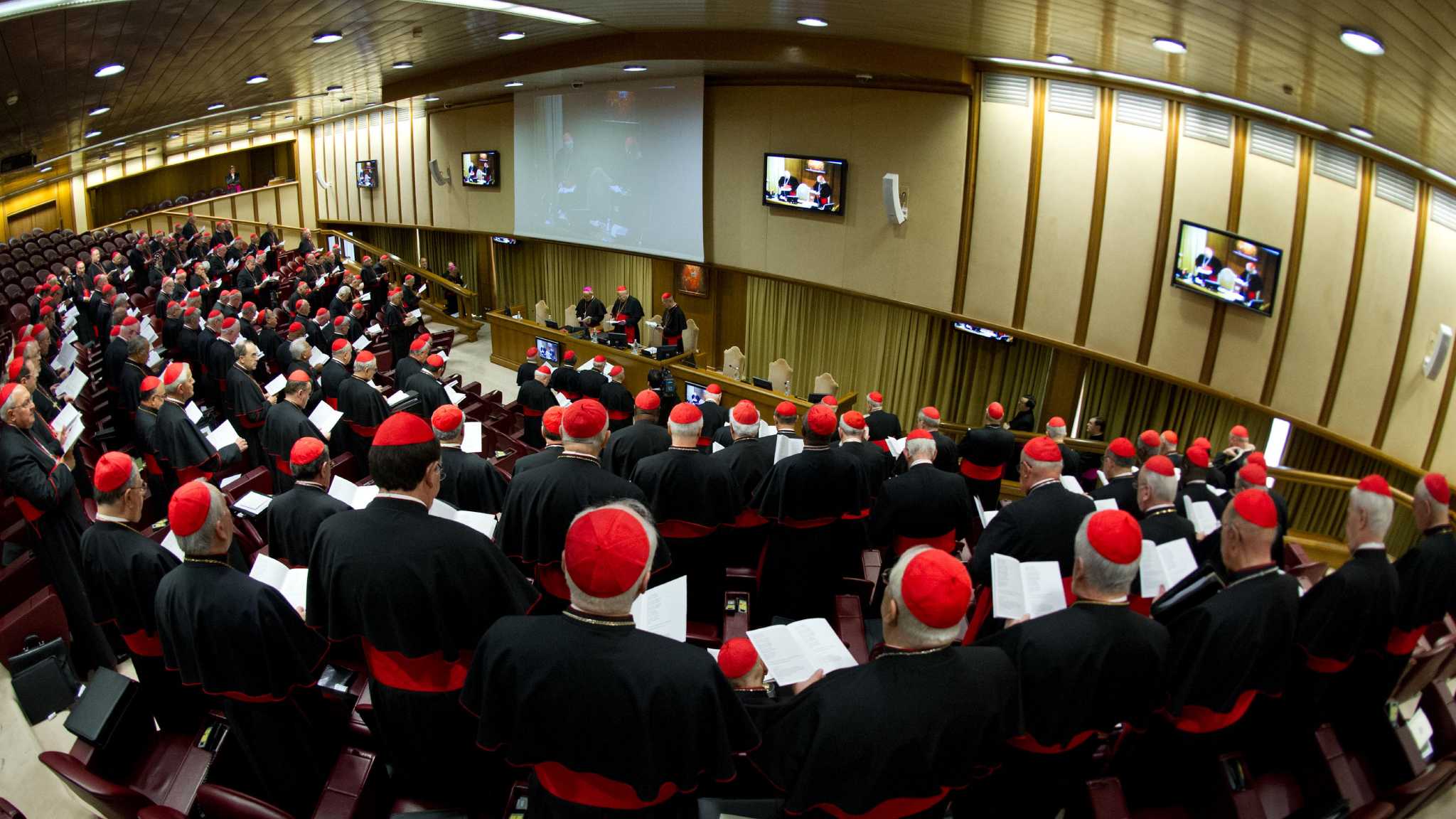
Across Europe, lawmakers are examining how emerging technology privacy regulations intersect with long-standing protections for religious freedom. As governments refine legislation related to data security, biometric identification, and digital tracking, Church leaders and legal experts are raising questions about how these policies may affect religious institutions, pastoral confidentiality, and the rights of believers. The ongoing debate reflects a growing need to balance public interest in technological regulation with the legal protections afforded to religious communities.
The rapid expansion of digital infrastructure has heightened public concern about privacy, surveillance, and accountability. Legislators aim to strengthen protections for citizens, yet the complexity of digital systems has created areas where new regulations may unintentionally affect religious practices or restrict the autonomy of faith-based organizations. These developments have prompted renewed dialogue between policymakers, legal scholars, and Church representatives who seek to ensure that religious freedom remains secure as technology policy evolves.
Protecting Pastoral Confidentiality in a Digital Regulatory Environment
The issue receiving the most attention involves the protection of pastoral confidentiality. As new laws expand reporting obligations and data retention requirements, religious leaders want clarity on how these rules apply to sacramental and pastoral settings. Confidentiality in spiritual counseling is considered essential to the trust between clergy and parishioners, and any policy that risks compromising this confidentiality raises significant concern.
Legal experts note that many nations already recognize pastoral confidentiality within their legal frameworks. However, new data privacy rules that require institutions to disclose information under certain circumstances may create uncertainty. Religious communities are urging lawmakers to write explicit safeguards that prevent digital monitoring systems or automated data collection from intruding into pastoral contexts. These safeguards aim to preserve not only privacy but also the spiritual integrity of religious ministry.
Balancing National Security Measures With Religious Rights
Another dimension of the debate concerns national security measures that rely on biometric technology, digital tracking systems, or expanded identification requirements. While governments view these tools as essential for security and public order, religious leaders caution that overly broad surveillance measures could erode civil liberties, including freedom of worship and association.
Some faith-based organizations express concern about the potential for profiling or heightened scrutiny of religious groups in certain contexts. Experts argue that technology policies must include clear limitations, transparent oversight, and mechanisms that protect individuals from discrimination. Ensuring that security measures do not restrict religious activities remains a central priority in legislative discussions.
Digital Governance and the Status of Religious Institutions
New privacy laws also have implications for how religious institutions manage data related to sacraments, membership, and community engagement. Parishes and dioceses maintain records that include sensitive personal information, and these records must now comply with stricter rules governing data storage, consent, and processing. Church leaders recognize the importance of responsible data stewardship but seek assurances that regulations will not impose unrealistic administrative burdens on smaller communities with limited resources.
Additionally, faith-based organizations are evaluating how to update governance practices to meet new standards while protecting the spiritual character of their work. Many dioceses are introducing training programs for administrative staff and investing in secure digital systems. These efforts help religious institutions comply with regulations while ensuring their mission remains central to their administrative structures.
Strengthening Dialogue Between Legislators and Faith Communities
A positive outcome of the ongoing legislative debates is the increased dialogue between religious communities and policymakers. Lawmakers in several countries are consulting Church representatives to better understand how new regulations may influence religious practice. This dialogue encourages balanced policymaking that respects both public interest and fundamental freedoms.
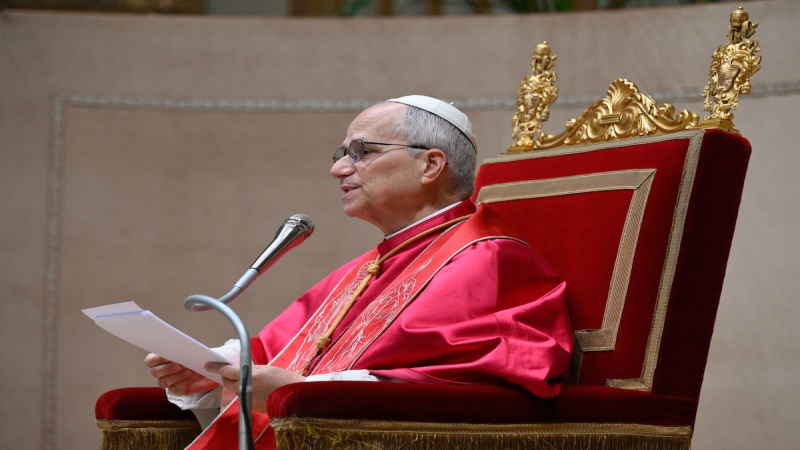
Church leaders emphasize that their engagement is not an attempt to exempt religious institutions from accountability but a call to ensure that legislation recognizes the distinct role of religion in society. By participating in the policy process, religious organizations help shape laws that protect privacy, support innovation, and preserve the rights that underpin democratic life.
Conclusion
As European legislatures develop new technology privacy laws, religious freedom has become an important part of the conversation. The debates highlight the need to protect pastoral confidentiality, ensure that security measures do not infringe on worship, and support responsible governance within religious institutions. Through ongoing dialogue and thoughtful policy design, governments and faith communities can work together to uphold both technological responsibility and the essential freedoms that sustain religious life.