




Faith and Family: New Studies Show Rising Interest in Christian-Based Community Structures
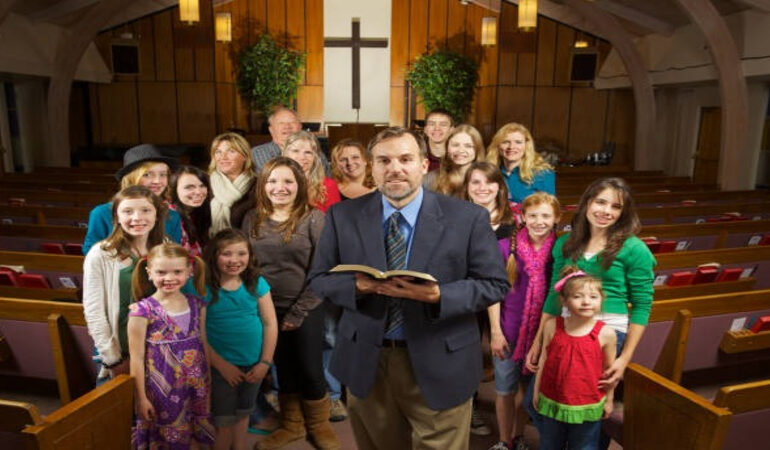

Recent studies indicate a growing interest in Christian based community structures as families seek stronger social bonds, shared values and supportive environments amid widespread cultural change. Researchers note that many households are turning toward faith centered communities to find stability, moral guidance and meaningful relationships in response to increasing social fragmentation. These findings highlight a renewed desire for community life rooted in trust, compassion and shared identity.
The studies also suggest that families are looking for communal settings where faith can be lived in practical, everyday ways. This includes participation in parish life, small groups, service initiatives and educational programs that reinforce Christian values. As concerns about isolation, shifting cultural norms and digital influence rise, many families believe that faith based communities offer a healthier setting for personal growth and family formation.
Growing interest in value centered community life
A key trend emerging from the studies is the desire for environments where families can cultivate stable relationships and shared moral foundations. Many respondents expressed that Christian communities provide a sense of belonging not easily found in modern social structures. Parishes, prayer groups and family ministries often offer consistent support, fostering friendships that strengthen both family life and individual well being.
Researchers observed that families appreciate these communities for their focus on service, compassion and responsibility. Such values provide a framework that helps guide children and adults through challenges and decision making. The rise in interest suggests that people increasingly view value centered communities not simply as religious spaces but as essential pillars of social support.
The appeal of faith based support for parents and youth
Another strong finding in the research is the growing demand for programs that assist parents and offer guidance to young people. Many families feel overwhelmed by rapidly changing social environments and seek faith rooted approaches to navigating issues such as mental health, digital influence and peer pressure. Christian based communities often provide resources like parenting workshops, youth ministries and mentoring programs that promote responsible, balanced living.
These programs help youth develop confidence, self discipline and respect for others. Families surveyed noted that these spaces encourage young people to explore their faith in ways that are relatable and supportive. They also foster mentorship relationships that help guide youth as they transition through different stages of life.
Strengthening intergenerational relationships through shared faith
Studies also highlight that Christian based communities often play an important role in strengthening intergenerational bonds. Events such as parish gatherings, shared meals, retreats and service projects bring together people of different ages, allowing them to learn from one another. These interactions help foster mutual respect and deeper understanding within families and the broader community.
Intergenerational relationships contribute to emotional security, provide wisdom for younger generations and encourage older adults to remain active in meaningful ways. Families reported that these connections are increasingly valuable as contemporary life tends to separate age groups through work patterns, mobility and technology.
Community structures that promote resilience and social responsibility
Christian based community structures also encourage families to take active roles in promoting the well being of others. Service projects, charitable initiatives and local outreach programs invite families to participate in efforts that strengthen neighborhood life. These activities build resilience by creating networks of mutual support and instilling habits of generosity.
Researchers noted that when families engage in such collective efforts, they develop a stronger sense of purpose and responsibility. This contributes not only to personal fulfillment but also to the stability of the communities they serve. The studies suggest that these forms of engagement help counter feelings of isolation and foster a stronger sense of unity.
Conclusion
New studies show that Christian based community structures are becoming increasingly appealing to families seeking stability, shared values and supportive relationships. Through spiritual formation, intergenerational connection and community engagement, these environments offer a meaningful response to the challenges of modern life and strengthen the social fabric that families rely on.