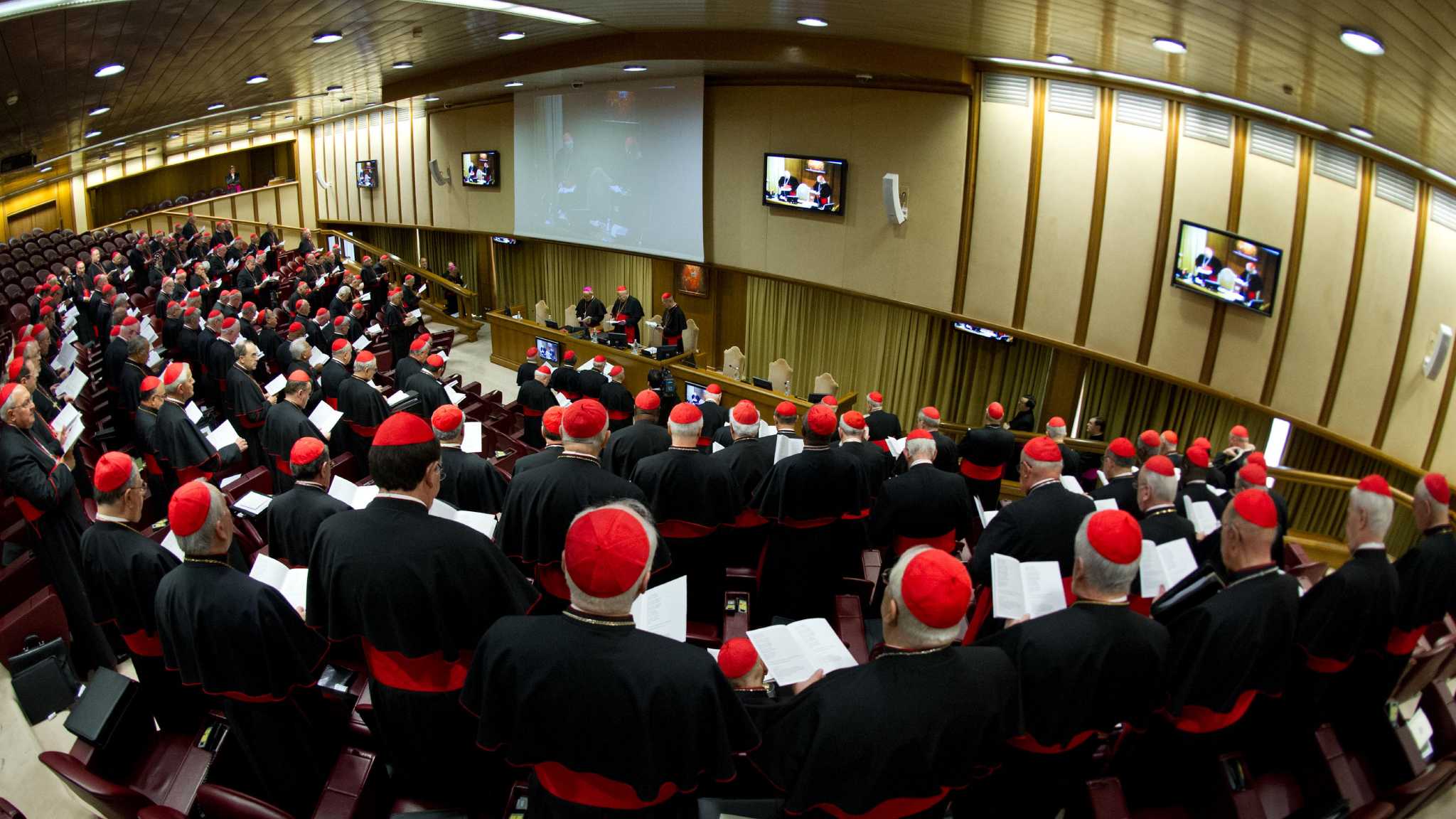


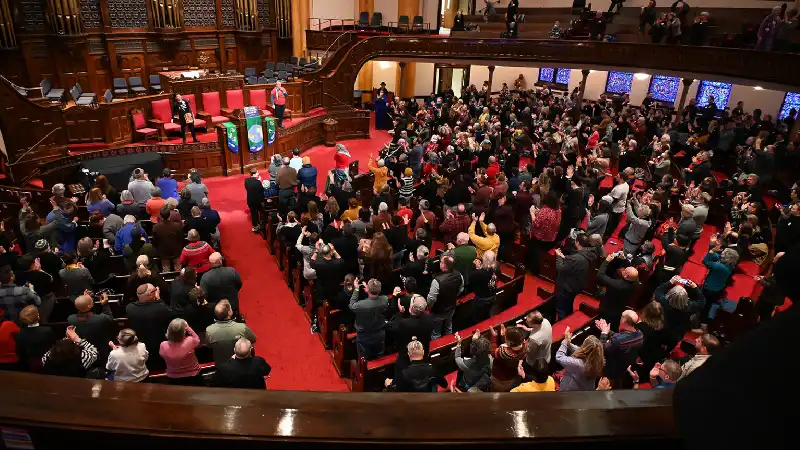

Faith and Law in Modern Europe: Where Cooperation Ends and Conscience Begins


Across modern Europe, the relationship between faith and state is increasingly defined by legal negotiation rather than shared tradition. Secular governance has become the dominant framework, yet religion continues to shape cultural identity, social services, and ethical debate. This coexistence has produced cooperation in some areas and tension in others, especially where law intersects with conscience.
In 2026, legal disputes involving religious expression, institutional autonomy, and moral conviction are no longer isolated cases. They reflect broader questions about how pluralistic societies balance neutrality with freedom. The challenge is not whether church and state should cooperate, but where the boundaries of that cooperation must be drawn to protect both democratic order and moral integrity.
The Legal Framework of Religious Freedom in Europe
European legal systems formally recognize freedom of religion as a fundamental right. This includes not only private belief but also public expression and institutional practice. Courts have repeatedly affirmed that religious freedom is essential to democratic society, even within secular states.
At the same time, legal frameworks emphasize neutrality. Governments are expected to avoid privileging one belief system over another. Tension arises when neutrality is interpreted as restriction rather than protection. Laws designed to regulate public order, education, or equality can unintentionally limit religious expression.
The result is a growing body of case law that seeks to define acceptable limits without eroding core freedoms. These decisions shape how faith communities operate within modern legal environments.
Secular Governance and the Question of Neutrality
Secularism in Europe was originally intended to prevent state control over religion. In practice, it has sometimes evolved into an expectation that religion withdraw from public space. This shift raises questions about whether neutrality means absence or accommodation.
When laws restrict religious symbols, speech, or institutional governance, they often do so in the name of uniformity. Yet uniformity is not the same as fairness. True neutrality allows diverse convictions to coexist without forcing them into invisibility.
Legal debates increasingly revolve around whether secular governance can remain neutral while acknowledging that religious identity remains a legitimate part of public life.
Conscience Rights and Institutional Integrity
One of the most sensitive areas of church and state interaction involves conscience. Individuals and institutions grounded in moral belief may face legal obligations that conflict with their ethical convictions. Healthcare, education, and social services are frequent points of tension.
Conscience protections exist in many legal systems, but their scope is contested. Critics argue that exemptions undermine equality, while supporters maintain that forcing compliance violates moral freedom. Courts are often tasked with balancing these competing claims.
For faith based institutions, conscience is not optional. It forms the foundation of their mission. When law disregards this reality, cooperation becomes coercion rather than partnership.
Cooperation Without Absorption
Historically, cooperation between church and state has benefited society through education, charity, and social cohesion. These partnerships function best when each respects the limits of the other. The state provides legal structure, while the Church contributes moral insight and social service.
Problems emerge when cooperation turns into absorption, where legal frameworks attempt to redefine religious identity according to political priorities. This undermines trust and weakens civil society.
In 2026, sustainable cooperation depends on recognizing that faith communities are not extensions of the state, but independent moral actors within it.
Conclusion
The evolving relationship between faith and law in Europe reflects deeper questions about freedom, pluralism, and conscience. Cooperation between church and state remains possible and beneficial, but only when legal authority respects moral integrity. As European societies navigate diversity and secular governance, protecting conscience is not a concession but a cornerstone of democratic ethics.