
Faith Communities as Cultural Anchors in Times of Dislocation
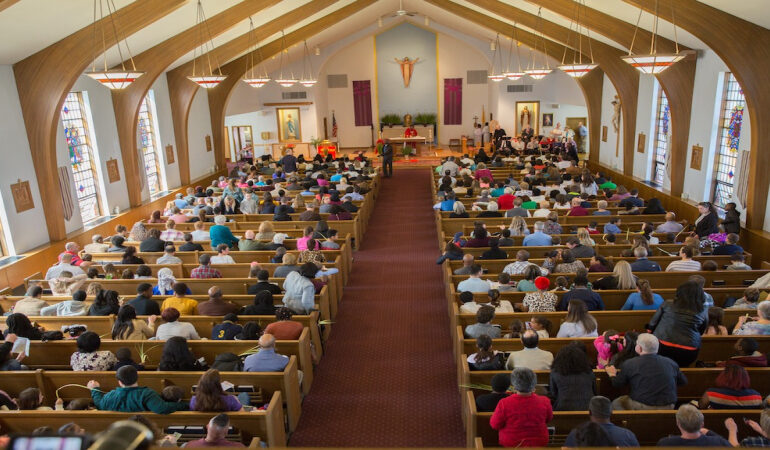

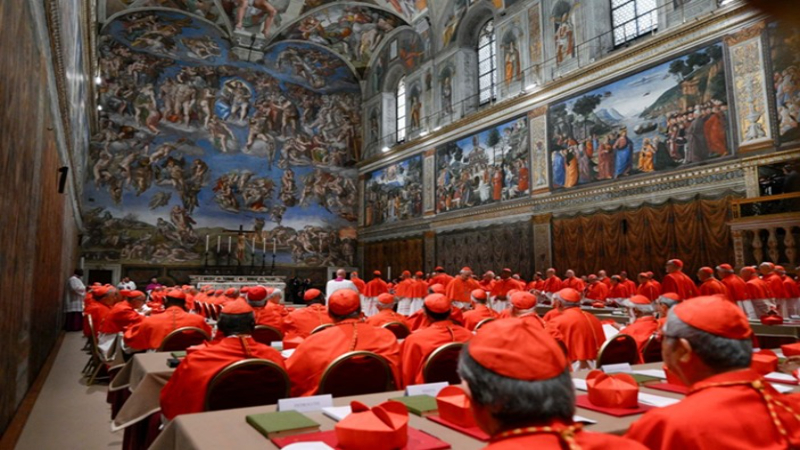
Periods of social dislocation tend to weaken shared meaning. Economic disruption, migration, technological change, and political division can unsettle long established patterns of belonging. In such moments, individuals often struggle to locate stability in institutions that feel distant or unreliable. Faith communities continue to occupy a distinctive place within this landscape by offering continuity rooted in shared belief and practice.
Rather than reacting to every cultural shift, faith communities provide rhythms that endure change. Worship, service, and communal life offer points of reference when broader social frameworks feel unstable. This anchoring role is not about resisting modern life, but about sustaining meaning within it.
Continuity in a Fragmented Cultural Environment
Faith communities function as cultural anchors because they preserve continuity. While social norms shift rapidly, religious practice unfolds according to rhythms shaped over time. These rhythms offer familiarity in periods of uncertainty.
Continuity allows individuals to locate themselves within a larger story. Shared rituals and traditions reinforce identity beyond immediate circumstance. In times of dislocation, this sense of continuity can counter feelings of rootlessness and disorientation.
Belonging Beyond Social Categories
One reason faith communities endure is their ability to create belonging that transcends social categories. Age, profession, and background often define participation in secular spaces. Faith communities gather people across these distinctions.
This shared belonging does not eliminate difference, but it reframes it. Individuals encounter one another as participants in a common moral and spiritual life. In fragmented societies, this inclusive belonging offers rare opportunities for connection without ideological sorting.
Moral Language in a Time of Confusion
Cultural dislocation often disrupts moral language. Shared assumptions erode, leaving individuals uncertain about values and responsibility. Faith communities preserve moral vocabulary grounded in dignity, responsibility, and care for others.
This moral language provides orientation rather than instruction alone. It shapes how members interpret events and choices. By sustaining ethical frameworks over time, faith communities help individuals navigate change with greater clarity.
Ritual as Stability Amid Change
Ritual plays a central role in anchoring communities. Repeated practices such as prayer, liturgy, and communal observance create stability through repetition. These rituals mark time in ways that resist constant acceleration.
In moments of upheaval, ritual offers grounding. It connects present experience with memory and expectation. This continuity reassures individuals that meaning is not entirely subject to disruption or loss.
Service as a Source of Trust
Faith communities also anchor culture through service. Acts of care, charity, and accompaniment respond directly to dislocation. When social systems strain, faith based service often remains present.
This service builds trust because it is consistent and relational. Assistance is offered without requiring ideological alignment. In times of dislocation, such reliability reinforces the credibility of faith communities as stabilizing forces.
Transmission of Meaning Across Generations
Faith communities play a critical role in transmitting meaning across generations. Stories, symbols, and practices are passed on through participation rather than instruction alone. This transmission preserves cultural memory.
In dislocated societies, intergenerational connection often weakens. Faith communities counter this by maintaining shared spaces where experience and tradition intersect. This continuity helps sustain identity beyond immediate cultural trends.
Limits and Responsibilities
Faith communities are not immune to cultural pressure. They must remain attentive to exclusion, misunderstanding, and fatigue. Their anchoring role depends on integrity and openness rather than nostalgia.
When communities prioritize presence over control, they remain credible. Anchoring does not mean withdrawal from society, but engagement grounded in stability. This balance determines whether faith communities remain relevant in changing environments.
Conclusion
In times of dislocation, faith communities serve as cultural anchors by preserving continuity, belonging, and moral orientation. Through ritual, service, and shared life, they offer stability without rigidity. In a world marked by fragmentation and uncertainty, their quiet presence continues to sustain meaning, connection, and resilience across generations.