

Faith Driven Aid for Migrants and Refugees
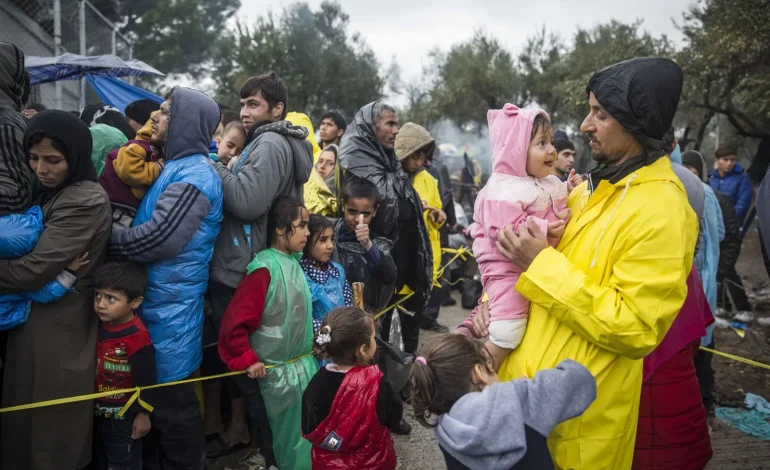

The Catholic Church teaches that every migrant and refugee carries the image of God and deserves protection compassion and dignity. Scripture repeatedly calls believers to welcome the stranger and defend the vulnerable. This spiritual foundation shapes the Church’s global mission to support displaced families fleeing war poverty and persecution. Faith driven aid is not simply humanitarian assistance but a living expression of the Gospel. The Church views care for migrants as a moral responsibility that transcends political boundaries and reflects the universal love of Christ.
The Church’s Global Network of Humanitarian Support
Across continents Catholic institutions provide shelter food legal assistance and medical care to migrants and refugees. Caritas Internationalis coordinates relief across more than 160 countries ensuring rapid response during crises. Religious communities open convents and parish halls to families in need while clergy accompany migrants on dangerous journeys offering comfort and prayer. Catholic hospitals and clinics treat trauma victims and help mothers and children rebuild health after long periods of instability. This global network demonstrates the Church’s capacity to combine spiritual care with practical action.
Advocacy Rooted in Human Dignity
The Vatican advocates strongly for policies that protect the rights of migrants and refugees. Church leaders urge governments to avoid criminalizing migration and to uphold international law. They speak out against human trafficking forced labor and exploitation of displaced people. Papal messages highlight the moral obligation to ensure that borders do not become barriers to compassion. The Church calls for fair asylum processes family reunification programs and protection for children traveling alone. These efforts reflect a commitment to justice grounded in the belief that every life has immeasurable worth.
Accompaniment as the Heart of Pastoral Care
Faith driven aid extends beyond material support to include accompaniment which means walking beside migrants in their struggles. Priests nuns and lay volunteers listen to stories of loss provide spiritual comfort and help families cope with trauma. Pastoral accompaniment helps restore hope in situations marked by fear and uncertainty. It affirms that each person is seen heard and valued. The Church teaches that accompaniment embodies Christlike compassion because it acknowledges suffering while offering dignity and friendship.
Integration and Community Building
Church communities play an essential role in helping migrants integrate into new societies. Parishes organize language classes job assistance programs and cultural exchange activities. Catholic schools offer scholarships for migrant children ensuring that education becomes a path toward stability. Social ministries connect families with local resources such as housing and healthcare. These initiatives help migrants build relationships and contribute to their new communities. The Church views integration as a mutual process where both migrants and local residents learn from each other and grow in solidarity.
Protection of Vulnerable Groups
Certain groups require special protection including unaccompanied minors survivors of trafficking pregnant women and elderly migrants. The Church provides safe shelters psychological services and legal advocacy tailored to their needs. Specialized programs help trafficking survivors regain freedom and rebuild their lives. Catholic volunteers accompany minors in legal proceedings and ensure they receive education and supervision. These ministries reflect the Church’s belief that the most vulnerable deserve the strongest defense and most compassionate care.
Interfaith Cooperation for Humanitarian Impact
Faith driven aid is strengthened through interfaith collaboration. Catholic organizations partner with Muslim Protestant Jewish and secular humanitarian groups to maximize assistance. Joint efforts include refugee camps education centers and peacebuilding programs in regions affected by conflict. Interfaith cooperation sends a powerful message that compassion transcends religious differences. It demonstrates that diverse communities can work together for human dignity and social harmony.
Hope Through Faith and Compassion
The Church’s mission to care for migrants and refugees reflects a vision of humanity rooted in mercy justice and solidarity. By offering shelter advocacy and pastoral accompaniment the Church seeks to heal wounds created by violence hunger and displacement. Faith driven aid becomes a sign of hope reminding suffering families that they are not forgotten. The Church teaches that protecting migrants is not merely charity but a moral imperative that reflects God’s love for every person. As global displacement continues the Church remains a steadfast advocate for compassion and a beacon of hope for those searching for safety and belonging.