


Faith Driven Education and Digital Literacy


Across the world, education is changing at a speed never seen before. Technology has transformed classrooms, libraries, and even the way children learn to think. Yet as screens multiply, the human connection in learning often weakens. Faith institutions are responding to this challenge by offering education rooted in moral clarity, social responsibility, and compassion. Their goal is not only to prepare students for careers but also to form individuals who understand the deeper meaning of knowledge and service.
Faith based education has always sought to link learning with values. In the modern era, this mission has become even more important. The Church believes that education is not simply about acquiring information but about shaping conscience and cultivating wisdom. In a world where technology dominates attention, faith driven schools and universities are working to help students navigate the digital landscape responsibly, with integrity and empathy.
The Moral Dimension of Learning
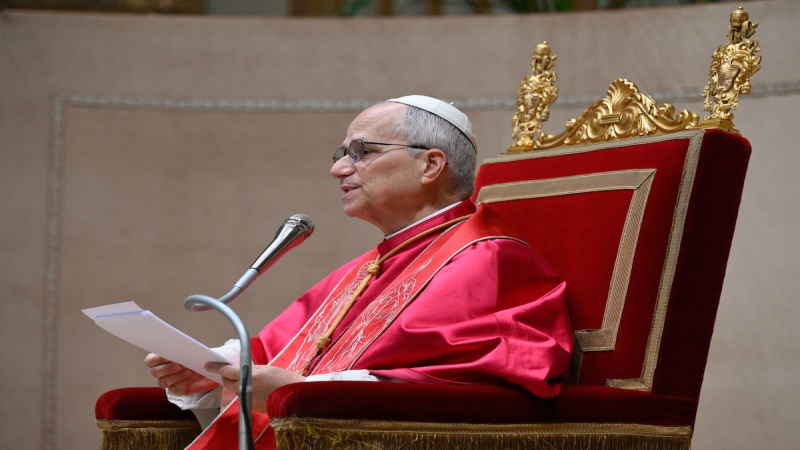
Pope Leo XIV has often reminded educators that true education must include both mind and heart. Knowledge alone can lead to pride or misuse if it is not guided by ethics. When learning is rooted in faith, it helps individuals see the world through a moral lens, where science, art, and technology are all seen as gifts meant for the service of humanity.
Faith driven education integrates moral formation into every subject. It encourages students to ask not only “what can we do” but “should we do it” and “for whose benefit.” This approach fosters a sense of purpose and accountability that purely technical systems often overlook. It also creates an environment where dialogue, reflection, and community are valued as much as achievement.
Bridging the Digital Divide
Digital literacy has become a new frontier in social justice. Around the world, access to technology remains uneven, leaving many communities isolated from opportunities. Faith institutions recognize this gap and have begun initiatives to promote equitable access to digital education. By providing digital tools, online training, and computer literacy programs, they are helping bridge the divide between those who are connected and those who are not.
Many parishes and diocesan schools have launched projects that offer free digital workshops for children, women, and the elderly. These programs teach practical skills like online communication, cybersecurity, and digital finance, while also embedding lessons about ethics and safety in the online world. In this way, digital literacy becomes more than a technical skill. It becomes a moral responsibility.
Faith based organizations also advocate for policies that promote affordable internet access and support for rural schools. Their presence in remote areas allows them to bring technology where commercial providers often do not reach. This form of advocacy demonstrates how education can serve as an act of justice and inclusion.
Technology with a Human Face
The rise of artificial intelligence and automation has raised difficult questions about the purpose of education and the future of work. Faith educators argue that technology should serve humanity, not replace it. They emphasize creativity, empathy, and critical thinking as essential skills that machines cannot replicate. By integrating theology, philosophy, and digital studies, many faith based universities are forming students who understand both the power and the limitations of technology.
Teachers trained under these programs focus on cultivating discernment. They encourage students to use technology as a means of collaboration rather than isolation. The goal is to restore a sense of community and humanity in an increasingly digital world.
The Role of Educators and Institutions
Educators hold a sacred trust in shaping the minds of future generations. In faith based schools, teaching is viewed not merely as a profession but as a vocation. Teachers are called to guide their students toward truth and virtue, not just success. This perspective creates an educational environment where dignity and respect flourish.
Faith institutions also partner with secular universities and research centers to promote interdisciplinary learning. Through conferences and exchange programs, they bring together experts from theology, science, and digital ethics to explore how education can better serve the common good. These partnerships reflect the Church’s long tradition of dialogue between faith and reason.
Lifelong Learning and Spiritual Growth
Education does not end with graduation. Faith driven institutions promote lifelong learning as a form of spiritual growth. They encourage adults to continue developing their knowledge and to use it for the betterment of society. Many dioceses now offer online theology and leadership courses for professionals who wish to integrate their faith into their work.
This commitment to continuous learning reflects a deep belief in the dignity of every person as a seeker of truth. It also shows that faith and innovation are not in conflict. Rather, when they work together, they create a balance between wisdom and progress.
Building an Ethical Digital Future
As societies move deeper into the digital age, faith driven education has the potential to shape not only individuals but also the moral direction of entire communities. It teaches that digital progress must always be measured by its impact on humanity. Technology must be guided by ethics, compassion, and respect for human life.
Through education, faith institutions cultivate leaders who understand that innovation must serve justice, not exploitation. They prepare students to be creators of solutions, not contributors to inequality. By forming minds and hearts in unity, they contribute to building a digital civilization that reflects truth, love, and hope.
In this vision, education is more than preparation for the future. It is the foundation of a humane society where knowledge is a form of service and digital literacy becomes a path toward shared human flourishing.