

Faith, Identity, and the Growing Search for Meaning in Secular Societies

Across many secular societies, questions of meaning and identity have become more pronounced in recent years. Economic uncertainty, rapid cultural change, and the fragmentation of shared values have left many individuals searching for a sense of purpose beyond material success. While traditional religious participation has declined in some regions, the underlying human desire for meaning has not disappeared. Instead, it has taken new and often unexpected forms.
Faith continues to surface within this search, sometimes quietly and sometimes openly. Even in societies where religion is viewed as a private matter, spiritual questions persist in public life, education, and cultural expression. This renewed attention to meaning reveals a tension between secular frameworks and the deeper needs of human identity that faith traditions have long sought to address.
Identity in an Age of Secular Confidence
Secular societies often emphasize autonomy, self definition, and individual choice as the foundation of identity. These ideals have brought freedoms and opportunities, yet they also place the burden of meaning entirely on the individual. For many, this pressure leads to uncertainty rather than fulfillment.
Faith offers an alternative understanding of identity that is relational rather than isolated. Within religious traditions, identity is shaped by belonging, moral responsibility, and shared purpose. As secular confidence in purely individual definitions of self begins to waver, faith based perspectives reenter conversations about what it means to live a meaningful life.
The Limits of Secular Narratives
Secular narratives frequently focus on progress, productivity, and personal achievement. While valuable, these narratives can struggle to address suffering, loss, and moral failure. In moments of crisis, many people find that secular explanations provide limited comfort or guidance.
Faith traditions speak directly to these experiences by offering narratives that integrate struggle into a broader vision of meaning. The language of hope, forgiveness, and transcendence resonates in contexts where purely rational explanations fall short. This does not represent a rejection of reason, but a recognition of its limits when confronting the full complexity of human life.
Faith as a Source of Community
Another dimension of the search for meaning is the desire for belonging. Secular societies often prioritize individual independence, which can unintentionally weaken communal bonds. Loneliness and social isolation have become increasingly visible challenges in many modern cultures.
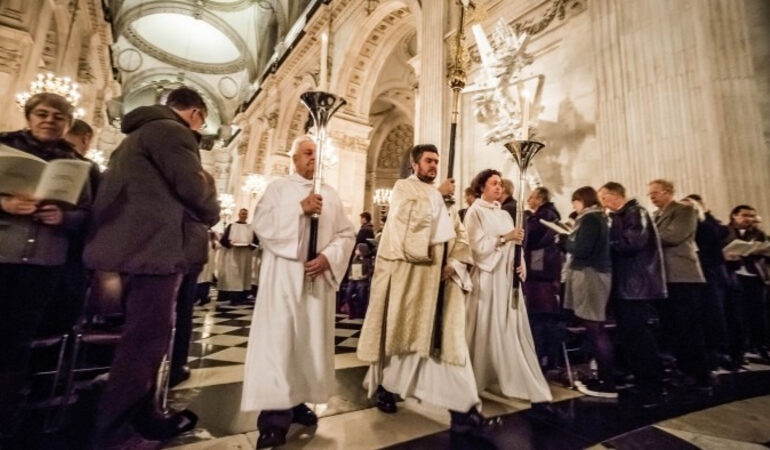
Faith communities offer spaces where identity is formed through shared belief, ritual, and service. These communities provide continuity and support that extend beyond individual circumstances. For many, the experience of belonging becomes a powerful entry point into deeper spiritual reflection, even in societies where institutional religion is viewed with skepticism.
Moral Identity and Responsibility
The search for meaning is closely tied to questions of moral responsibility. Secular ethics often rely on consensus and personal values, which can shift rapidly. Faith traditions contribute a moral framework rooted in enduring principles such as dignity, justice, and care for others.
This moral identity helps individuals navigate complex social issues with a sense of coherence. Faith based ethics do not remove moral struggle, but they provide orientation. In a cultural landscape marked by competing values, this clarity appeals to those seeking direction without rigid ideology.
Cultural Expressions of Spiritual Longing
Even where formal religious practice declines, spiritual longing often appears in cultural expression. Art, literature, and public discourse frequently explore themes of transcendence, purpose, and moral responsibility. These expressions suggest that the search for meaning continues beneath the surface of secular life.
Faith traditions engage this cultural space by offering language and symbols that articulate what many experience but struggle to define. This interaction allows faith to remain present in secular societies without requiring uniform belief. It becomes part of an ongoing conversation about what it means to be human.
Faith Without Nostalgia
The renewed search for meaning does not necessarily reflect a desire to return to past religious structures. Instead, many seek faith that speaks to contemporary realities with honesty and humility. This requires religious voices to engage society without nostalgia or defensiveness.
When faith addresses modern concerns with compassion and clarity, it gains relevance. The focus shifts from preserving influence to offering insight. This posture allows faith to contribute meaningfully to identity formation in secular contexts.
Conclusion
In secular societies, the growing search for meaning reveals the enduring limits of purely individual or material definitions of identity. Faith continues to offer language, community, and moral orientation that address these deeper human needs. As questions of purpose and belonging intensify, faith remains a vital participant in shaping identity, not as an imposed answer, but as an invitation to reflect on what gives life lasting meaning.