


Faith in a Fractured World: Why Moral Authority Still Matters in 2026
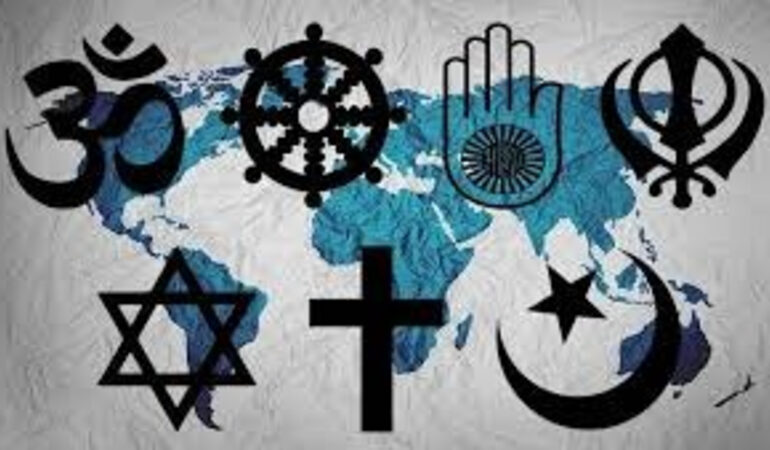

The early years of the 2020s have left global society more fragmented than at any point in recent memory. Political polarization, digital echo chambers, cultural mistrust, and declining confidence in public institutions have reshaped how communities relate to one another. In this environment, many societies are searching for shared values that can hold diverse populations together without resorting to force or ideology.
Faith, often dismissed as a private or declining influence, continues to occupy a quiet but persistent role in public life. While traditional religious affiliation has shifted in many regions, the moral questions people face have not disappeared. Issues of dignity, justice, responsibility, and truth remain central to human experience, and they demand moral reference points that extend beyond political cycles and economic interests.
Moral Authority in an Age of Distrust
Trust in institutions has weakened across much of the world. Governments, media, and even scientific bodies face skepticism fueled by misinformation and political rivalry. Moral authority differs from institutional power because it is not enforced through law or coercion. It is earned through consistency, ethical credibility, and long term witness.
Religious moral authority functions precisely in this space. It does not rely on immediate popularity or majority approval. Instead, it offers continuity across generations, grounding ethical principles in traditions that have been tested by time. In moments of crisis or uncertainty, this kind of authority can stabilize public discourse by reminding societies of shared moral limits.
The enduring relevance of moral authority lies in its ability to speak when other voices are compromised. Even critics often recognize that ethical guidance rooted in conscience can challenge injustice more effectively than partisan rhetoric.
Post Secular Societies and the Return of Ethical Questions
Many modern societies are no longer simply secular or religious. They are post secular, where belief and disbelief coexist within the same public space. In these contexts, moral debates increasingly resurface around questions of human life, technology, migration, and social responsibility.
Rather than retreating from public life, faith based moral reasoning is re entering discussions in a more reflective form. It does not dominate policy, but it informs ethical frameworks that lawmakers, educators, and citizens engage with. This shift reflects a growing awareness that technical solutions alone cannot resolve moral dilemmas.
Post secular societies demonstrate that moral questions cannot be permanently privatized. As communities confront ethical uncertainty, traditions that articulate clear moral reasoning regain relevance.
Cultural Fragmentation and the Need for Shared Values
Cultural fragmentation has intensified through social media, identity politics, and economic inequality. While diversity has expanded, shared narratives have weakened. Without common ethical ground, disagreements easily turn into hostility.
Moral authority provides a language of restraint and responsibility. It emphasizes limits on power, respect for human dignity, and accountability beyond personal preference. These principles help societies negotiate differences without erasing pluralism.
In 2026, the challenge is not cultural difference itself, but the absence of moral reference points that allow disagreement to remain humane. Ethical traditions rooted in faith contribute to rebuilding that moral grammar.
Leadership Without Power
Moral leadership does not require political office. It operates through persuasion, example, and coherence between words and actions. In a world wary of authority figures, leadership grounded in service and humility resonates more deeply than command based influence.
Faith communities contribute to this model by emphasizing moral consistency over immediate results. This form of leadership often works slowly, shaping conscience rather than controlling outcomes. Its impact may be subtle, but it endures beyond electoral cycles and public opinion shifts.
Such leadership reminds societies that not all progress is measurable by economic growth or technological advancement.
Conclusion
In a fractured world marked by distrust and division, moral authority remains a vital stabilizing force. Faith based ethical traditions continue to offer societies a shared moral vocabulary rooted in dignity, responsibility, and restraint. As global challenges grow more complex in 2026, the quiet presence of moral authority helps remind humanity that progress without conscience is ultimately fragile.