

Faith in an Age of Fatigue: What Vatican Messaging Now Reflects


Across much of the world, public life is marked by exhaustion. Political polarization, economic uncertainty, social conflict, and constant digital engagement have created a climate of fatigue that affects belief, trust, and participation. This weariness has not bypassed religious communities, including the Catholic Church.
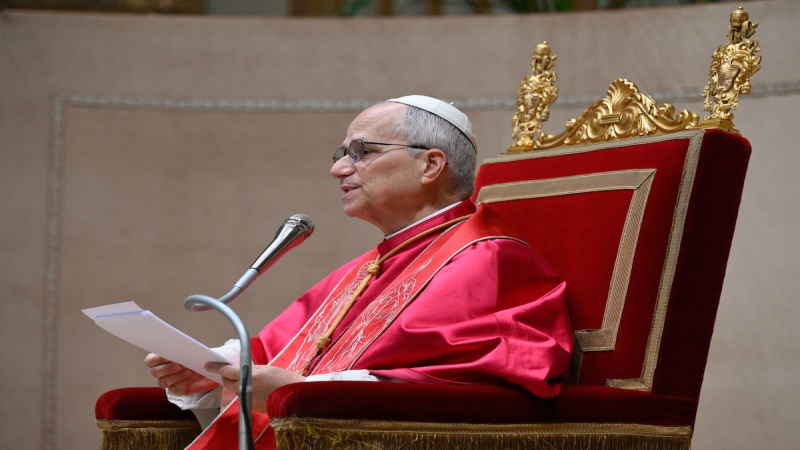
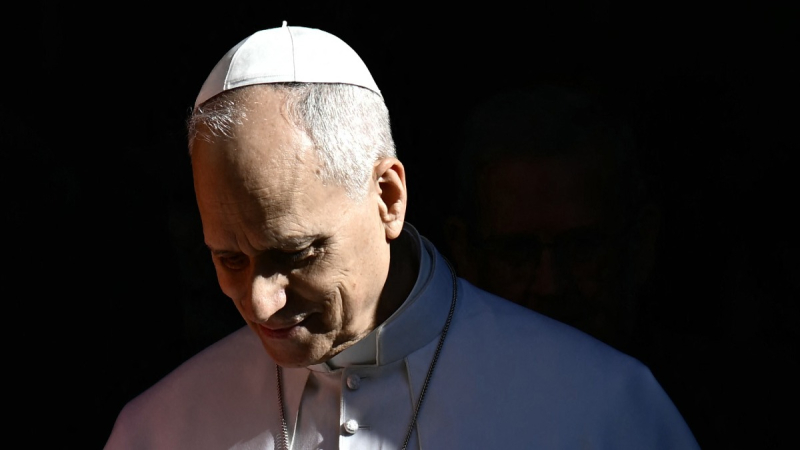
Recent Vatican messaging reflects a clear awareness of this condition. Under the leadership of Pope Leo XIV, the Church’s public voice has become calmer, more pastoral, and less declarative. Rather than responding to every issue with urgency, the Vatican increasingly speaks in ways that acknowledge fatigue while offering steadiness and meaning.
Recognizing Fatigue as a Spiritual Reality
One of the most significant shifts in Vatican messaging is its recognition of fatigue as more than a social condition. It is increasingly understood as a spiritual reality that shapes how people receive faith, authority, and moral guidance.
Messages now acknowledge discouragement, overload, and disconnection without framing them as failure. This recognition helps the Church meet people where they are rather than where they are expected to be. Faith is presented as a source of renewal rather than an additional burden.
By naming fatigue without judgment, the Vatican signals pastoral awareness. It reflects an understanding that sustaining belief today requires sensitivity to human limits.
A Softer Tone Without Weaker Conviction
The Vatican’s more measured tone does not indicate retreat from conviction. Instead, it reflects a strategic adjustment in how conviction is expressed. Messages emphasize hope, patience, and accompaniment rather than urgency or correction.
This softer tone reduces resistance. In an age when many feel overwhelmed, authoritative language can feel intrusive. Careful messaging allows teaching to be received as support rather than demand.
Conviction remains present, but it is conveyed through encouragement and clarity rather than intensity. This balance helps faith remain accessible without losing substance.
Shifting From Reaction to Reflection
Another feature of recent Vatican messaging is a move away from constant reaction. In a fatigued culture, rapid responses often deepen exhaustion rather than resolve it. The Vatican increasingly prioritizes reflection over immediacy.
Statements are released less frequently but with greater intention. Silence and pauses are used to create space for discernment. This pacing respects the emotional and cognitive limits of audiences navigating constant information flow.
Reflection also reinforces credibility. When the Vatican speaks thoughtfully rather than urgently, its voice stands apart from the noise of public debate.
Faith as Stability Rather Than Mobilization
In earlier periods, religious messaging often aimed to mobilize action or response. Today, Vatican messaging increasingly presents faith as a stabilizing presence rather than a call to constant engagement.
This reflects awareness that many believers are already stretched. Faith is framed as grounding, offering meaning and orientation rather than additional demands. Practices of prayer, reflection, and community are emphasized as sources of resilience.
By presenting faith as rest rather than strain, the Church responds directly to widespread fatigue. This repositioning helps sustain participation over time.
Addressing Younger Generations With Realism
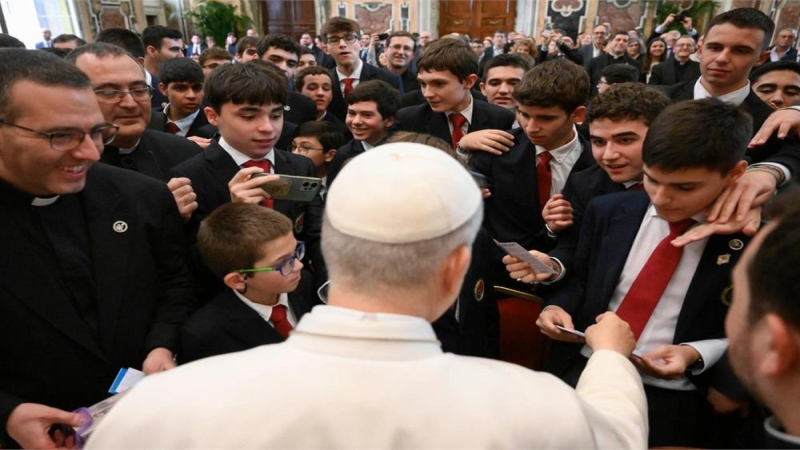
Younger generations often experience fatigue acutely, shaped by uncertainty and information overload. Vatican messaging increasingly reflects realism about these conditions. It avoids idealized assumptions about belief and commitment.
Rather than insisting on immediate clarity or certainty, messages encourage gradual growth and honest questioning. This approach acknowledges that faith development is uneven and often slow.
By validating struggle without lowering expectations, the Church creates space for authentic engagement. This realism strengthens credibility among those wary of institutional optimism.
Conclusion
Vatican messaging today reflects a Church attentive to fatigue rather than dismissive of it. By adopting a calmer tone, prioritizing reflection, and presenting faith as a source of stability, the Vatican responds to the emotional and spiritual realities of a weary world. In doing so, it offers not escape from complexity, but a way to endure it with meaning.