Families Weigh Faith and Fear as Camp Mystic Plans Return
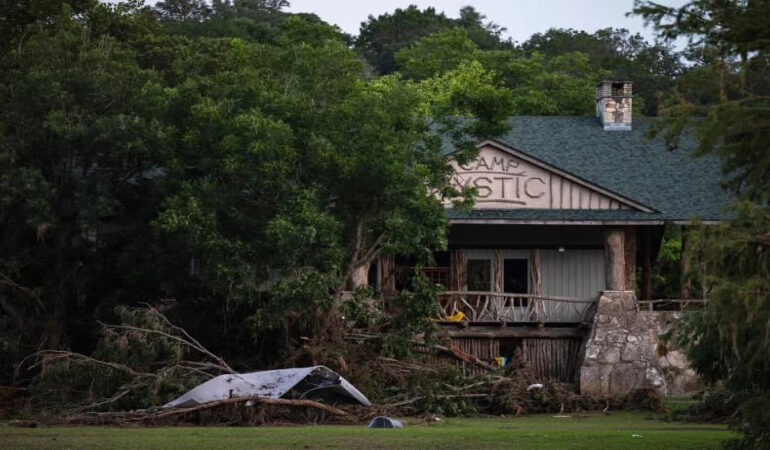

Months after catastrophic floods tore through Camp Mystic in central Texas, families remain deeply divided over whether their daughters should return to the century old Christian summer retreat. The July disaster killed campers and counselors and left a lasting mark on parents whose children narrowly escaped. As the camp prepares to reopen on higher ground next year, some families view a return as part of healing, while others see it as reopening wounds that have not yet closed. The tragedy unfolded with terrifying speed as floodwaters surged through low lying cabins, turning a place of prayer and formation into a scene of loss. For parents, the question is no longer only about safety measures but about trust, memory, and the emotional cost of asking children to revisit a place associated with trauma, even as the camp insists it is taking meaningful steps to prevent another catastrophe.
Camp leadership has promised stronger safeguards, including new flood monitoring systems and improved communication tools in every cabin, while local authorities work to accelerate warning infrastructure in a region long known for flash floods. Yet these assurances have not eased the pain for families who lost daughters and continue to demand accountability. Lawsuits allege failures in judgment during the emergency, and some parents say reopening so soon feels insensitive. Others argue that Camp Mystic has played a formative role in their children’s spiritual and personal growth, making the decision to return an act of resilience rather than denial. For these families, faith is not diminished by tragedy but tested through it, shaping how they interpret risk, remembrance, and the possibility of moving forward without forgetting.
Still, uncertainty remains widespread. Some parents say the most painful aspect of the flood was not the water itself but the hours without information, when they did not know whether their children were alive. For them, waiting another year feels like the only responsible choice. The debate unfolding among families reflects a broader tension between hope and caution, forgiveness and accountability. Camp Mystic’s future now depends not only on physical rebuilding but on restoring confidence among parents who must decide whether faith and community can outweigh lingering fear. As enrollment approaches, the camp stands as a symbol of how communities wrestle with loss, asking whether returning to familiar ground can offer healing or whether distance is sometimes the truer path to peace.