


Flood Crisis Deepens for Children in Mozambique
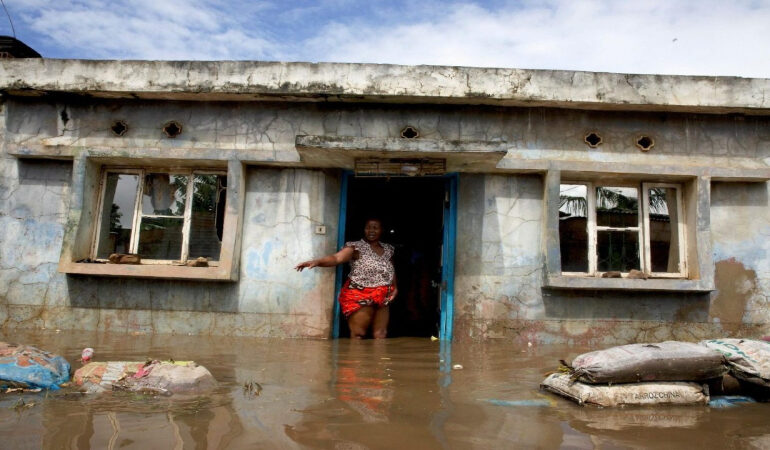

Severe flooding across Mozambique has escalated into a major humanitarian emergency, with children facing the gravest consequences as communities struggle with displacement, disease, and food insecurity. According to recent assessments shared by UNICEF, the combination of unsafe water, disrupted healthcare, and widespread malnutrition has created conditions that place children at heightened risk. Large areas of the country have seen access to basic services become unreliable or completely cut off, leaving families unable to secure clean drinking water, adequate nutrition, or continued schooling. In these circumstances, children are exposed not only to illness but also to longer term protection risks, including exploitation and interrupted development. Humanitarian actors warn that the impact is not temporary, as the effects of flooding often extend months or even years beyond the initial emergency, particularly for the youngest members of society.
Even before the floods began earlier this month, Mozambique was already grappling with high levels of chronic child malnutrition. Aid officials report that nearly four in ten children were affected, a vulnerability now intensified by damage to food supply chains and health services. The spread of waterborne diseases in flooded areas compounds these risks, creating what relief agencies describe as a deadly cycle. When illness and undernutrition intersect, children face increased likelihood of severe and acute malnutrition, which remains one of the leading causes of child mortality in humanitarian crises. With families displaced and livelihoods disrupted, caregivers struggle to maintain consistent feeding and hygiene practices, further deepening the emergency. Observers stress that without rapid intervention, a generation already living on the edge of survival could be pushed into irreversible harm.
The scale of the flooding underscores the urgency of the response. Nearly six hundred thousand people across several provinces have been affected, with more than half of them children. Hundreds of thousands have been forced to leave their homes, many seeking refuge with relatives while others shelter in formal displacement sites. Thousands of houses have been damaged or submerged, and widespread destruction of roads and bridges has severely limited access for emergency responders. As heavy rains continue, humanitarian organizations warn that assessments are still ongoing and that the number of affected families is likely to rise. The destruction of infrastructure has not only displaced communities but also slowed the delivery of aid, delaying medical assistance, clean water supplies, and nutritional support at a critical moment.
Relief agencies emphasize that timely assistance can still prevent the worst outcomes if resources are mobilized quickly. Expanding access to safe water, emergency nutrition programs, basic healthcare, education support, and child protection services remains central to protecting lives. Mozambique’s population is notably young, with more than half under the age of eighteen, making the impact of the floods disproportionately severe for children and adolescents. Humanitarian officials have appealed for international solidarity, warning that decisions made in the coming days will shape whether children are able to survive, return to school, and rebuild their futures. The crisis, they note, is not only about immediate survival but about safeguarding the long term well being of an entire generation.