
Sri Lankan police have arrested the country’s former intelligence chief as part of an ongoing investigation into the 2019 Easter Sunday bombings that killed nearly 270 people and injured hundreds more in one of the deadliest attacks in the nation’s history.
Authorities confirmed that Suresh Salley, a retired army major general and former head of State Intelligence Service, was taken into custody by the Criminal Investigation Department in Colombo. Police spokesperson Fredrick Wootler said investigators are examining possible links or lapses connected to the coordinated suicide attacks carried out on April 21, 2019.
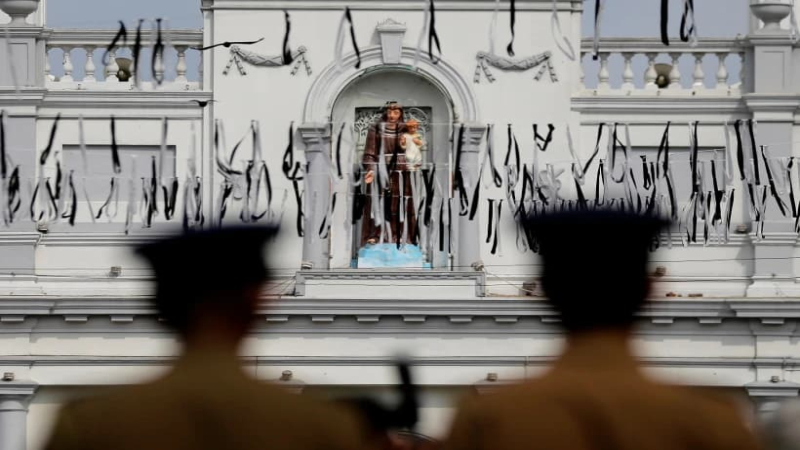
The bombings targeted three churches and three luxury hotels in Colombo and other parts of the country during Easter services and peak tourist hours. The attackers, linked to local Islamist extremist networks, pledged allegiance to the Islamic State group in videos released shortly after the attacks. The violence shocked the island nation and drew international condemnation.
The investigation into the bombings has remained politically sensitive. The attacks occurred months before Sri Lanka’s presidential election and reignited public debate about intelligence failures and accountability within the security establishment. Several parliamentary inquiries and judicial reviews have examined whether prior warnings about possible extremist plots were adequately addressed.
Salley had been widely regarded as a key military intelligence figure during the final phase of Sri Lanka’s civil war, which ended in 2009 with the defeat of the Liberation Tigers of Tamil Eelam after nearly three decades of conflict. His arrest marks a significant development in efforts to reassess the events surrounding the Easter attacks.
In 2023, a documentary aired by Britain’s Channel 4 featured testimony from Azad Maulana, who claimed he facilitated a meeting between Salley and members of National Thowheed Jamath, the local group accused of carrying out the bombings. Maulana alleged that the meeting involved discussions related to creating instability ahead of the 2019 election. Following the broadcast, Sri Lanka’s defense ministry denied any state involvement and rejected the claims as unfounded.
Investigators have not publicly detailed specific charges but indicated that questioning will focus on whether any intelligence lapses or prior knowledge could have prevented the attacks. Legal analysts say the case could reopen broader debates about institutional accountability and political responsibility during that period.
The Easter bombings deeply affected Sri Lanka’s Christian minority and tourism sector, with memorial services continuing annually to honor the victims. The renewed investigation comes amid calls from families of those killed for greater transparency and justice.