

Francis Calls Bishops to Renew Commitment to Safeguarding: ‘Zero Room for Complacency’
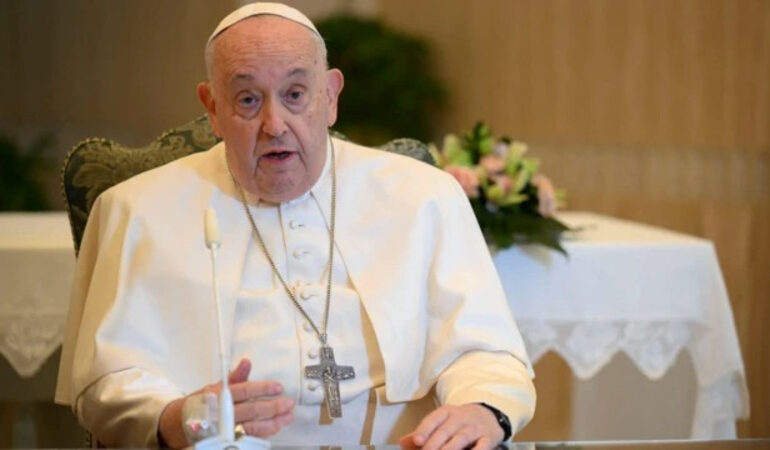

Pope Francis has urged bishops around the world to strengthen their commitment to safeguarding, emphasizing that the Church must remain vigilant in its efforts to protect minors and vulnerable individuals. During recent meetings with episcopal leaders, he reiterated that safeguarding requires ongoing formation, accountability, and a willingness to confront failures directly. His message highlights an enduring priority of his pontificate, which has consistently called for transparent procedures and strong preventative structures.
The pope’s appeal comes at a time when global Catholic communities continue seeking assurance that past mistakes will not be repeated. While significant progress has been made in establishing safeguarding offices, training programs, and reporting mechanisms, Francis has stressed that these measures must be continually evaluated and updated. In urging bishops to remain attentive and proactive, he reinforced the principle that no region of the Church can treat safeguarding as optional or static.
Strengthening Global Safeguarding Standards
Pope Francis has made it clear that safeguarding is a universal responsibility that extends across every diocese, religious community, and pastoral environment. The call for stronger standards reflects the Vatican’s ongoing effort to ensure that protective measures are implemented consistently and effectively. Bishops are encouraged to review their procedures, assess risks, and identify areas where additional training is needed.
The emphasis on zero complacency underscores the Church’s moral obligation to create environments where children and vulnerable adults are safe and respected. The pope has highlighted that safeguarding must be integrated into every aspect of Church life, including parish ministry, catechesis, youth programs, and administrative decision making. Consistency and accountability remain key themes as the Vatican promotes a culture rooted in responsibility and vigilance.
Francis has also pointed to the importance of listening to survivors. Their experiences, he says, play an essential role in shaping policies that can prevent future harm. By incorporating survivor insight into safeguarding processes, the Church aims to build structures that respond to real needs rather than theoretical concerns.
Ongoing Formation for Clergy and Church Personnel
A major focus of the pope’s message concerns the formation of clergy and Church workers. Safeguarding is not limited to policies but involves developing a mindset that prioritizes safety, respect, and professionalism. This requires regular training that helps individuals recognize warning signs, manage risk, and understand reporting procedures.
The Vatican encourages dioceses to provide continuing education for priests, deacons, religious, and lay employees. Formation programs help ensure that new and existing personnel remain aware of current best practices. The pope has noted that ongoing formation is essential because safeguarding challenges evolve as social circumstances change. With digital communication, online interaction, and new pastoral environments emerging, Church workers must be prepared to respond responsibly.
At the seminary level, the Church continues to integrate safeguarding into priestly formation programs. This includes psychological assessment, human formation, and ethical training. By preparing future priests with a deeper awareness of safeguarding responsibilities, the Church hopes to prevent situations that could lead to harm.
Transparency and Accountability as Moral Priorities
Francis has consistently taught that safeguarding must be supported by transparent procedures. Bishops are called to ensure that allegations are handled promptly and that investigations follow established protocols. This expectation applies not only to diocesan leadership but also to religious communities and Catholic institutions.
Accountability remains central to the Church’s mission to restore trust. The pope has approved a variety of reforms in recent years aimed at clarifying responsibilities and improving oversight. These measures empower Church authorities to make decisions that prioritize the well-being of victims and the integrity of pastoral ministry.
Transparency also includes communicating clearly with the faithful about safeguarding efforts. Many dioceses publish annual safeguarding reports, share updates about training initiatives, or provide accessible information on reporting procedures. These practices help create an environment where the Church’s commitment to protection is visible and sustained.
Supporting Local Churches in Implementing Safeguarding Plans
The Vatican acknowledges that safeguarding challenges vary by region. Some dioceses face limited resources, while others require specialized expertise. To address this, the Church continues to offer guidance through safeguarding commissions, educational resources, and international collaboration. The goal is to help every diocese establish procedures that are both effective and adapted to local realities.
By coordinating with episcopal conferences and Catholic organizations, the Vatican supports a global network of safeguarding professionals. This collaborative approach allows best practices to be shared across cultures and continents, strengthening the Church’s protective framework.
Conclusion
Pope Francis’ call for renewed commitment to safeguarding reflects a clear and urgent message. Protecting minors and vulnerable individuals requires ongoing formation, transparent procedures, accountability, and consistent global standards. By urging bishops to reject complacency and strengthen their efforts, the pope reaffirms the Church’s responsibility to create safe environments rooted in respect, vigilance, and moral integrity.