

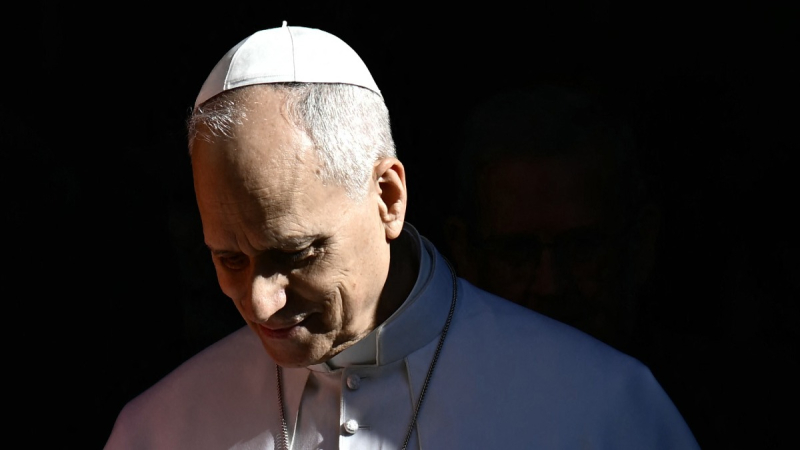

Pope Leo XIV has proclaimed a special Jubilee Year marking eight centuries since the death of Francis of Assisi, placing the legacy of the Poverello at the center of the Church’s spiritual horizon for 2026. The initiative, formally established through a decree of the Apostolic Penitentiary, invites Catholics worldwide to rediscover holiness through peace, simplicity, and reconciliation. The Jubilee extends from January 10, 2026, to January 10, 2027, following the conclusion of the broader Holy Year. Vatican officials have framed the celebration as the culmination of previous Franciscan centenaries, uniting reflections on creation, poverty, and peace into a single moment of ecclesial focus. Rather than commemorating history alone, the Jubilee presents Francis as a living spiritual reference for a world marked by conflict, environmental strain, and social fragmentation.
Central to the Jubilee are provisions encouraging pilgrimage, prayer, and participation in the sacramental life of the Church. Plenary indulgences will be available to the faithful who meet customary spiritual conditions and take part in pilgrimages to Franciscan churches or sites associated with the saint across the world. The decree also explicitly includes those unable to travel, such as the sick, elderly, and caregivers, emphasizing spiritual communion over physical presence. This inclusive framework reflects a pastoral vision attentive to contemporary realities while preserving traditional practices of devotion. Franciscan leaders have expressed hope that the Jubilee will renew Christian charity and awaken a deeper sense of responsibility toward neighbors and creation. The emphasis remains less on ceremony and more on interior conversion, positioning the year as a call to lived witness rather than symbolic observance.
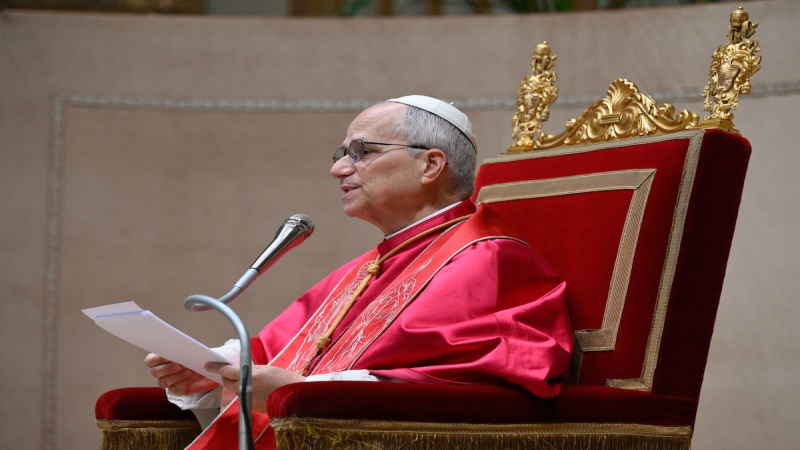
In a letter addressed to the Franciscan family, Pope Leo XIV described Francis of Assisi as a necessary voice for the present age, particularly amid prolonged wars and widening divisions. He portrayed Francis not as a source of technical solutions but as a sign pointing to the deeper origins of peace rooted in reconciliation with God, humanity, and the natural world. The Pope linked Franciscan spirituality directly to ecological concern, framing peace with creation as inseparable from peace among peoples. This perspective situates the Jubilee within broader Vatican priorities that connect social justice, environmental stewardship, and spiritual renewal. The letter was read during the opening celebration at the Basilica of St. Mary of the Angels in Assisi, anchoring the Jubilee in the physical landscape of Francis’ life and death.
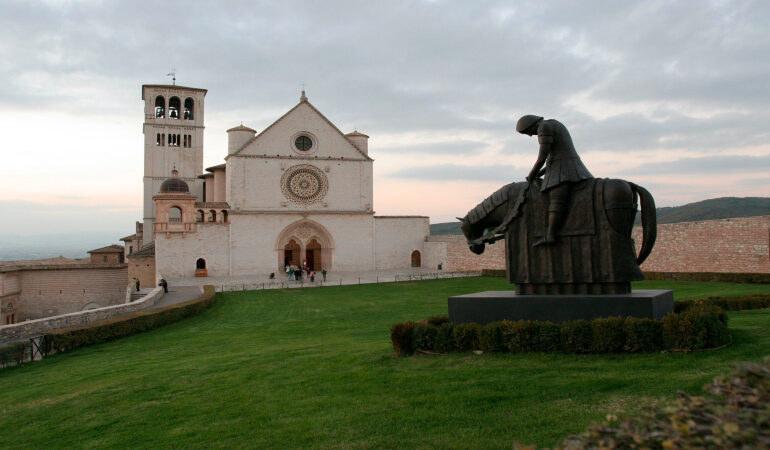
Among the most anticipated moments of the Jubilee will be the public display of the saint’s body, authorized for a limited period in early 2026 at the Basilica of St. Francis. The decision has drawn extraordinary interest, with hundreds of thousands of pilgrims registering in advance to venerate the remains. Church officials have described the response as evidence of Francis’ enduring universal appeal, transcending cultural and generational boundaries. The display is framed not as spectacle but as an invitation to contemplation, linking physical proximity to spiritual reflection. As Assisi prepares to receive pilgrims from around the world, the Jubilee underscores how memory, devotion, and moral witness converge in Francis’ legacy, offering the Church a moment to rearticulate peace as a lived vocation rather than an abstract ideal.