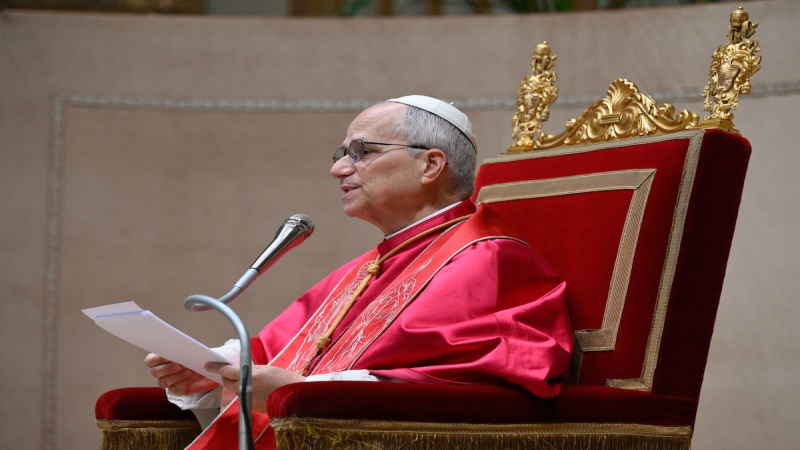


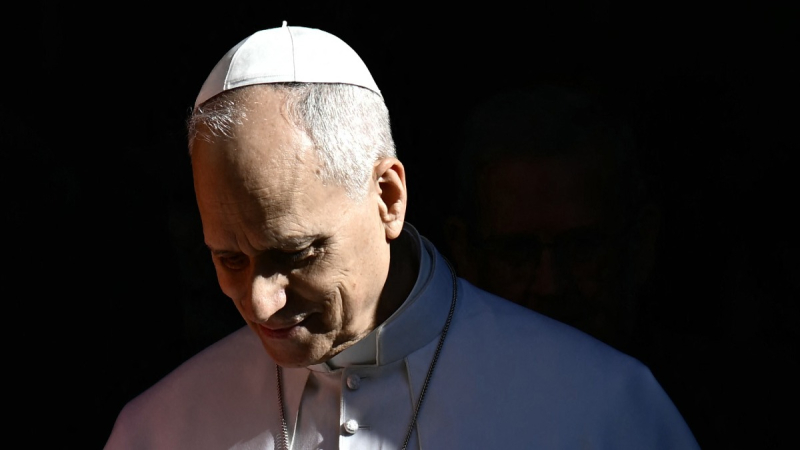
From Continuity to Consolidation The First Signals of Pope Leo XIV’s Papacy
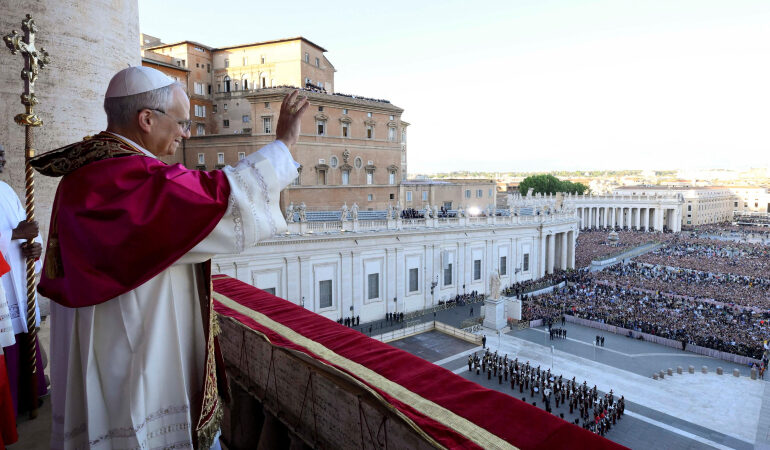

The early phase of a papacy is often closely examined for signs of change, direction, and intent. With the election of Pope Leo XIV, those signals have emerged not through dramatic departures but through careful consolidation. The Vatican under his leadership appears focused on reinforcing institutional coherence rather than redefining priorities, offering a steady transition grounded in continuity.
This approach reflects a clear understanding of the Church’s current position in the world. Faced with geopolitical instability, cultural polarization, and internal administrative demands, the papacy has chosen steadiness over acceleration. The first months of Pope Leo XIV’s leadership suggest a deliberate effort to stabilize structures before advancing new initiatives.
Consolidation as a Governing Principle
The most prominent signal of Pope Leo XIV’s papacy is the emphasis on consolidation as a governing principle. Rather than introducing immediate reforms, his leadership prioritizes alignment across Vatican offices and episcopal structures. This reflects a belief that moral and spiritual authority is strengthened when governance operates with clarity and cohesion.
Consolidation also serves as a corrective to institutional fatigue. By focusing on reinforcing existing processes, the Vatican reduces internal friction and enhances decision-making efficiency. This phase allows the Church to assess its position with precision, ensuring that future actions are rooted in institutional readiness rather than urgency.
Continuity Without Stagnation
While consolidation emphasizes continuity, it does not indicate stagnation. Pope Leo XIV’s early actions suggest an effort to preserve what functions effectively while quietly recalibrating areas that require refinement. Continuity here is treated as a foundation, not a constraint.
This balance reassures both internal stakeholders and the global faithful. The Church’s teachings, structures, and diplomatic posture remain recognizable, while subtle adjustments signal attentiveness to contemporary realities. The papacy thus avoids disruption while maintaining the capacity for measured evolution.
Signals Through Administrative Choices
Administrative decisions often reveal more about leadership direction than public statements. Under Pope Leo XIV, appointments and internal coordination efforts point toward stability and competence rather than ideological signaling. These choices reinforce confidence in governance and reduce uncertainty during the early phase of the papacy.
By strengthening administrative alignment, the Vatican communicates that authority flows through institutions rather than personalities. This approach reinforces trust internally and externally, presenting the papacy as a steward of continuity rather than a catalyst for abrupt change.
A Papacy Oriented Toward Institutional Confidence
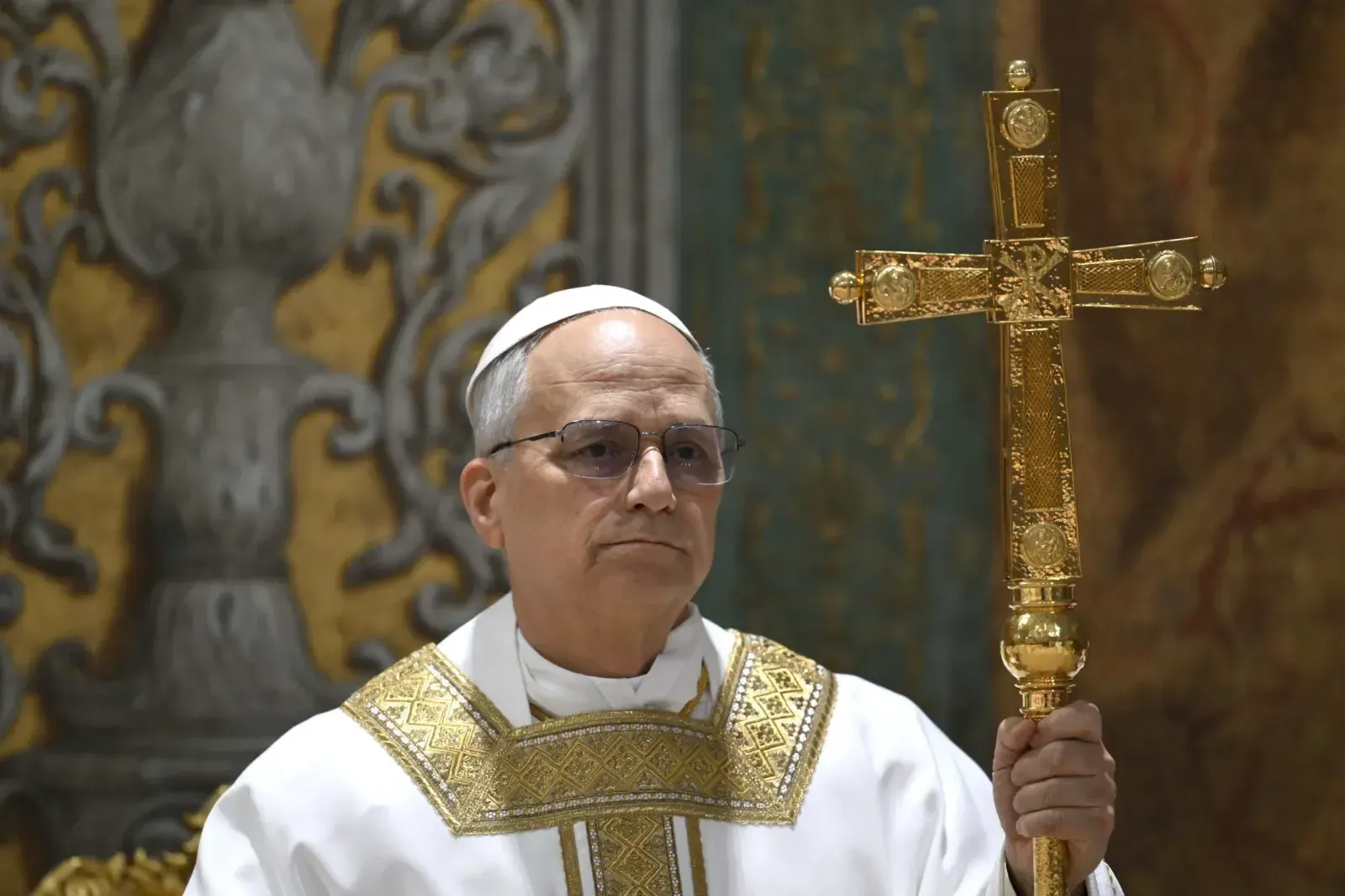
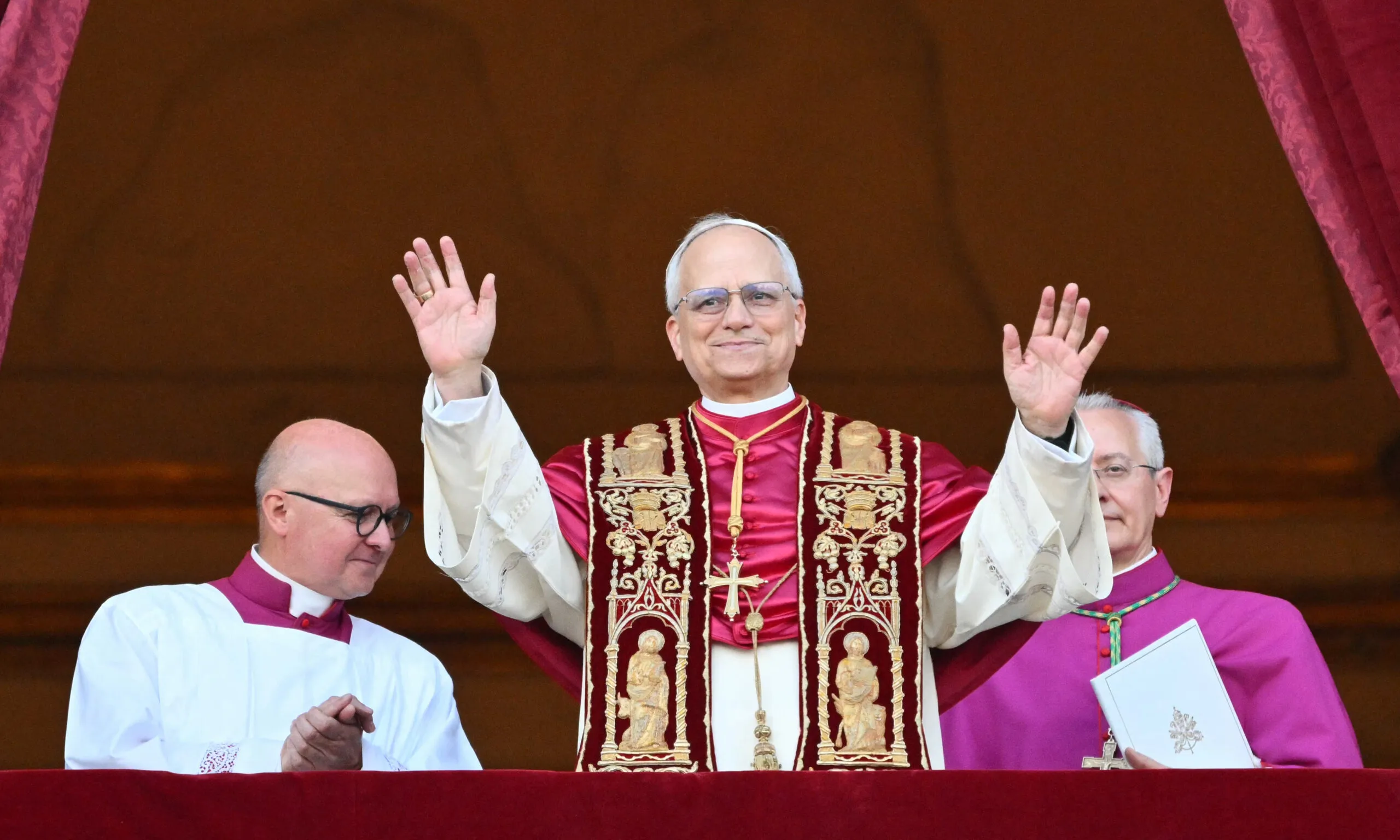
Another early signal is the cultivation of institutional confidence. Pope Leo XIV’s measured presence and disciplined communication suggest a leadership style comfortable with patience. The Vatican does not appear driven by the need to define itself quickly, indicating confidence in the Church’s enduring role.
This posture allows the papacy to engage global issues selectively, without pressure to establish immediate distinctions. Authority is built through consistency and reliability, reinforcing the Church’s position as a stable moral reference point rather than a reactive institution.
Preparing the Ground for Long-Term Direction
The transition from continuity to consolidation serves a strategic purpose. By first ensuring internal alignment, Pope Leo XIV lays the groundwork for long-term direction that can be sustained across years rather than months. This phase strengthens governance capacity before broader engagement unfolds.
Such preparation reflects institutional wisdom shaped by history. The Church’s influence has endured precisely because it values structure, timing, and discernment. The early signals of this papacy suggest an intention to honor that legacy while positioning the Vatican for future challenges.
Conclusion
The first signals of Pope Leo XIV’s papacy point to a leadership defined by consolidation, continuity, and institutional confidence. By reinforcing governance and alignment before pursuing new initiatives, the Vatican strengthens its foundation for long-term stability. This measured beginning reflects a papacy focused on endurance rather than immediacy.