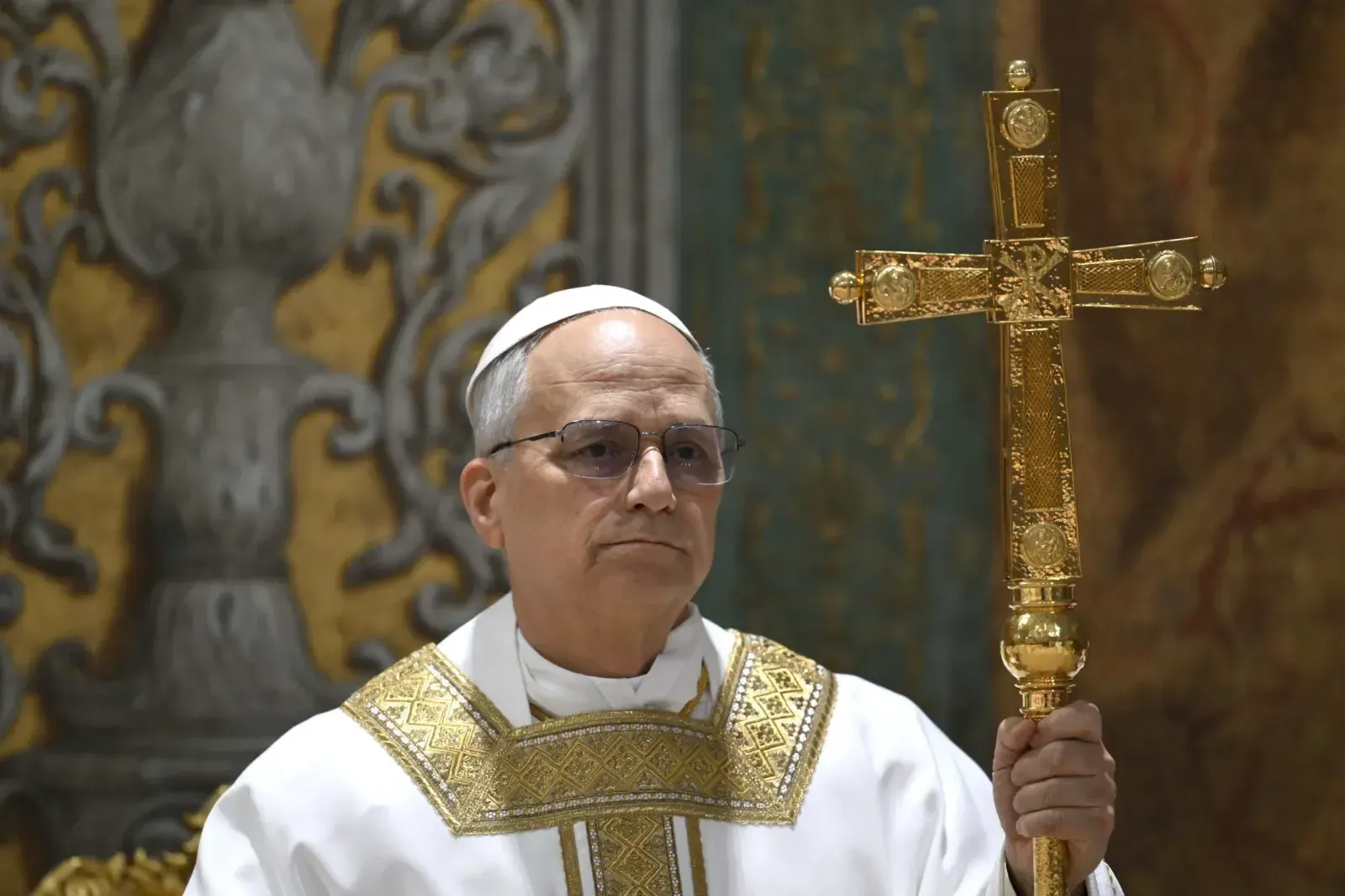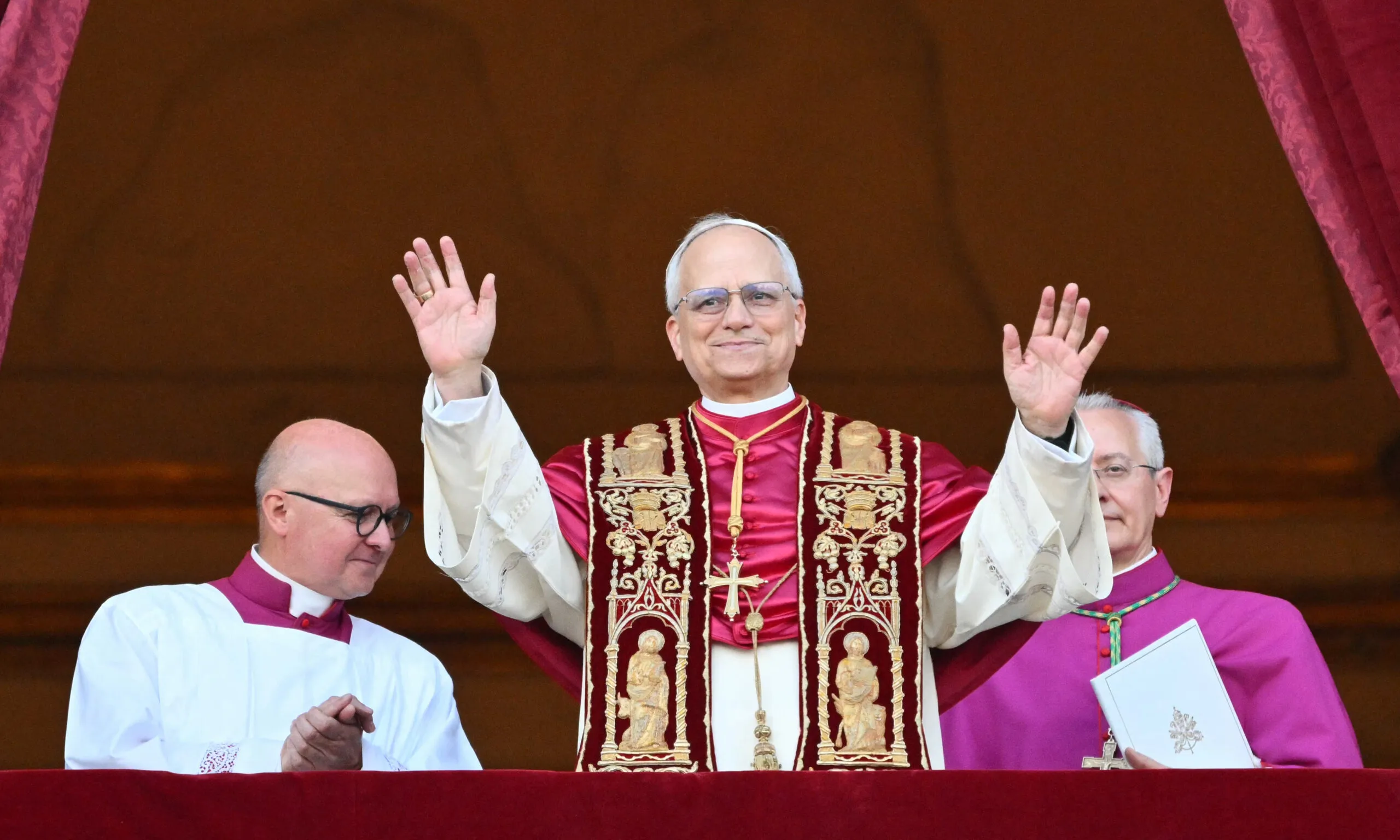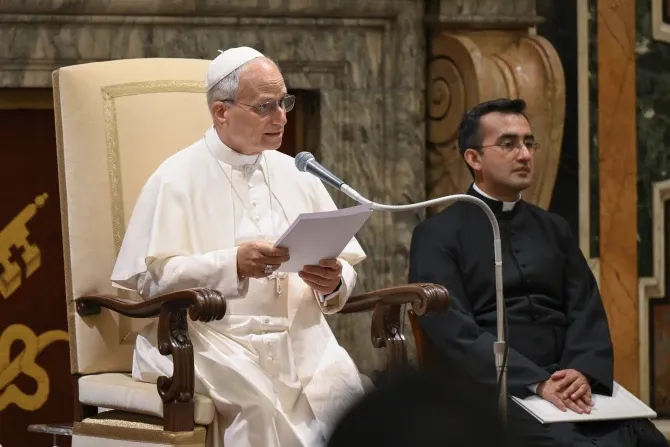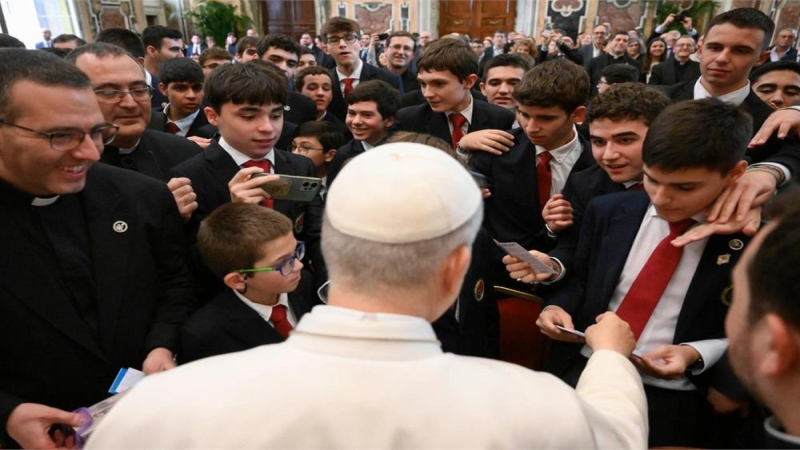


From Continuity to Course Correction: How Pope Leo XIV Is Reframing Vatican Leadership
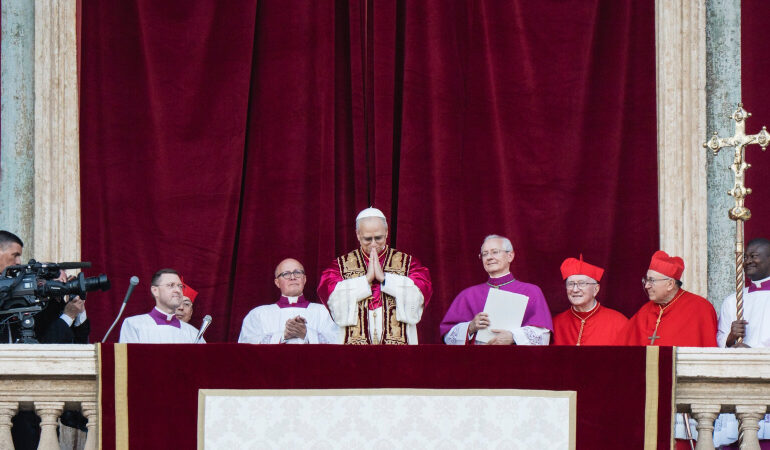

The transition to Pope Leo XIV has brought a sense of deliberate calm to Vatican leadership at a moment when many expected sharp change or dramatic signals. Instead, the new pope has chosen a path that balances continuity with subtle course correction. His leadership style suggests respect for existing institutional foundations while quietly adjusting how authority, consultation, and accountability function at the highest levels of the Church.
This approach reflects an awareness of the Vatican’s current reality. The Holy See operates in a world of legal scrutiny, geopolitical tension, and internal diversity that demands steadiness more than spectacle. Pope Leo XIV’s early actions indicate that reframing leadership does not always require dismantling what came before, but rather recalibrating priorities and expectations within established structures.
Redefining Leadership Without Breaking Continuity
The most striking feature of Pope Leo XIV’s leadership so far is his insistence that reform and continuity are not opposites. He has avoided framing his papacy as a departure from recent governance frameworks, instead emphasizing responsible stewardship of what already exists. This choice signals to Vatican officials and bishops worldwide that stability remains a central value.
By reinforcing procedural norms and decision making channels, the pope has strengthened the credibility of Vatican governance. His leadership reframing focuses on how authority is exercised rather than where it is located. This shift places greater weight on consultation, internal discipline, and clear lines of responsibility.
Such an approach reduces institutional anxiety during transition. It reassures Church leaders that reform will be measured and intentional, not reactive. In a global institution where abrupt shifts can echo across continents, this balance between continuity and adjustment carries significant weight.
A Subtle Shift in the Use of Papal Authority
Pope Leo XIV has shown restraint in the public exercise of papal authority, favoring quiet direction over visible intervention. Rather than issuing frequent high profile statements, he has allowed existing Vatican bodies to function with renewed clarity and purpose. This method reinforces collective responsibility while preserving the pope’s role as final arbiter.
This leadership style reflects a belief that authority gains strength when it is not overused. By stepping back in certain moments, the pope has encouraged senior officials to act decisively within their mandates. This recalibration promotes professionalism and reduces overdependence on personal papal involvement.
At the same time, the pope has made clear that accountability remains non negotiable. Authority may be shared in practice, but responsibility ultimately flows upward. This balance defines the course correction now taking shape within Vatican leadership culture.
Vatican Leadership as Institutional Witness
Another defining element of Pope Leo XIV’s reframing is his understanding of leadership as a form of witness. Administrative competence, transparency, and coherence are treated not as technical goals but as expressions of moral responsibility. In this view, how the Vatican governs itself speaks as loudly as its public teachings.
This perspective has influenced how internal challenges are addressed. Rather than public confrontation or symbolic gestures, emphasis has been placed on orderly processes and long term credibility. The pope appears committed to ensuring that leadership decisions strengthen trust both inside and outside the Church.
By aligning governance with moral integrity, Pope Leo XIV reinforces the idea that Vatican leadership must embody the values it proclaims. This alignment is particularly significant at a time when institutional credibility remains fragile in many parts of the world.
Course Correction Through Culture, Not Structure
Notably, Pope Leo XIV’s course correction has focused more on leadership culture than on structural overhaul. Existing frameworks remain largely intact, but expectations around conduct, cooperation, and responsibility are being reshaped. This approach recognizes that lasting reform often depends on behavior rather than organizational charts.
By encouraging collaboration over competition and service over status, the pope is gradually redefining how leadership is practiced within the Vatican. These cultural signals may take time to fully manifest, but they lay the groundwork for sustainable governance.
This strategy also minimizes disruption. Cultural change allows institutions to adapt organically while maintaining operational continuity, a crucial consideration for a global Church with diverse administrative realities.
Conclusion
Pope Leo XIV’s reframing of Vatican leadership reflects a careful blend of continuity and correction. By refining how authority is exercised, strengthening accountability, and reshaping leadership culture, he has set a steady course for governance without destabilizing the institution. This measured approach positions Vatican leadership to navigate modern challenges with greater coherence and credibility.