




Gaza Faces Deepening Hardship as Aid Blockages Leave Families Without Essentials
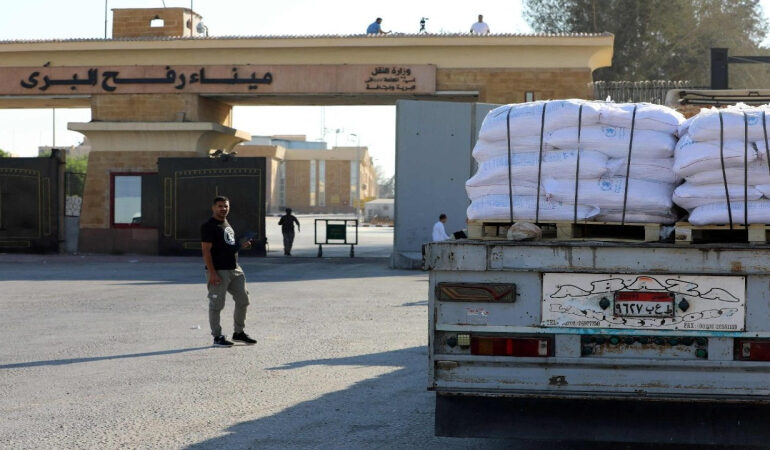

Daily life in Gaza continues to deteriorate as shortages of basic supplies push the population into deeper humanitarian distress. Officials have indicated that Israel is preparing to open the Rafah crossing to allow limited travel into Egypt for medical and essential purposes, a move described as part of efforts to show progress in ceasefire discussions. While the development could offer temporary relief for those requiring urgent treatment, it does not address the wider shortage of food, medicine and shelter materials that have left families exposed to harsh winter conditions. Many residents are living in makeshift structures that barely withstand rain and flooding, further compounding the strain on households already navigating months of displacement and limited access to clean water. The anticipated opening of the crossing has brought a measure of cautious hope, but humanitarian observers note that wider structural constraints continue to block meaningful improvement in daily living conditions.
International agencies have emphasized that large quantities of aid remain positioned outside Gaza, unable to enter due to restrictions that have persisted for months. According to United Nations officials, hundreds of thousands of essential items, including tents, blankets and winter clothing, are awaiting clearance. Many of the temporary shelters currently in use are worn out, providing little insulation against cold weather and exposing thousands of families to health risks. The United Nations Relief and Works Agency reports that nearly 1.5 million Palestinians face a critical humanitarian situation, with around 9,400 children suffering from acute malnutrition and a health system unable to handle the volume of patients. Water contamination, flooding and shortages of medicine have left communities increasingly vulnerable. As winter intensifies, aid groups warn that delays in delivering supplies could deepen the crisis further and place additional pressure on relief networks already pushed to their limits.
A new U.N. assessment has described Gaza’s situation as a human made abyss, offering a stark evaluation of the long term impact of conflict on social and economic stability. Damage to infrastructure, loss of livelihoods and the collapse of essential services have significantly weakened every pillar of survival for Gaza’s 2.3 million residents. The report estimates that rebuilding efforts could cost more than seventy billion dollars over several decades, reflecting the scale of destruction and the complexity of restoring functional living conditions. Economic indicators reveal that Gaza’s economy contracted by eighty seven percent across 2023 and 2024, bringing GDP per capita to one of the lowest levels globally. With travel restrictions, limited access to employment and ongoing uncertainty surrounding border crossings, recovery remains distant. As the region waits for concrete steps toward a lasting ceasefire, humanitarian advocates continue to urge that the immediate priority must be ensuring unobstructed access to life saving aid for civilians whose survival now depends on it.