
German Bishops Elect Bishop Heiner Wilmer as President Amid Ongoing Synodal Debate
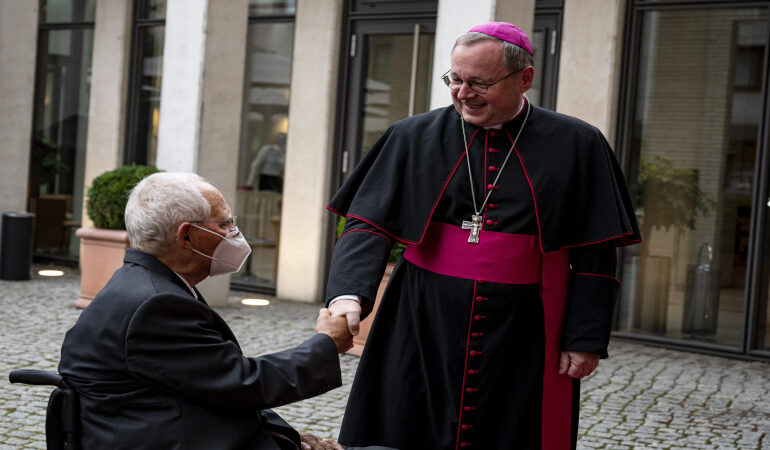

The German Bishops’ Conference has elected Bishop Heiner Wilmer of Hildesheim as its new president, marking a significant moment for the Catholic Church in Germany as debates surrounding the Synodal Way and church reform continue.
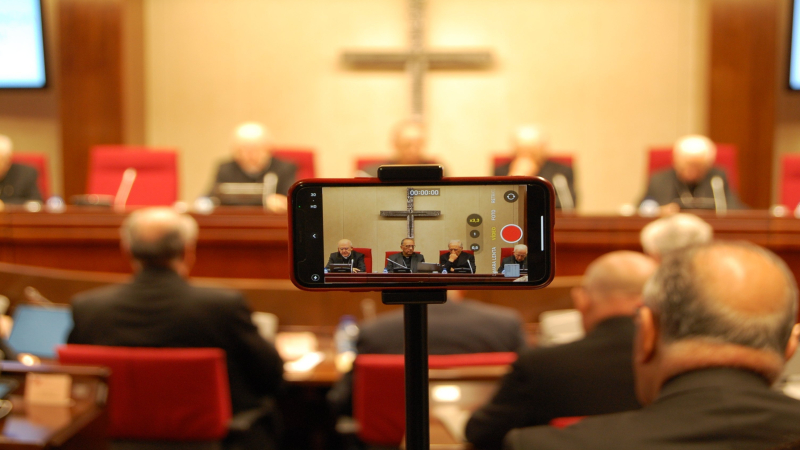
Bishop Wilmer was chosen during the conference’s spring plenary assembly held February 23 to 26 in Würzburg. He will serve a six year term, succeeding Bishop Georg Bätzing of Limburg, who opted not to seek reelection after leading the conference through a period of intense internal and global scrutiny.
In remarks following his election, Wilmer thanked his fellow bishops for their confidence and acknowledged the challenges faced by the Church in Germany. Addressing Catholics nationwide, he described them as the living face of the Church and emphasized faith as a source of strength that connects generations. He also referenced the global synodal process encouraged by Pope Francis and continued under Pope Leo XIV, highlighting listening, shared responsibility, and communal discernment as essential to the Church’s mission.
Wilmer has been a vocal supporter of Germany’s Synodal Way, a reform initiative launched in response to a 2018 abuse study that examined cases of clerical sexual abuse between 1946 and 2014. The process has proposed discussions on church governance, sexual morality, the role of women, and blessings for same sex couples. Some of these proposals have drawn concern from Vatican officials and bishops in other countries who fear potential divergence from universal Church teaching.
In previous public statements, Wilmer expressed openness to expanded pastoral accompaniment for LGBTQ Catholics and indicated support for continued theological discussion regarding women’s leadership and ministry. While the Vatican recently issued a synthesis from its Study Commission on the Female Diaconate that did not endorse ordination of women as deacons, Wilmer has said that he trusts in the guidance of the Holy Spirit as conversations develop at the global level.
The bishop also addressed the issue of sexual abuse, acknowledging the suffering of victims and stressing that their testimony must shape ongoing reform efforts. He said that listening and reliability are essential in rebuilding trust and protecting human dignity.
Wilmer was ordained a priest of the Congregation of the Sacred Heart in 1987 and later served in leadership roles within his religious order before being appointed bishop of Hildesheim in 2018. His earlier comments on structural issues within the Church sparked debate, including responses from other German bishops who challenged his characterization of abuse as rooted in the Church’s institutional culture.
Observers note that his presidency will unfold within a broader context of dialogue between the German bishops and the Holy See. Pope Francis previously cautioned against ideological influences within ecclesial processes, while encouraging authentic synodality grounded in communion with the universal Church.